

BoschHC5026
When a structural engineer specifies M12 or M16 anchor bolts for a critical connection — a steel column base plate, a bridge bearing, a crane rail — the hole must be drilled deep...
Read reviewCategory guide
When a structural engineer specifies M12 or M16 anchor bolts for a critical connection — a steel column base plate, a bridge bearing, a crane rail — the hole must be drilled deep...
Read review
For the professional who drills hundreds of 10 mm holes into concrete every week — the electrician fixing cable tray supports, the plumber mounting pipe clips, the builder...
Read review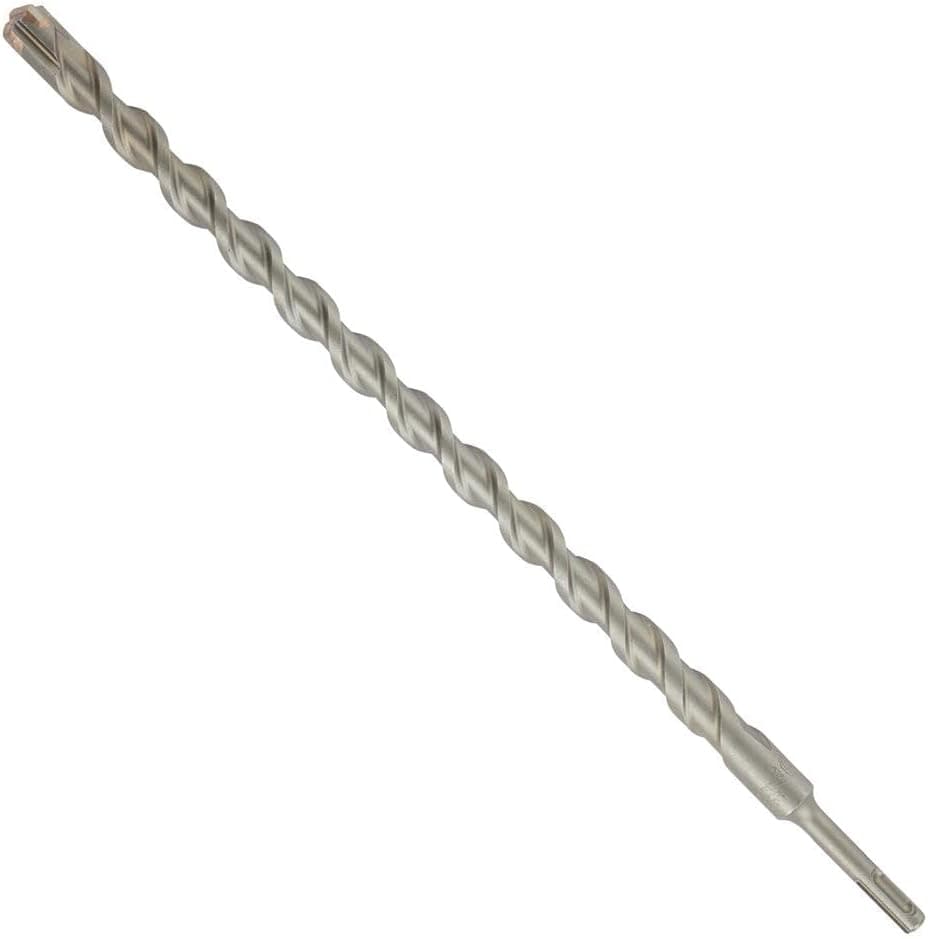
When an M16 anchor needs to go deep — through a thick foundation slab, past the reinforcement layer, and well into the structural concrete below — a standard-length drill bit...
Read review
When you need a 45 mm hole through a reinforced concrete wall and a solid drill bit would take forever to grind through that much material, a core bit is the answer. Unlike a...
Read review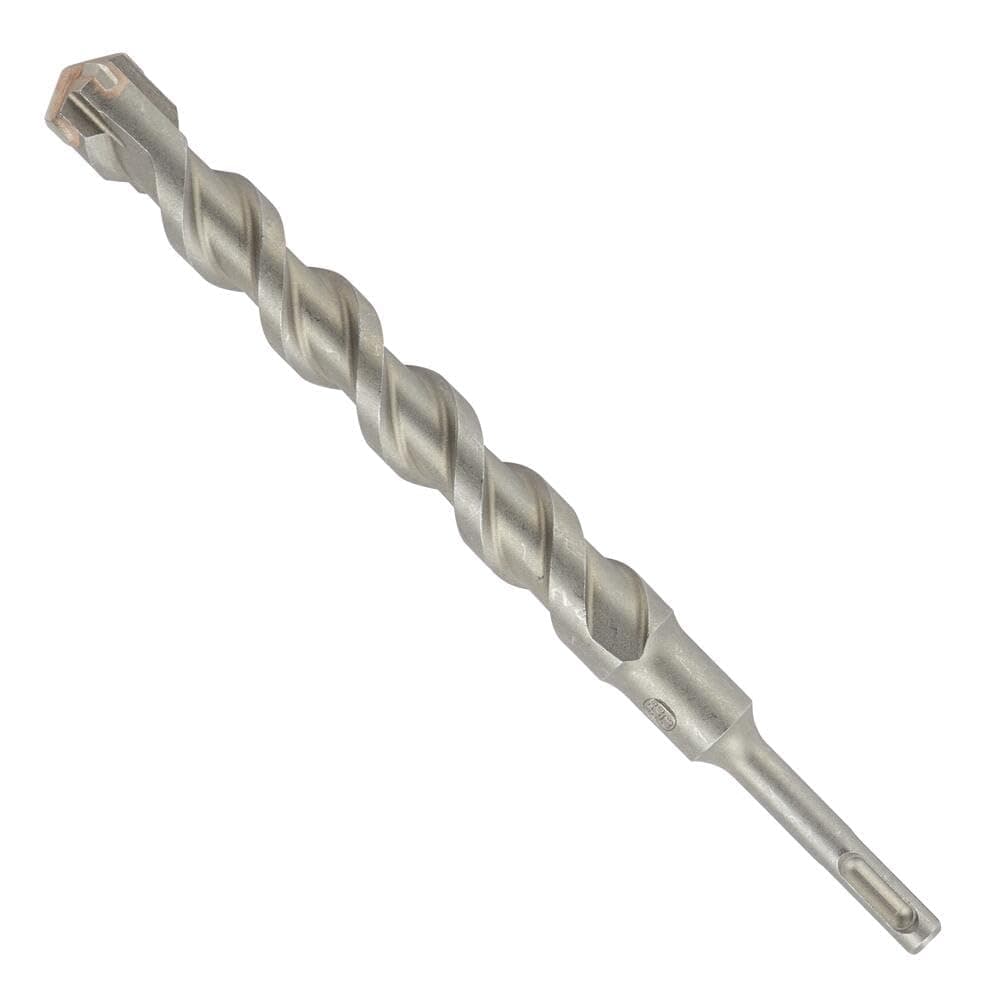
Drilling into reinforced concrete is one of the most punishing things you can ask a drill bit to do. The bit has to cut through a matrix of cement, sand, and stone aggregate — and...
Read review
Drilling into concrete, brick, or stone is not like making a hole in wood or plasterboard. Standard twist bits blunt almost instantly against masonry, leaving you with nothing but...
Read review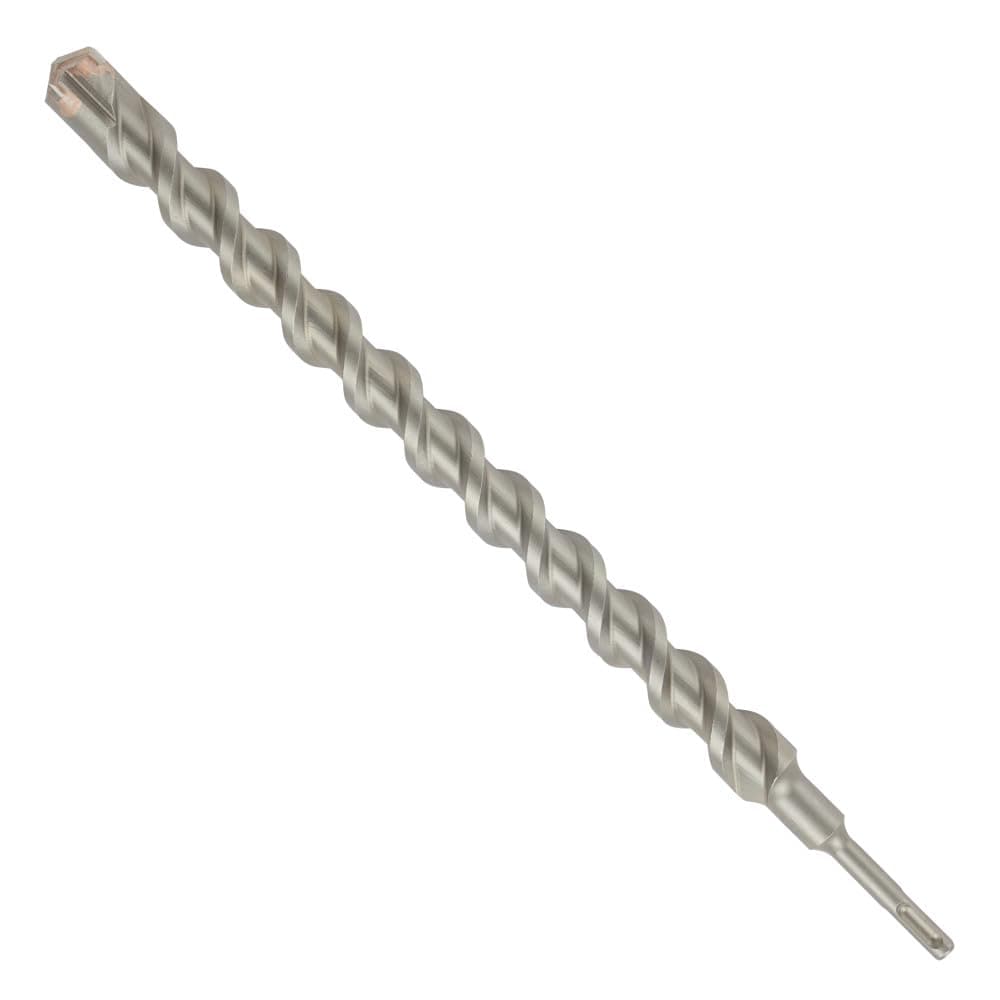
When a rotary hammer bit encounters rebar embedded in concrete, the outcome depends almost entirely on the bit's head geometry. A standard 2-cutter bit strikes the steel with one...
Read review
Not every hole drilled into concrete needs to penetrate 30 cm through a structural slab. A huge proportion of professional fixing work — mounting electrical back boxes, installing...
Read review
On a busy construction site, rotary hammer bits are treated as consumables — and rightly so. Even the best carbide edges wear down after drilling through enough concrete, and bits...
Read review
Drilling into concrete, brick, or stone is a completely different challenge from boring through wood or metal. Standard twist bits simply cannot handle the hardness and...
Read review
For the professional contractor, maintenance team, or facility manager whose work involves drilling hundreds or thousands of small-diameter holes in concrete and masonry every...
Read review
When a construction project specifies holes through structural concrete that are too large for SDS-Plus and too deep for a core drill, the tooling steps up to the spline-shank...
Read reviewDrill bits are consumables, not heirlooms. In a professional setting — on a construction site, in a busy fabrication shop, or across a maintenance team servicing multiple...
Read review
For professional contractors whose daily work involves anchoring, fixing, and penetrating concrete, SDS-plus bits in the 16 mm range are essential. This diameter handles M12 and...
Read review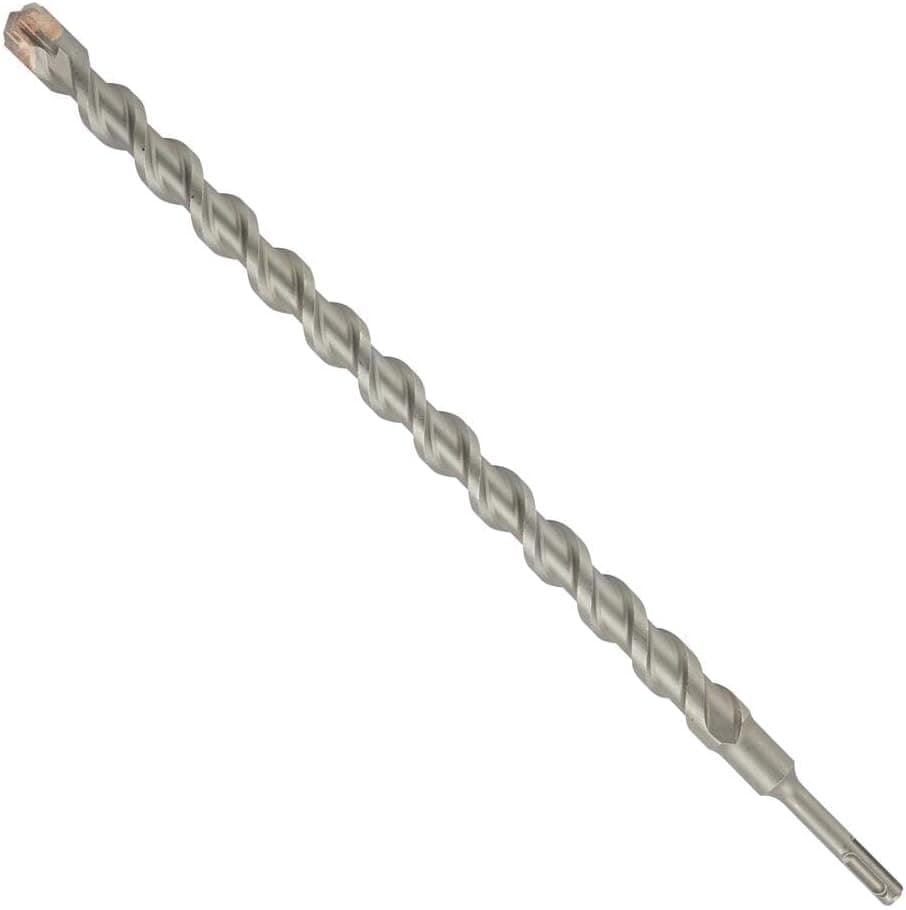
Drilling through reinforced concrete is the hardest test for any masonry bit. The moment the carbide tip contacts a steel reinforcing bar, most bits do one of two things: they...
Read reviewThe 16 mm anchor hole occupies a sweet spot in construction fixing: small enough to drill quickly through standard concrete, large enough to provide serious holding strength for...
Read review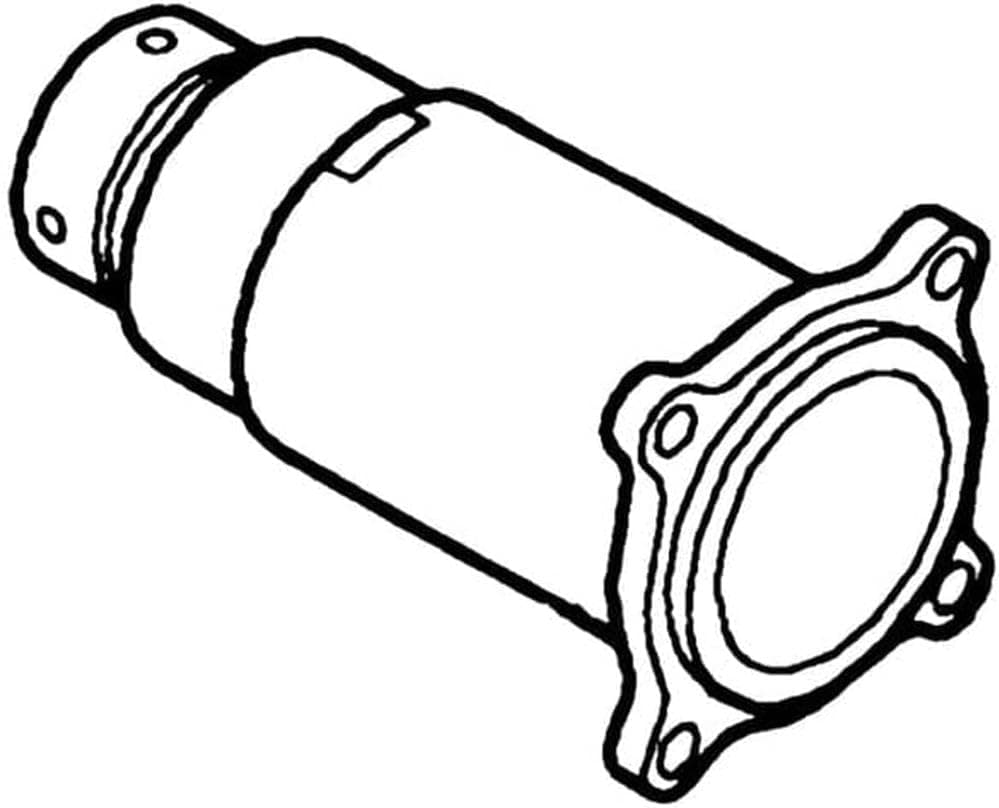
Heavy-duty power tools earn their keep through years of hard use on construction sites, but even the best-built machines eventually need parts replaced. When a rotary hammer or...
Read review
A demolition hammer in the 30-kilogram class — the kind used to break reinforced concrete foundations, dismantle structural walls, and trench through rock — generates forces that...
Read review