
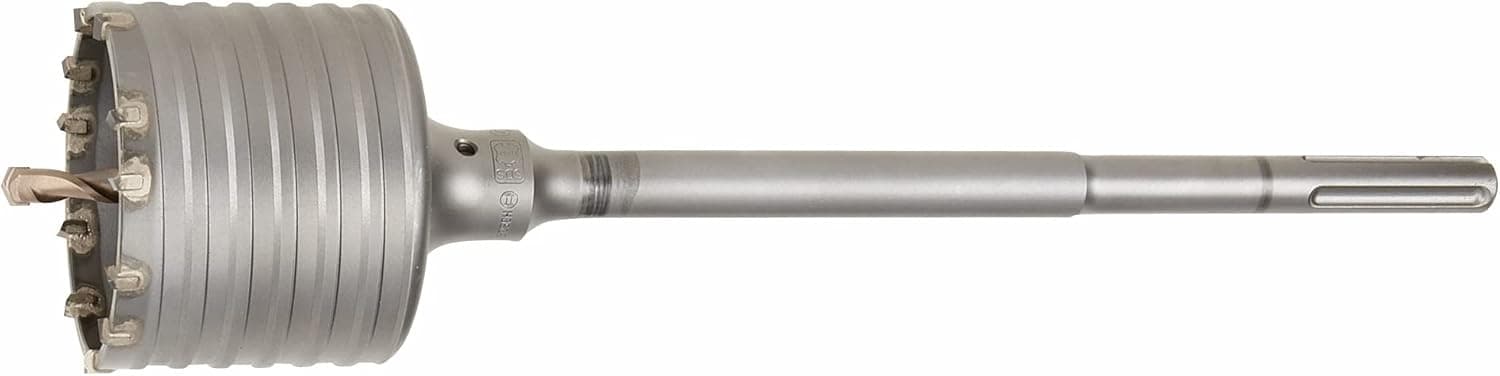
BoschHC8555
Dirigiendo un conducto de ventilación de 100 mm a través de una pared de hormigón armado, creando un paso adelante para la tubería de fontanería en una fundación, o perforando un...
Leer reseñaGuía de categoría
Dirigiendo un conducto de ventilación de 100 mm a través de una pared de hormigón armado, creando un paso adelante para la tubería de fontanería en una fundación, o perforando un...
Leer reseña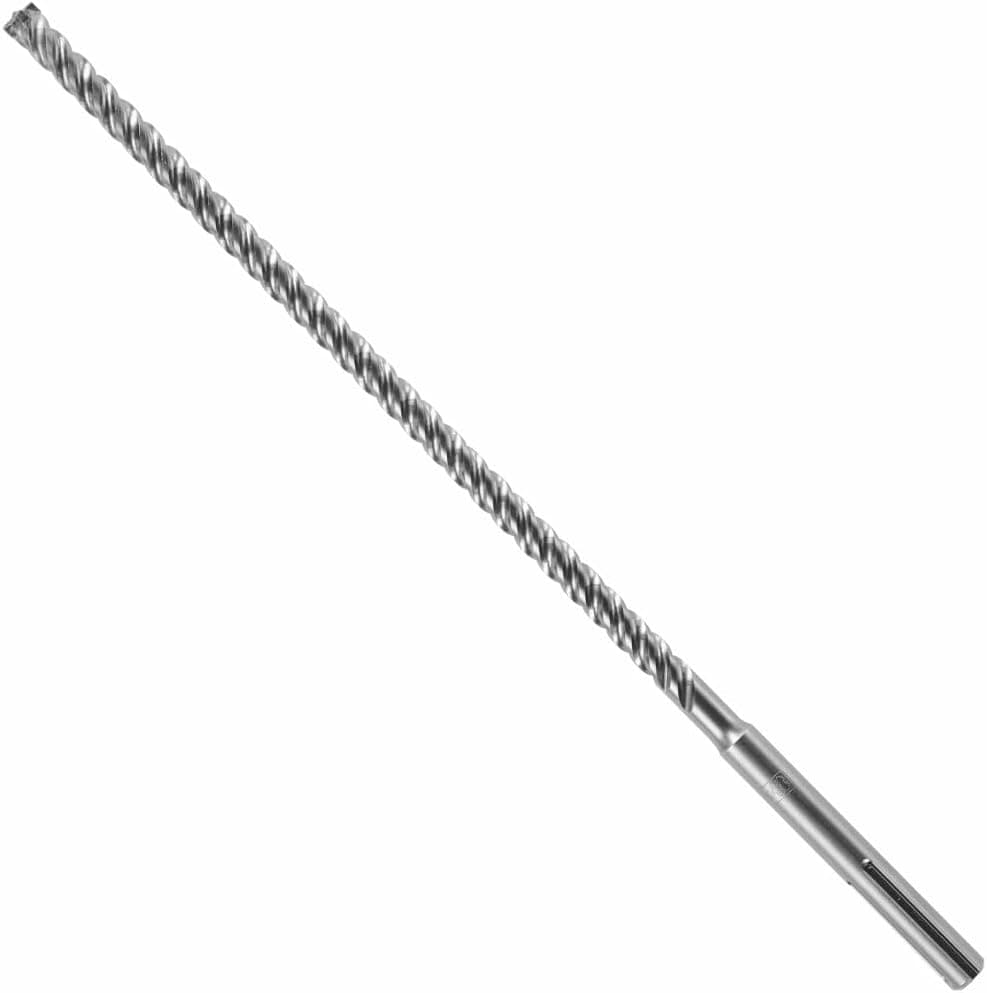
Perforar en hormigón plano es directo. Perforar en hormigón armado —el tipo que se encuentra en prácticamente todos los elementos estructurales construidos en el siglo pasado— es...
Leer reseña
Cuando un fragmento estándar SDS-plus alcanza su límite de alrededor de 16 o 20 mm de diámetro, y el trabajo requiere un agujero de 22 mm a través de hormigón armado — para un...
Leer reseña
Cuando usted necesita perforar un agujero de 51 mm de diámetro a través de una pared de hormigón sólido, un pedazo de perforación de giro estándar no es una opción — las fuerzas...
Leer reseña
Hay un punto donde SDS-Plus alcanza su límite y el trabajo exige el paso hasta SDS-Max. Cuando estás perforando 25 milímetros y agujeros más grandes para anclajes estructurales...
Leer reseña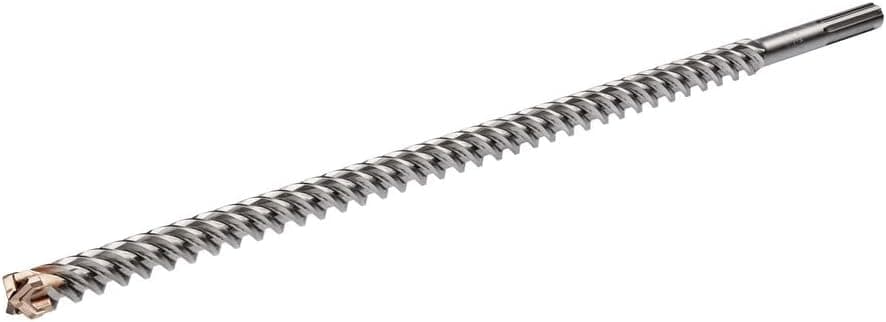
Cuando la longitud estándar salta hacia abajo antes de llegar al lado lejano de una gruesa pared de fundición, columna estructural o construcción de mampostería multicapa, un bit...
Leer reseña
Cuando el diámetro del agujero sube más de 30 mm, más allá del alcance de cualquier sistema SDS-plus, usted está firmemente en territorio SDS-max. Un agujero de 35 mm a través de...
Leer reseña
Cuando un fragmento estándar de perforación SDS-plus supera alrededor de 16 mm y el trabajo exige un agujero limpio y recto a través de hormigón armado para pernos anclados,...
Leer reseña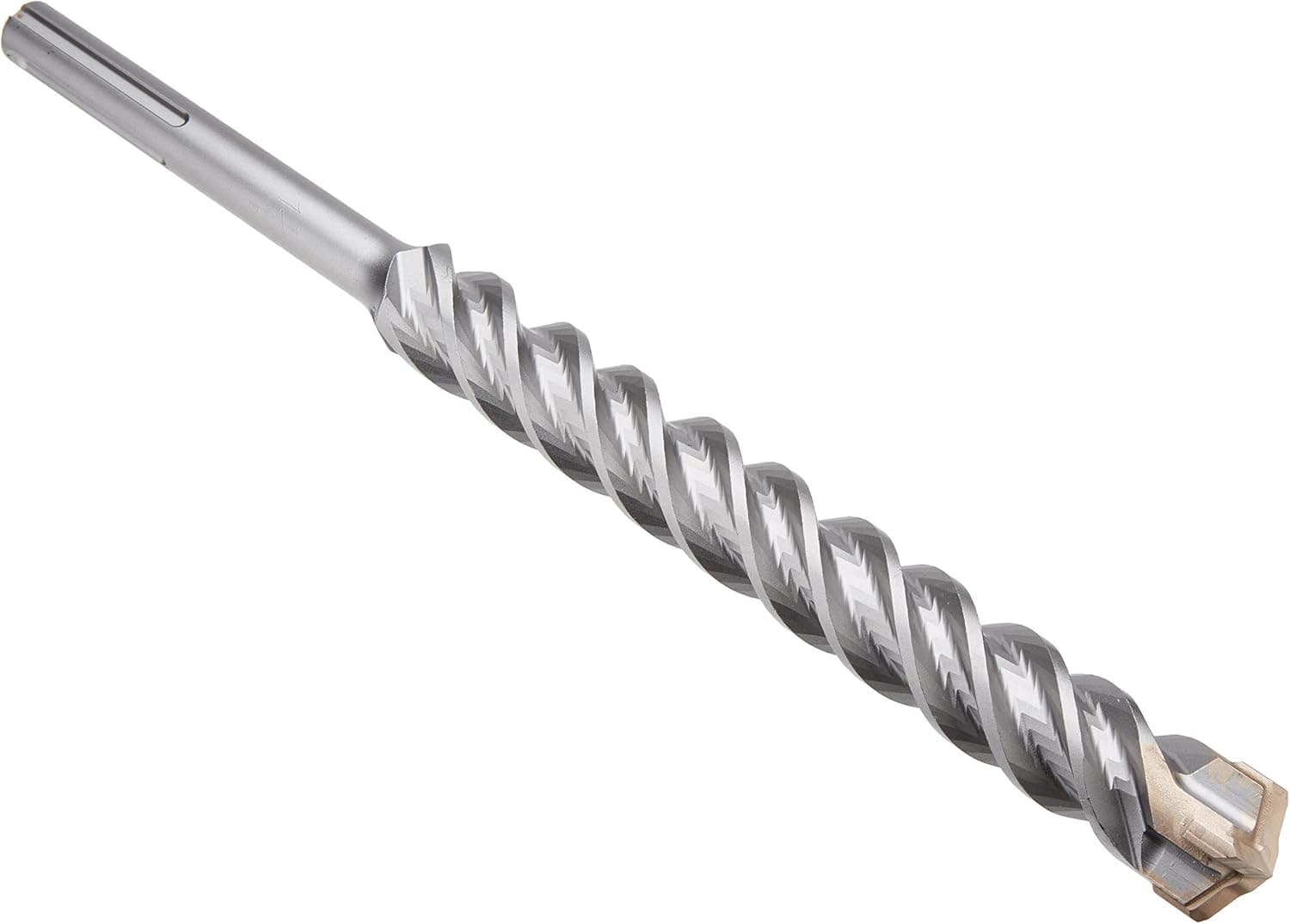
Cuando el trabajo requiere perforación en hormigón armado, piedra sólida, o mampostería densa, un fragmento de perforación estándar simplemente no hará. Necesitas algo construido...
Leer reseña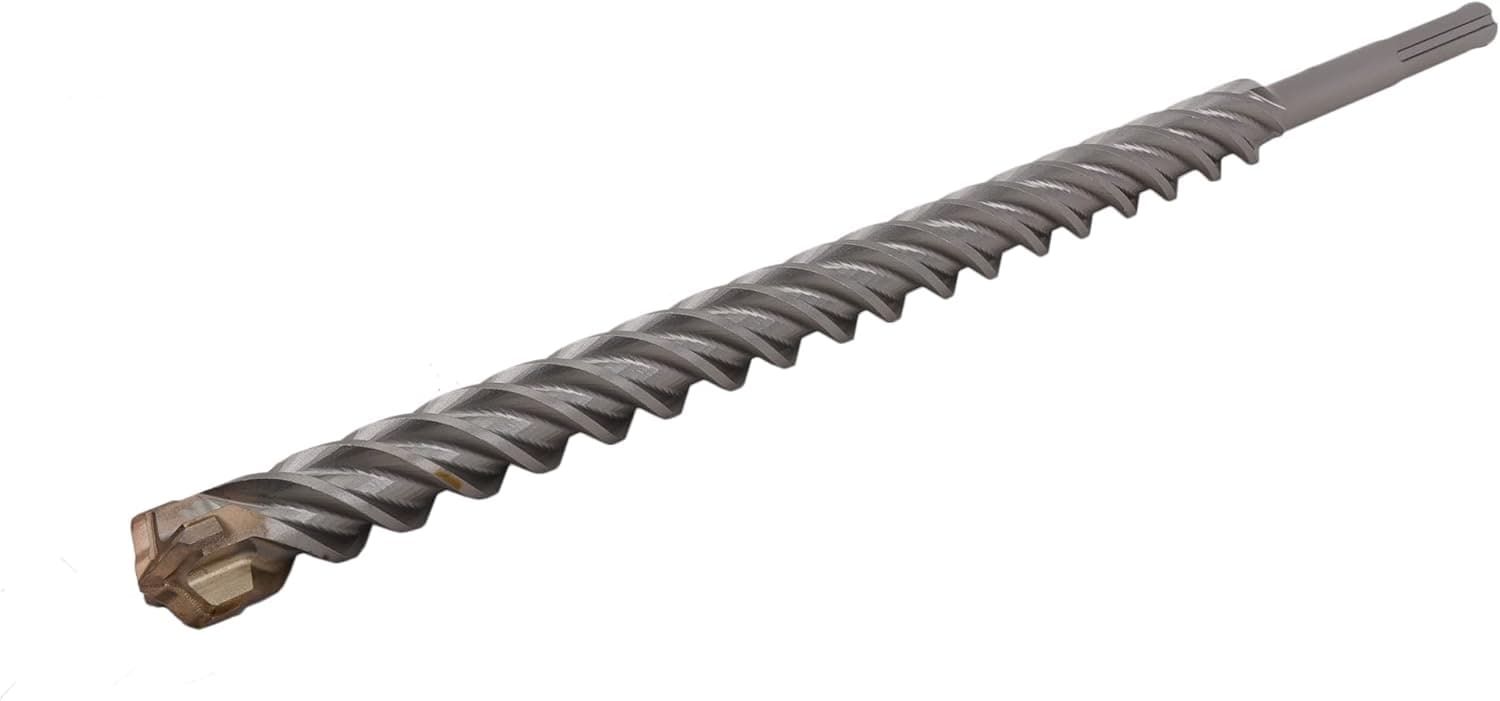
Algunos agujeros de anclaje deben ir profundos, a través de losas de base gruesas, debajo de múltiples capas de hormigón y aislamiento, o a través de rayos estructurales donde el...
Leer reseña
Cuando usted está anclando el acero estructural, instalando maquinaria pesada, o atornillando los sistemas de estanterías, un bit SDS-Plus estándar sólo lo conseguirá hasta ahora....
Leer reseña
Algunos agujeros necesitan ir profundo. Cuando usted está anclando en una base de hormigón que es medio metro de espesor, perforando a través de una pared de retención para...
Leer reseña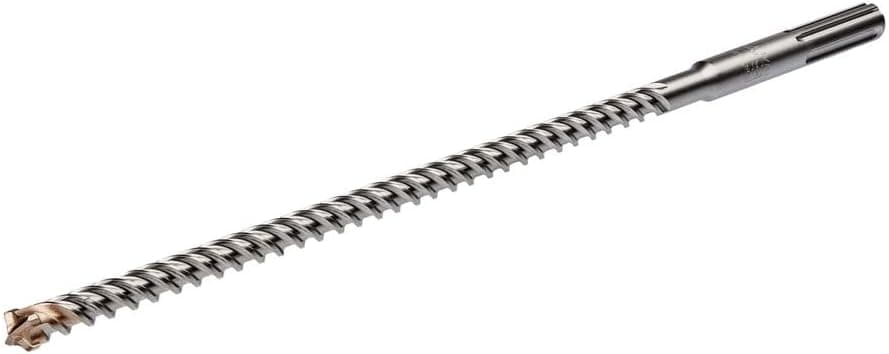
La mayoría de los agujeros perforados en la mampostería son superficiales: 30 a 80 milímetros para un tapón de pared, un perno de anclaje o un clip de tubo. Pero ocasionalmente,...
Leer reseña
Para perforar agujeros de diámetro medio en hormigón — pernos de anclaje para fijación estructural, agujeros para varilla roscada, y penetraciones para tubos y conductos más...
Leer reseña
Cuando un pedazo de martillo giratorio SDS-Plus estándar alcanza su límite de diámetro, alrededor de 25 mm a 28 mm en hormigón, y el trabajo exige un agujero más grande para...
Leer reseña
Cuando un ingeniero estructural especifica los tornillos de ancla M12 o M16 para una conexión crítica —una placa base de columna de acero, un cojinete de puente, un carril de grúa...
Leer reseña
Perforar en hormigón, ladrillo o piedra es un desafío completamente diferente de aburrido a través de madera o metal. Las mordeduras de torsión estándar simplemente no pueden...
Leer reseña