
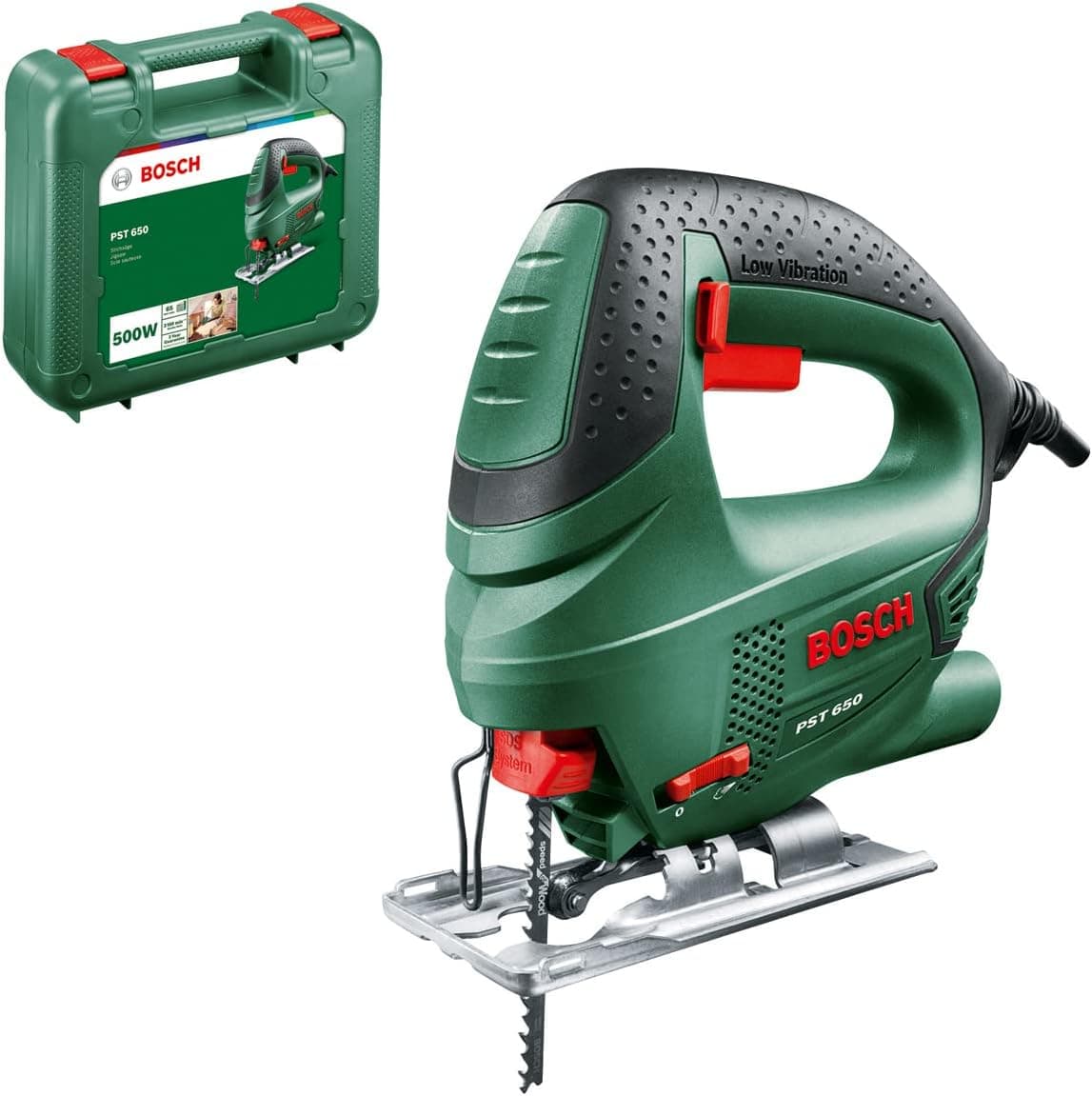
Bosch06033A0700
Eine gerade Linie zu schneiden ist, was Kreissägen und Handsägen am besten tun. Aber in dem Moment, in dem Ihr Schnitt muss sich kurven, drehen Sie eine Ecke, oder folgen Sie...
Testbericht lesenKategorie-Guide
Eine gerade Linie zu schneiden ist, was Kreissägen und Handsägen am besten tun. Aber in dem Moment, in dem Ihr Schnitt muss sich kurven, drehen Sie eine Ecke, oder folgen Sie...
Testbericht lesen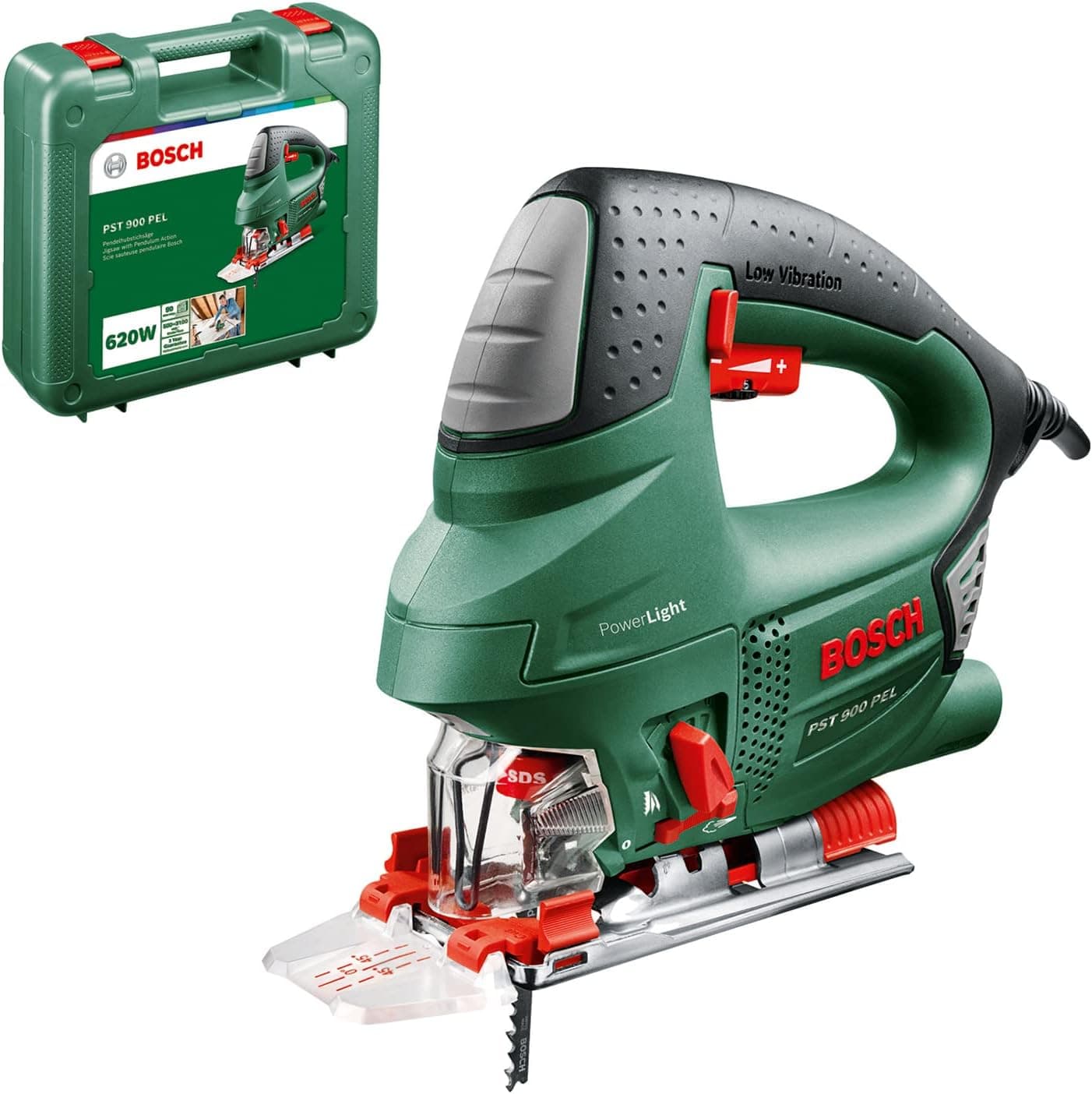
Gerade Linien sind einfach – jede Kreissäge oder Handsäge kann einen geraden Schnitt verwalten. Der eigentliche Test einer Säge ist, was passiert, wenn die Linienkurven. Schneiden...
Testbericht lesen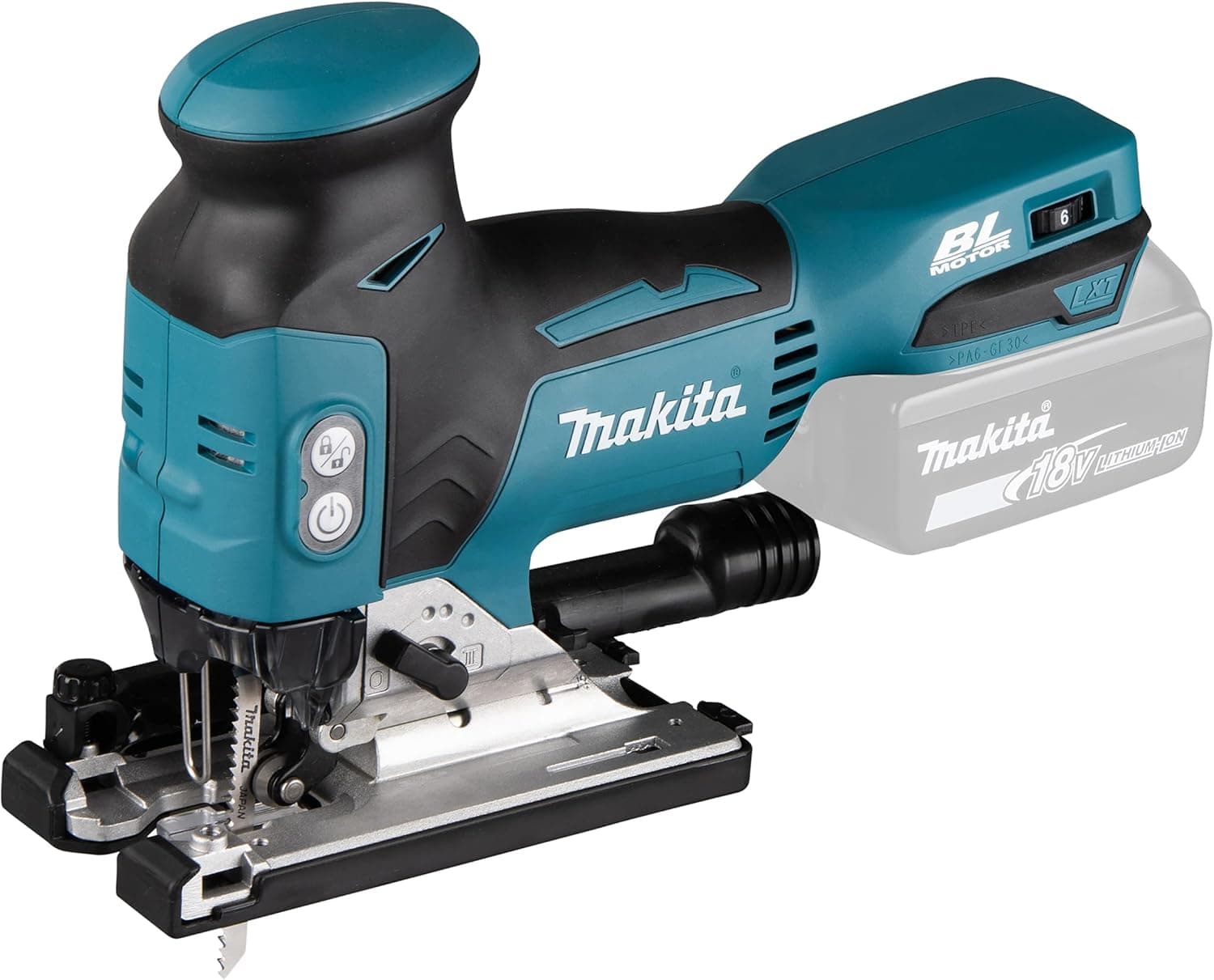
Es gibt eine besondere Zufriedenheit beim Schneiden einer glatten, sauberen Kurve durch Holz — nach einer Bleistiftlinie freehand und beobachten die Klinge die Form, die Sie in...
Testbericht lesen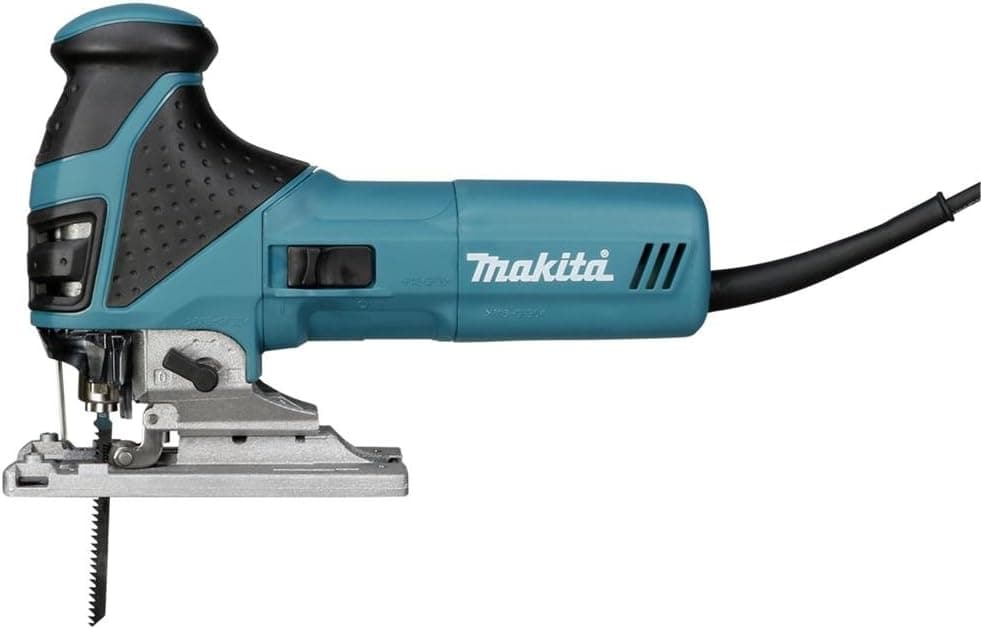
Wenn das Schneiden Ihre Lebensgrundlage ist – ob Sie ein Küchen-Teppich produzieren Arbeitsplatten-Gelenke, die perfekt erfüllen müssen, ein Schreiner schneiden komplexe...
Testbericht lesen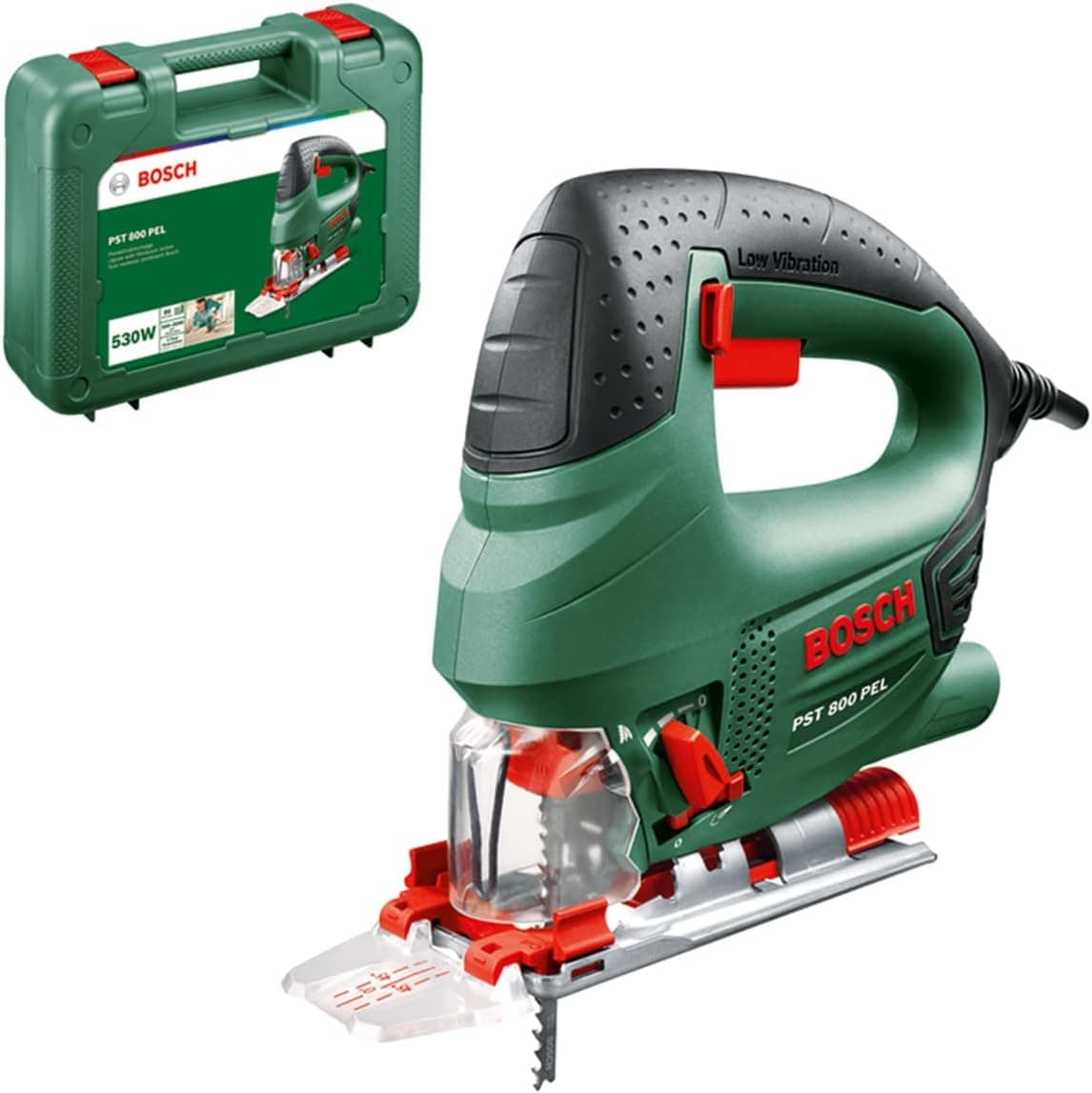
Schnittkurven in Holz, Metall oder Kunststoff ist eine dieser Aufgaben, die schnell die Grenzen Ihrer Werkzeugsammlung erkennen. Eine Kreissäge fliegt durch gerade Linien, kann...
Testbericht lesen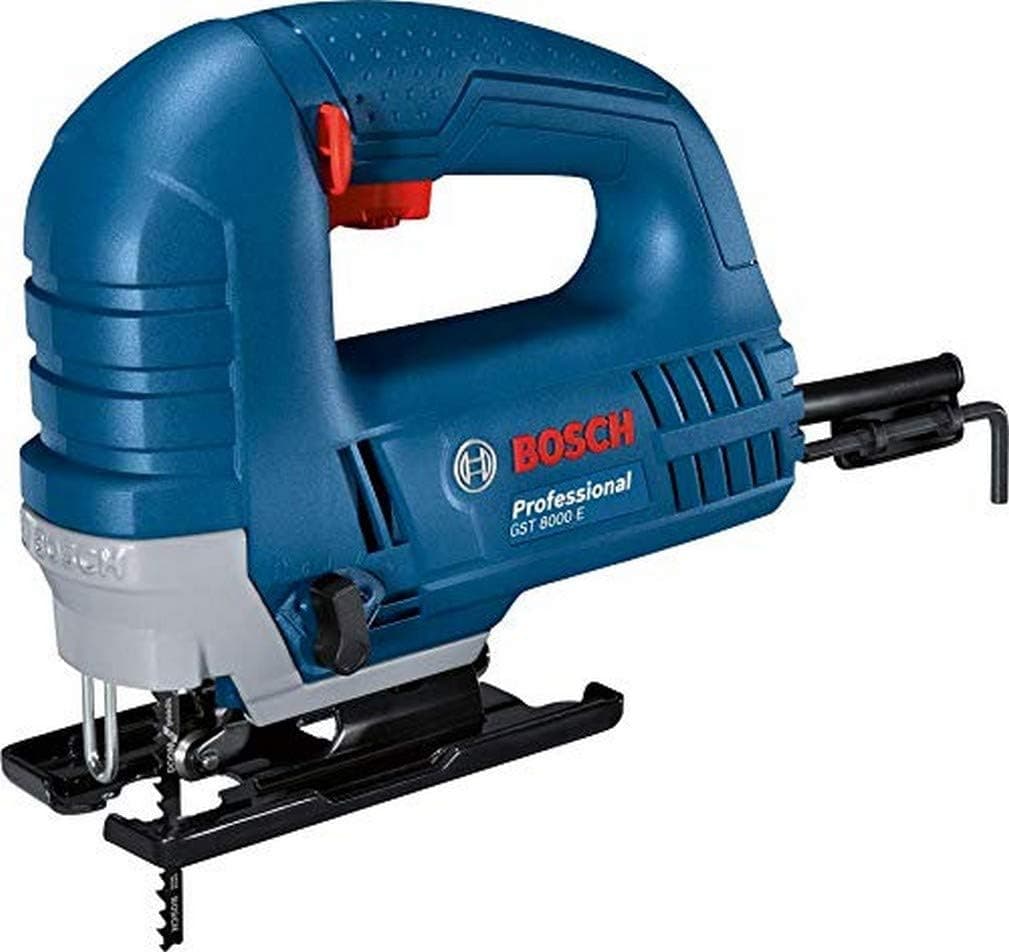
Gerade Linien sind einfach – jede Säge mit einem Zaun oder einer stabilen Hand kann eine saubere Kante entlang des Korns schneiden. Es ist, wenn die Linie beginnt zu kurven, dass...
Testbericht lesen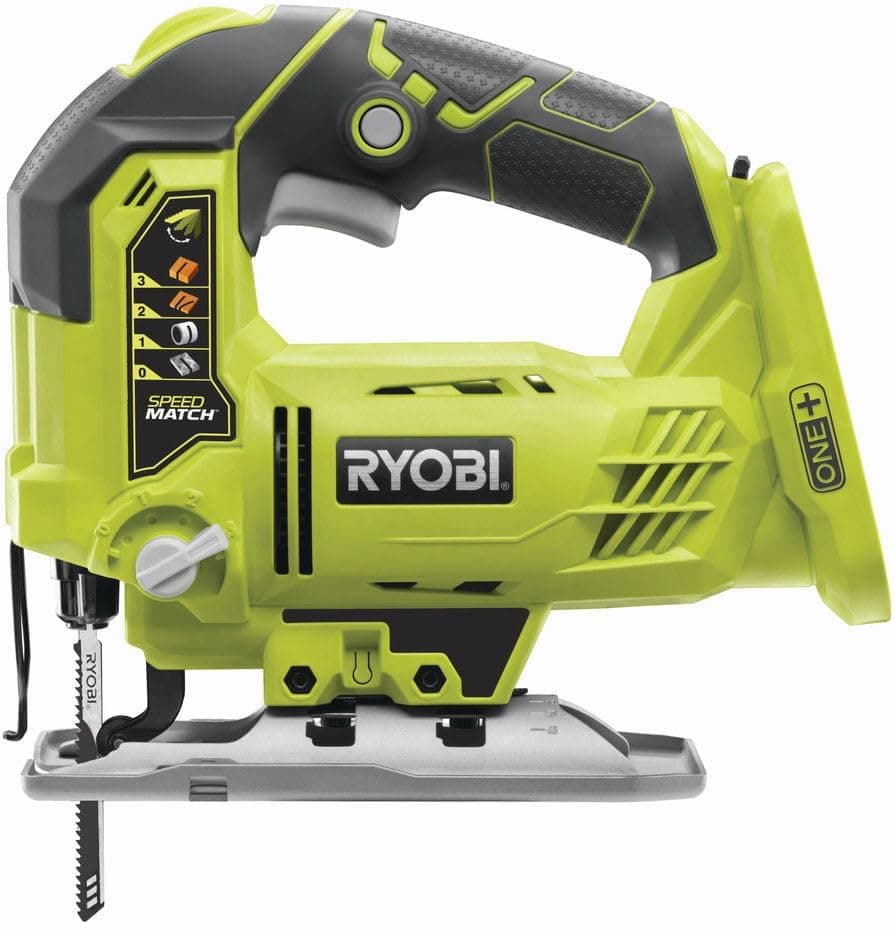
Schneidkurven, Tauch-Schneidarbeitsplatten für Spülöffnungen oder Schneiden durch Bleche mit nichts als eine Kreissäge kann sich wie mit einem Schlittenhammer fühlen, um eine...
Testbericht lesen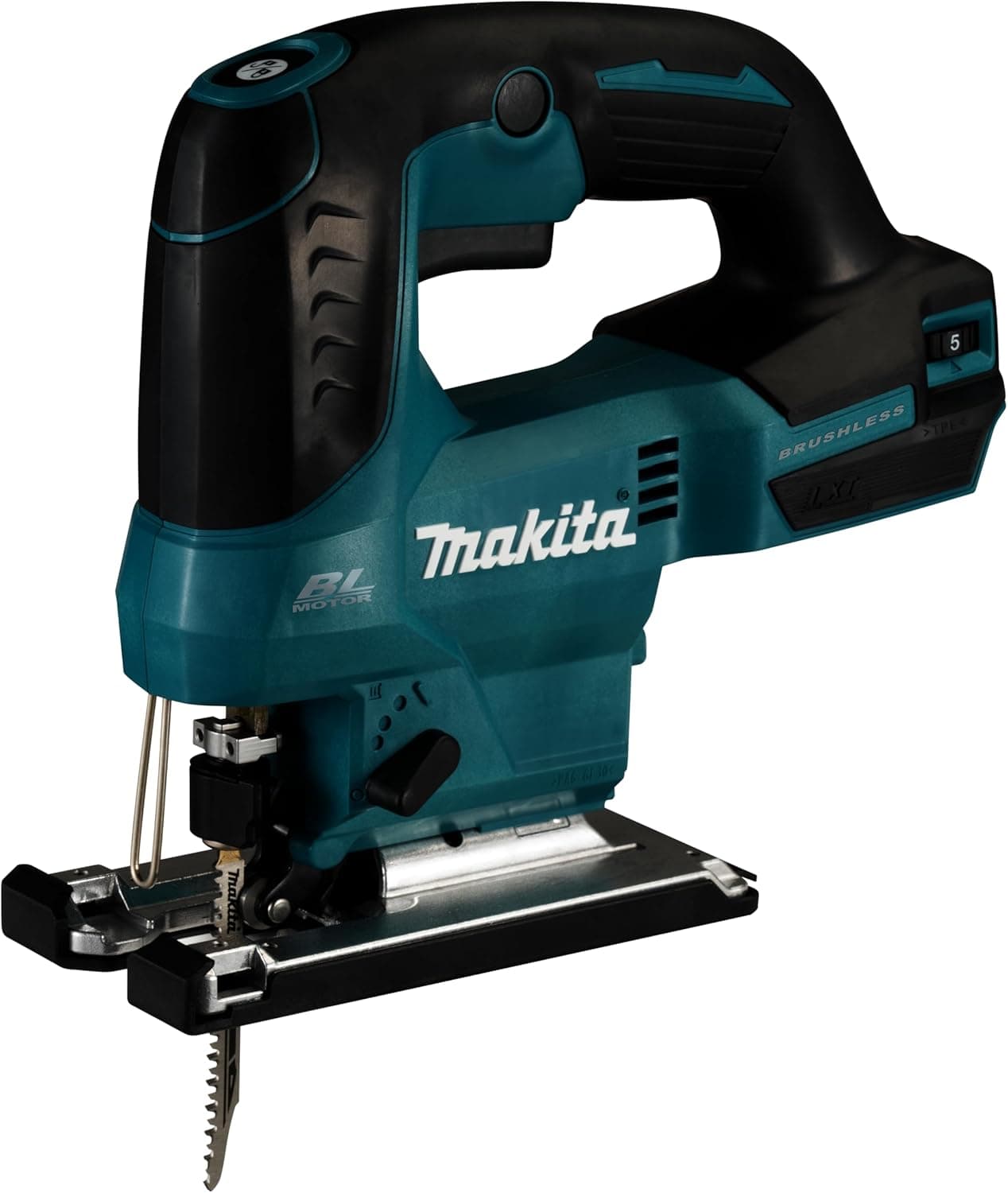
Eine gerade Linie zu schneiden ist, was Kreissägen und Tischsägen am besten tun. Aber in dem Moment, in dem ein Projekt eine Kurve verlangt — ein Spülenausschnitt in einer...
Testbericht lesen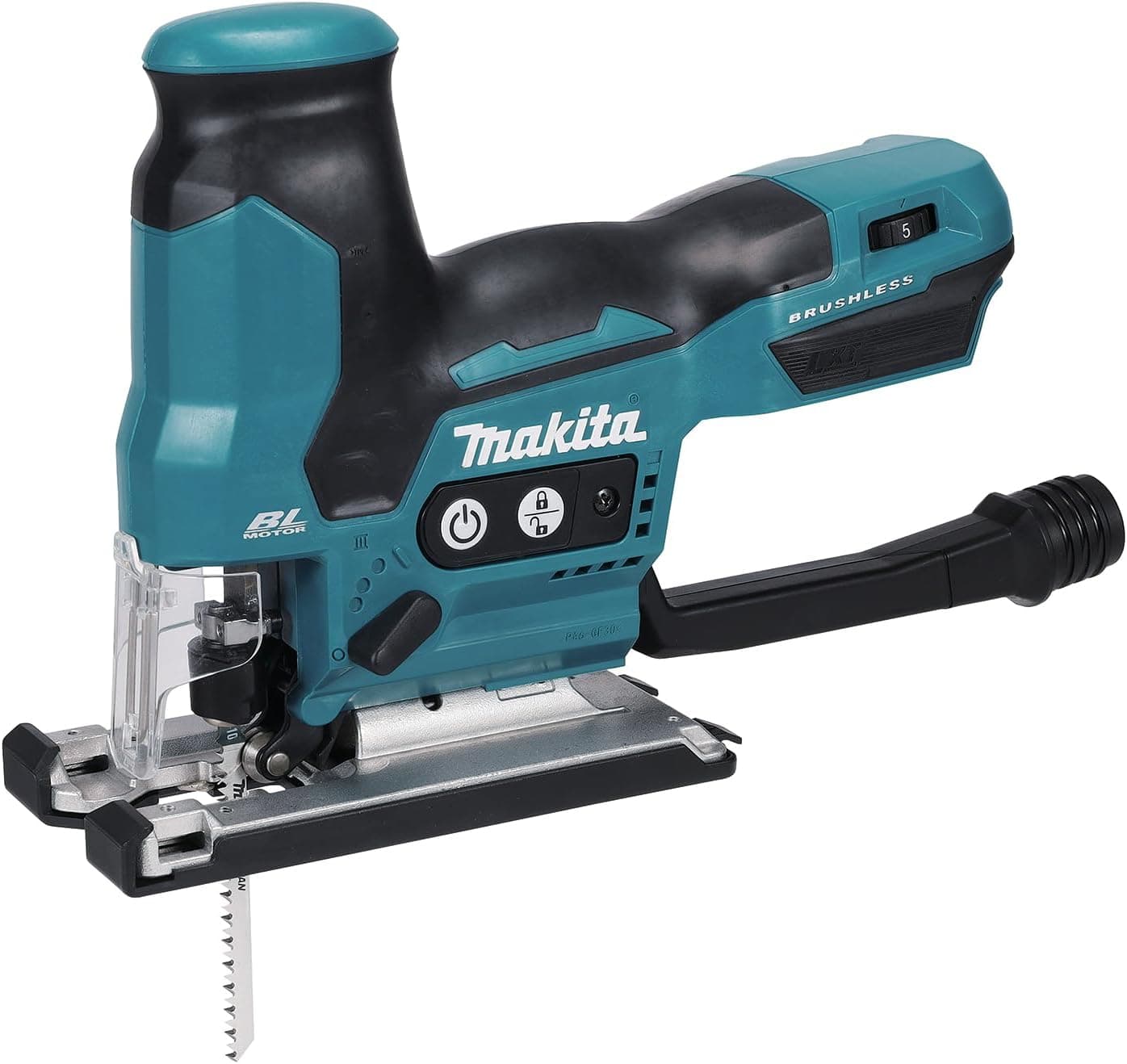
Eine gerade Linie entlang eines markierten Pfades zu schneiden ist, was Kreissägen und Tischsägen am besten tun. Aber in dem Moment, in dem Sie eine Kurve folgen müssen – ein...
Testbericht lesen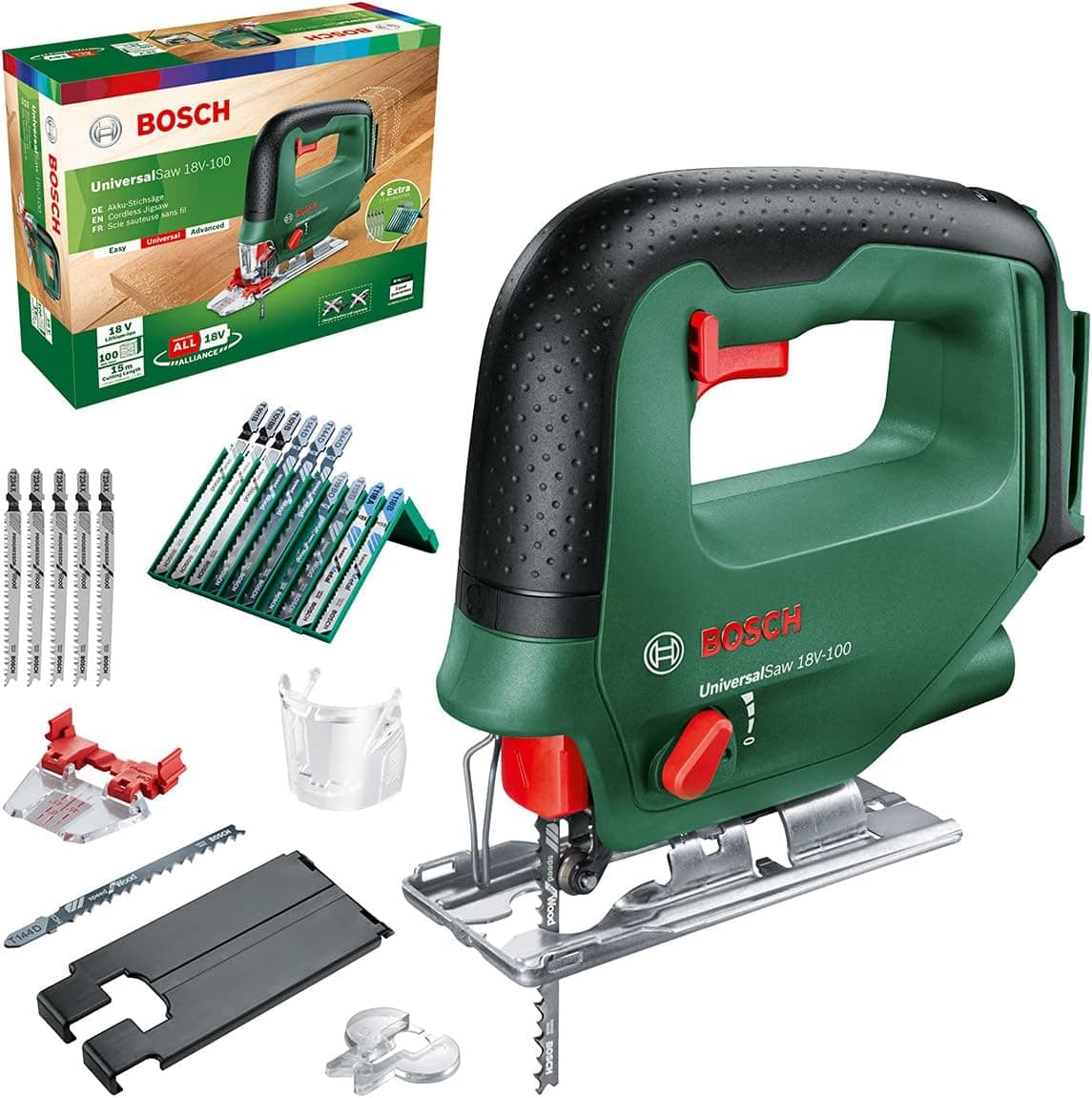
Eine Kreissäge schneidet gerade, eine Handsäge schneidet langsam, aber weder kann eine Kurve folgen — und viel von dem, was wir bauen, beinhaltet Kurven, von gewölbten Türen und...
Testbericht lesen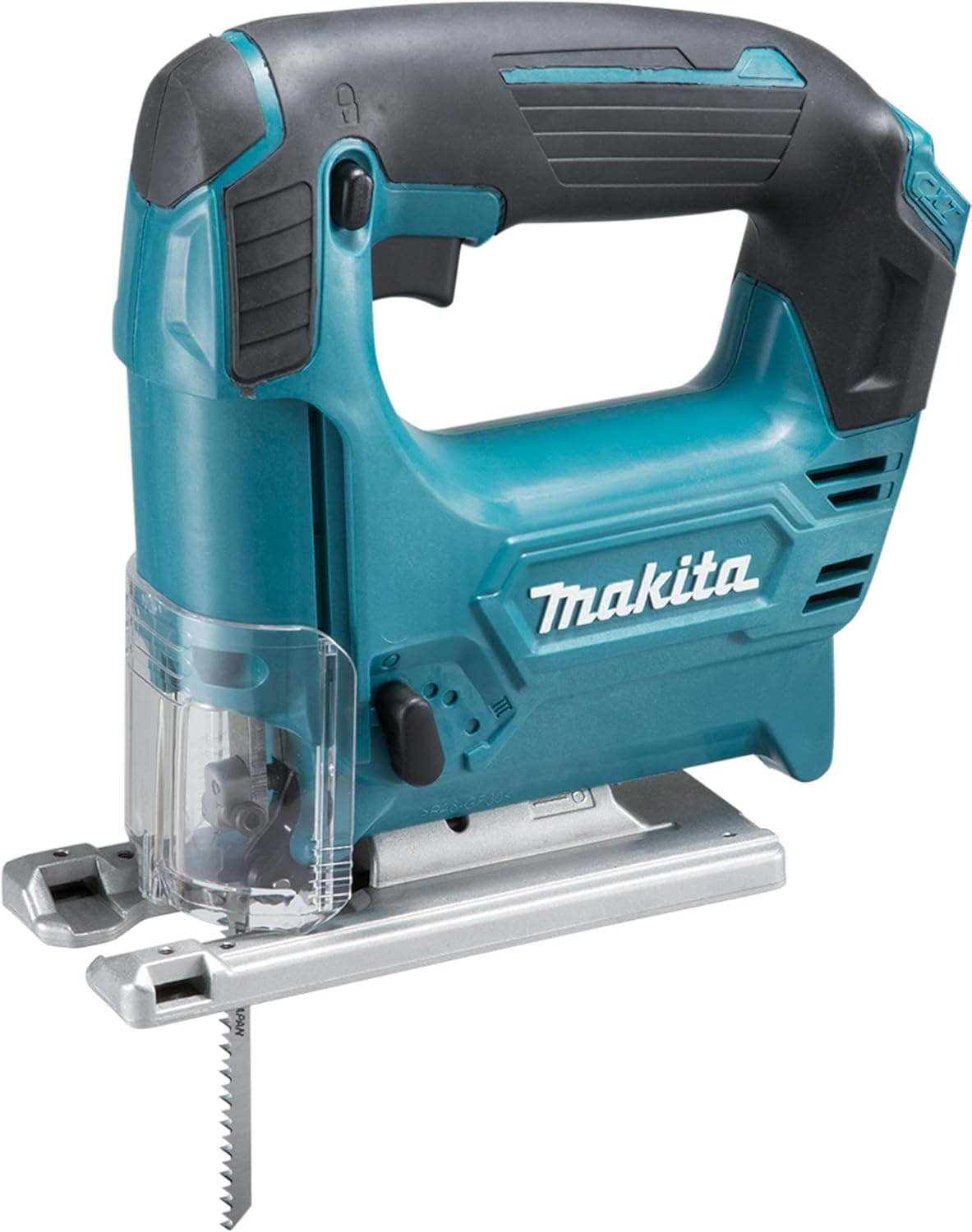
Nicht jeder Schnitt in einer Werkstatt oder auf einer Stelle ist eine gerade Linie. Wenn Sie ein gebogenes Profil folgen müssen, eine Spülenöffnung in einer Küchenarbeitsplatte...
Testbericht lesen
Eine Stichsäge ist eines dieser Werkzeuge, die Sie nicht für jeden Tag erreichen, aber an den Tagen, die Sie es brauchen, wird nichts anderes tun. Wenn eine Küchenarbeitsplatte...
Testbericht lesen
Schnittkurven in Holz, Stürze Schnitte in Arbeitsplatten, oder Schneiden Laminat Bodenbelag um Türrahmen zu passen — das sind Jobs, wo eine Kreissäge nicht helfen kann und ein...
Testbericht lesen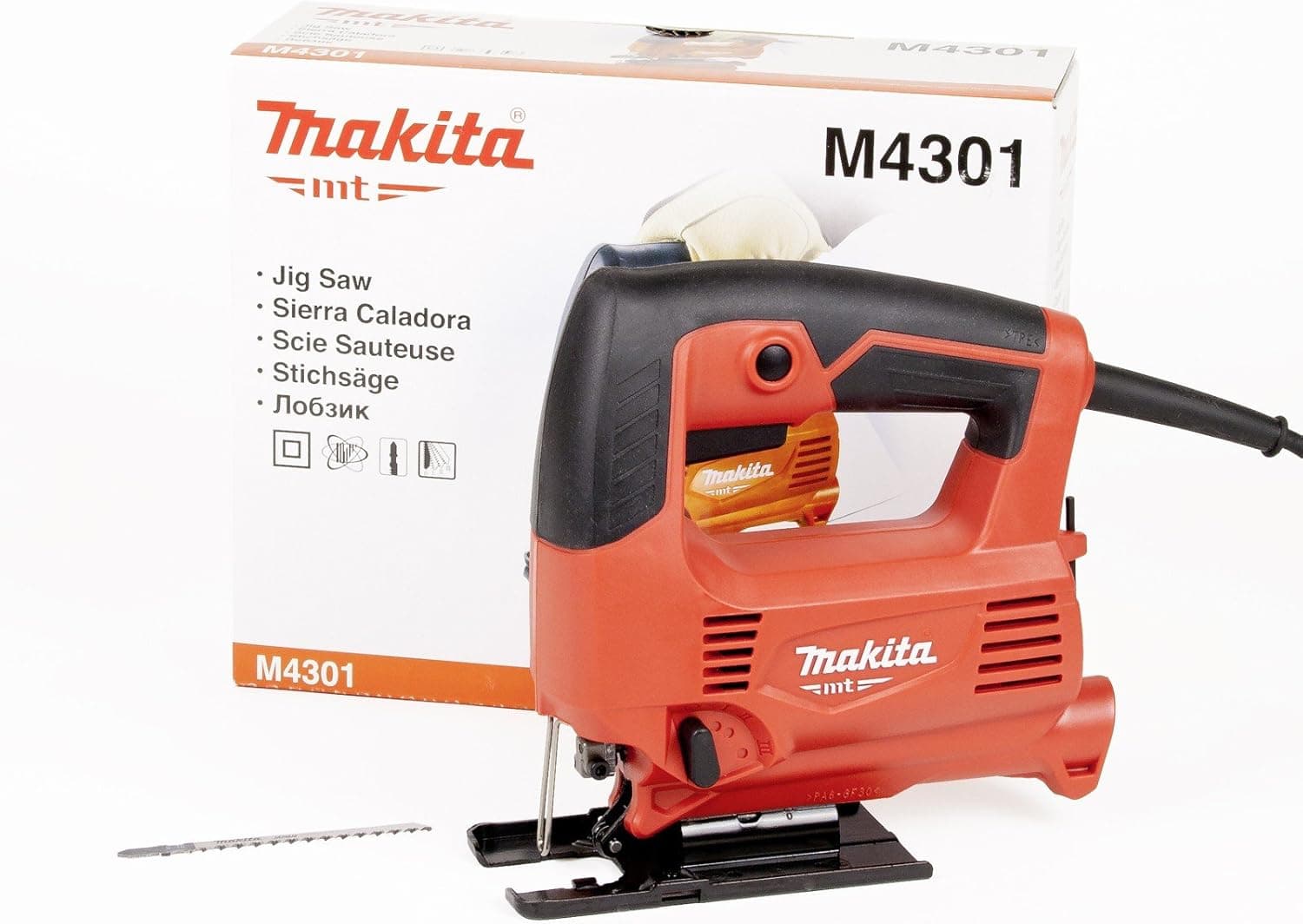
Eine gerade Linie zu schneiden ist, was Kreissägen und Handsägen am besten tun. Aber in dem Moment, in dem Ihr Schnitt muss sich kurven, drehen Sie eine Ecke, oder folgen Sie...
Testbericht lesen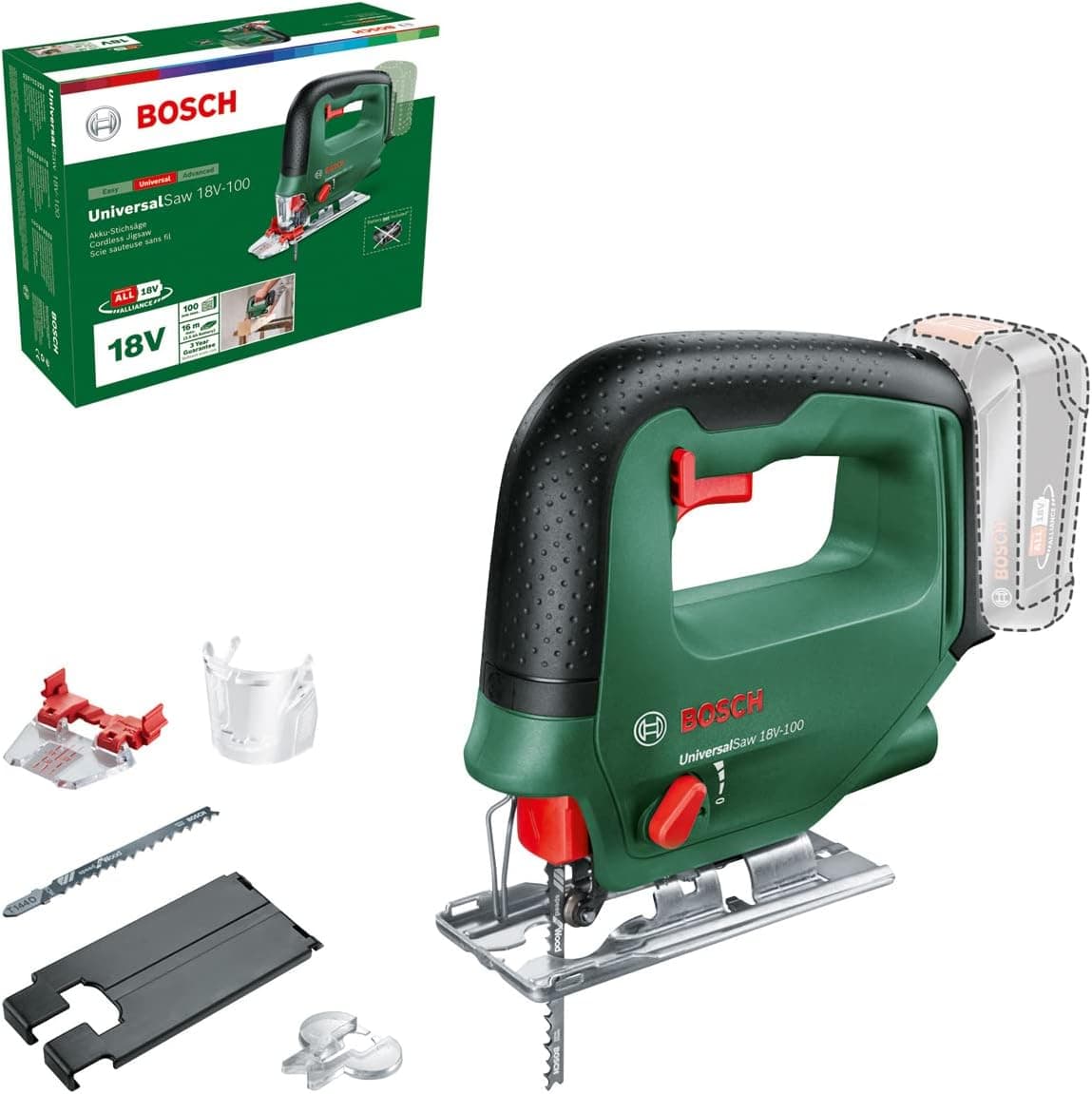
Die meisten Sägen sind Spezialisten. Eine kreisförmige Säge durch lange gerade Schnitte mit Geschwindigkeit und Präzision. Eine mitre Säge liefert perfekt gewinkelte Schnitte auf...
Testbericht lesen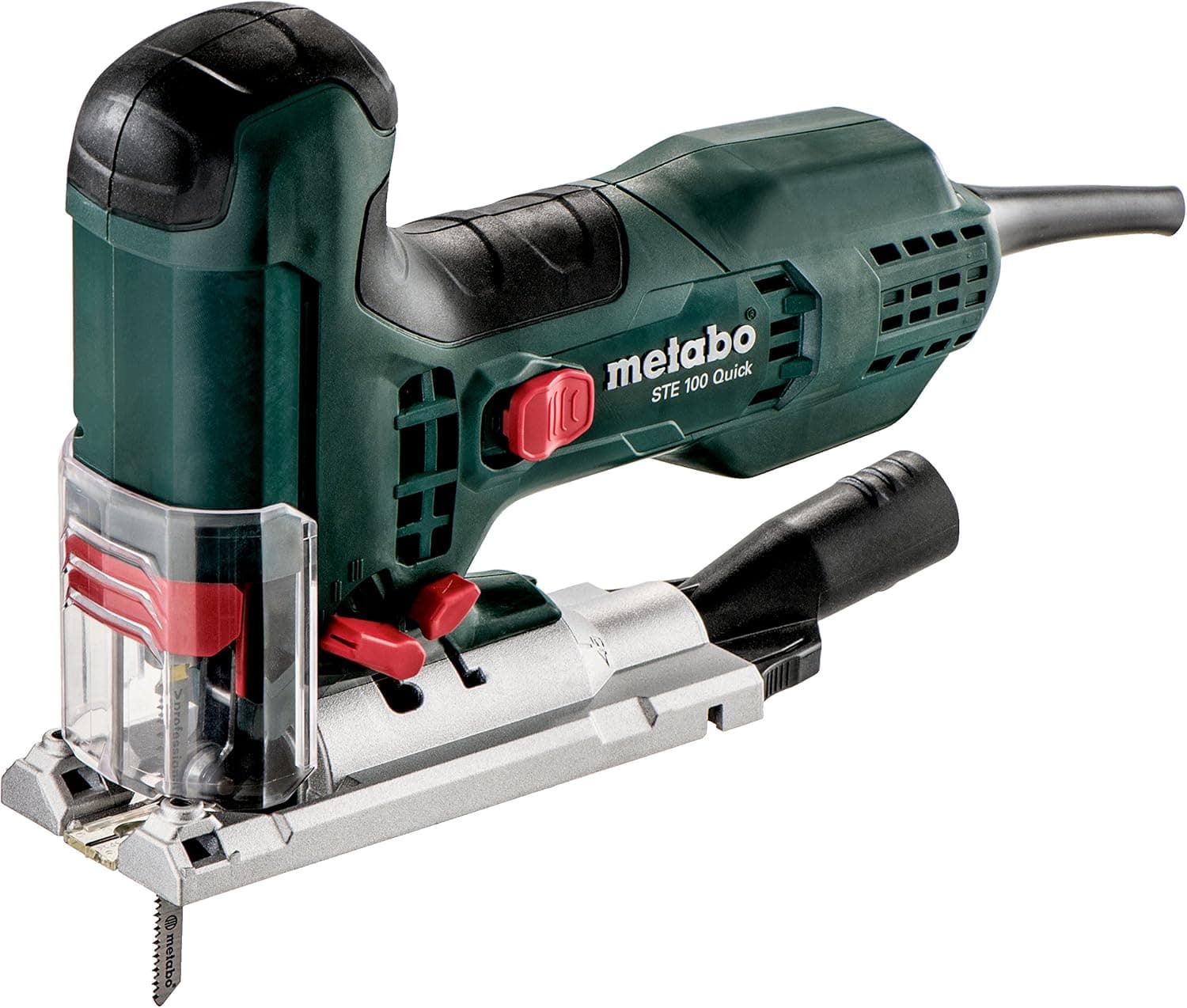
Schnittkurven, Scribing-Worktops zu unebenen Wänden, und machen Einschnitte in der Mitte einer Platte sind Jobs, die eine Kreissäge nicht tun kann und eine Handsäge zu langsam....
Testbericht lesen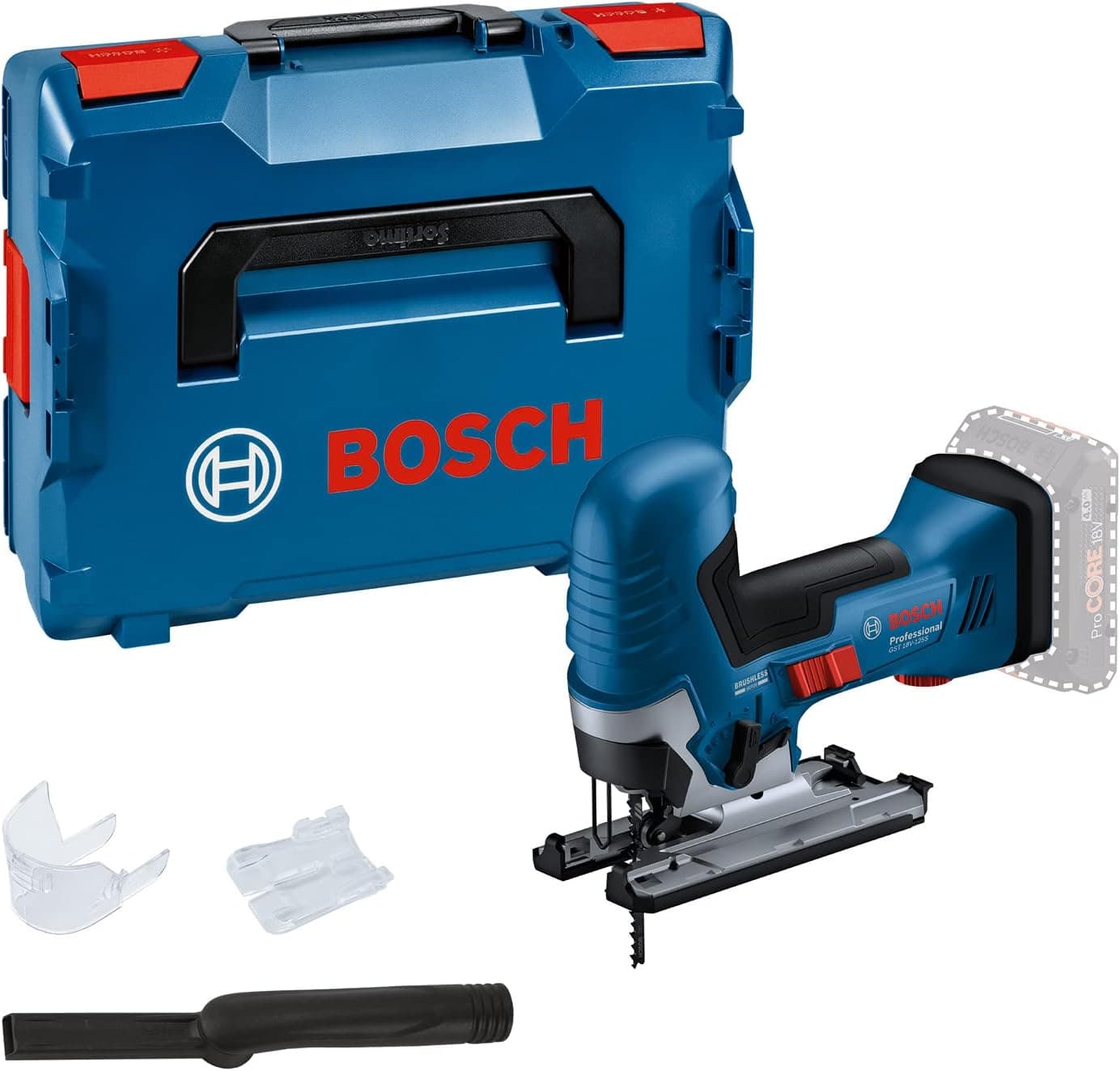
Eine kreisförmige Säge schneidet gerade Linien schön, aber der Moment, den Sie brauchen, um eine Kurve zu folgen, schneiden Sie ein Waschbecken Loch in einer Arbeitsplatte, oder...
Testbericht lesen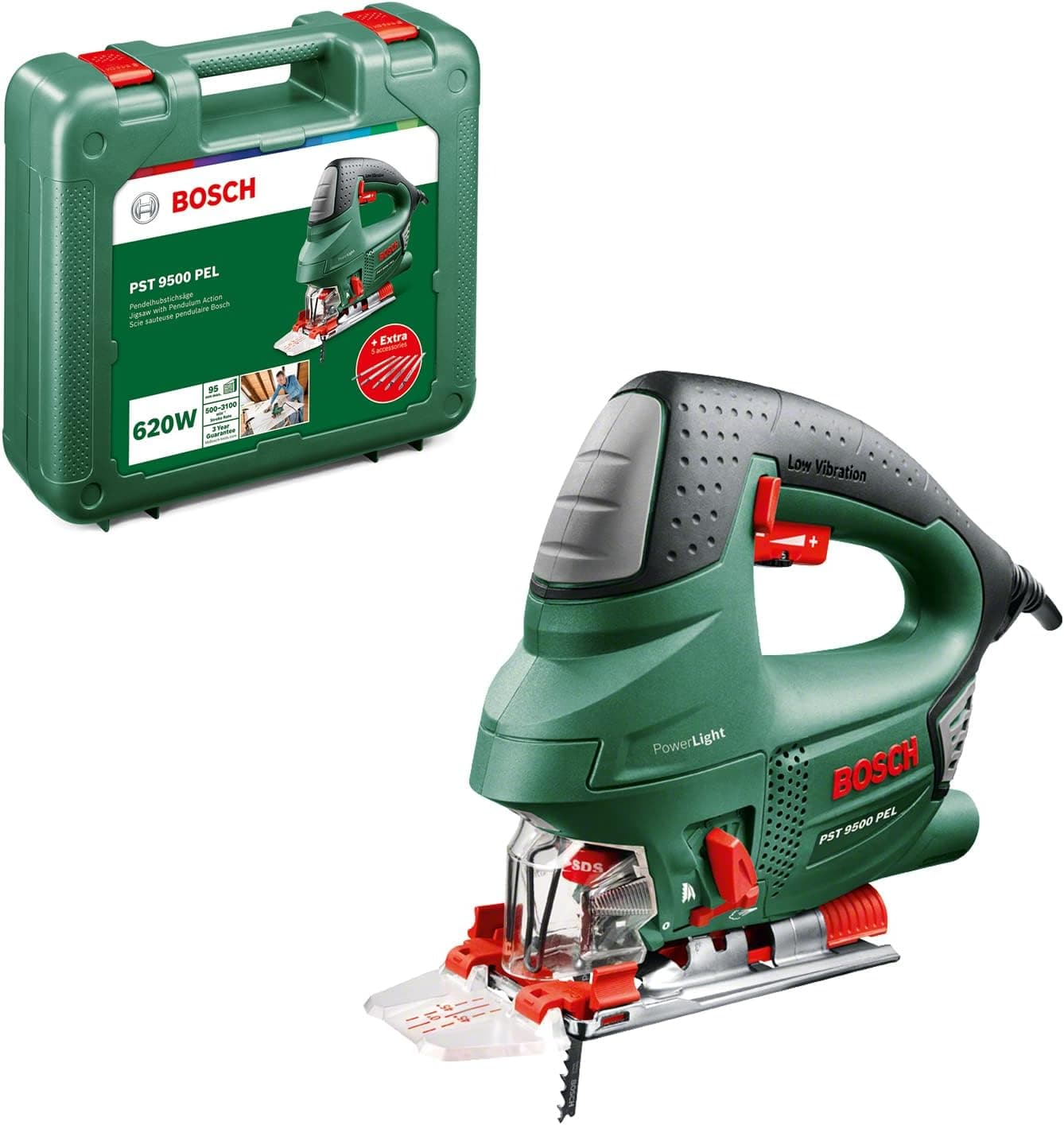
Gerade Linien sind einfach. Eine Kreissäge oder sogar eine Handsäge und ein ruhiges Auge kann Ihnen einen sauberen, quadratischen Schnitt über ein Blatt Sperrholz oder eine Länge...
Testbericht lesen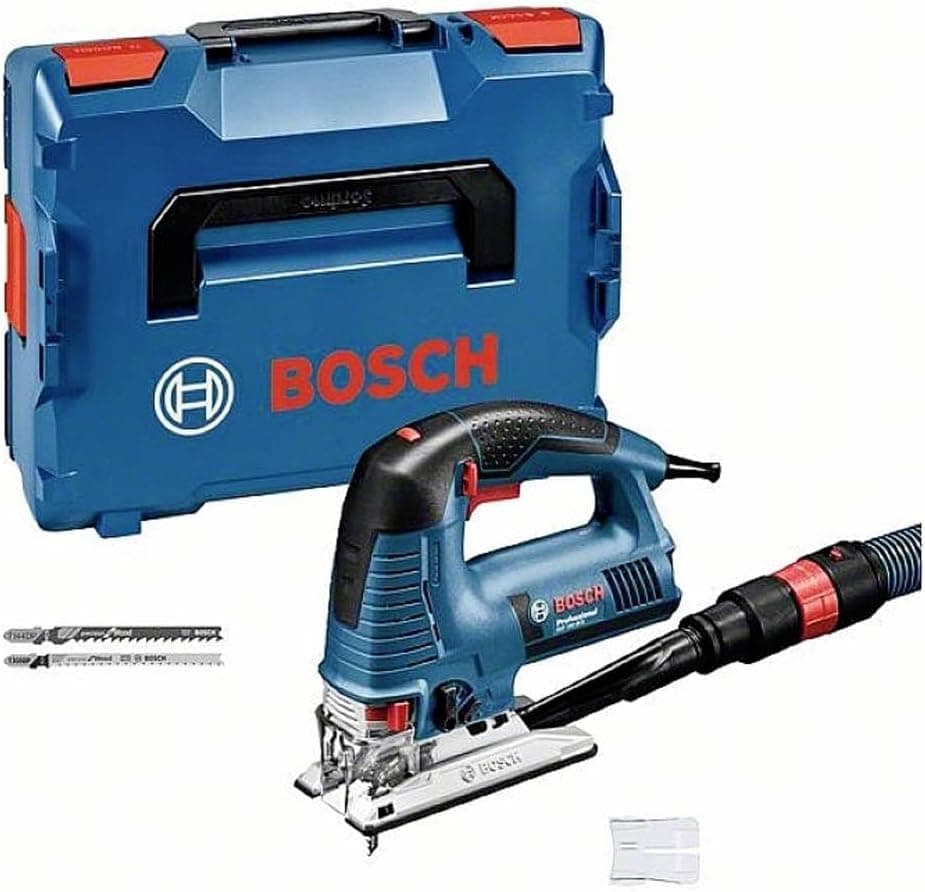
Nicht jeder Schnitt ist eine gerade Linie. Wenn Sie ein gebogenes Profil in einer Küchenarbeitsplatte schneiden müssen, schreiben Sie eine Arbeitsplatte zu einer unebenen Wand,...
Testbericht lesen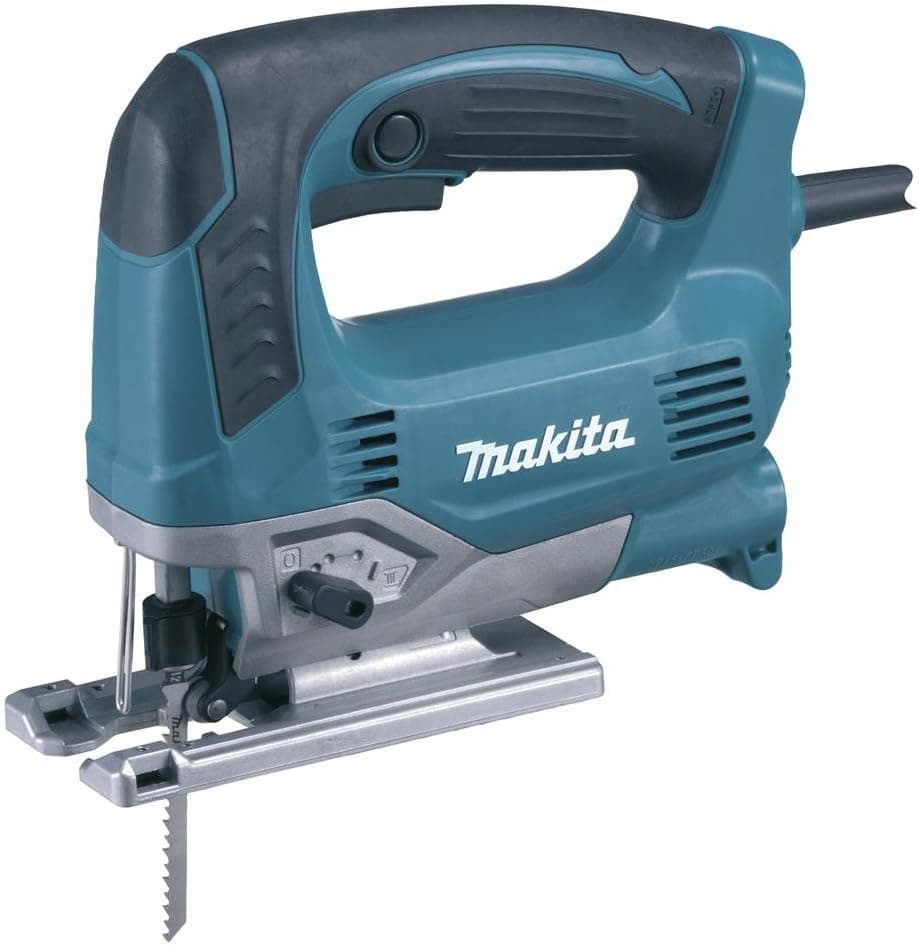
Das Schneiden einer perfekt geraden Linie ist, was Kreissägen und Tischsägen am besten tun. Aber in dem Moment, in dem Ihr Schnitt die Richtung ändern muss — das Umklammern um...
Testbericht lesen