

BoschHC8021
When a standard SDS-Plus drill bit reaches its diameter limit at around 32 millimetres, and you need to put a 50, 65, or 80 millimetre hole through a reinforced concrete wall for...
Read reviewCategory guide
When a standard SDS-Plus drill bit reaches its diameter limit at around 32 millimetres, and you need to put a 50, 65, or 80 millimetre hole through a reinforced concrete wall for...
Read review
Drilling a 25 mm hole through reinforced concrete is one of the most common tasks in structural fixing — it is the standard diameter for M20 anchor bolts, the workhorse of...
Read review
Drilling large-diameter holes through reinforced concrete, structural masonry, and hard aggregate is not a job for standard drill bits. When the hole needs to be 20 mm, 25 mm, or...
Read review
When the hole diameter climbs past 30 mm — beyond the reach of any SDS-plus system — you are firmly in SDS-max territory. A 35 mm hole through reinforced concrete is not a casual...
Read review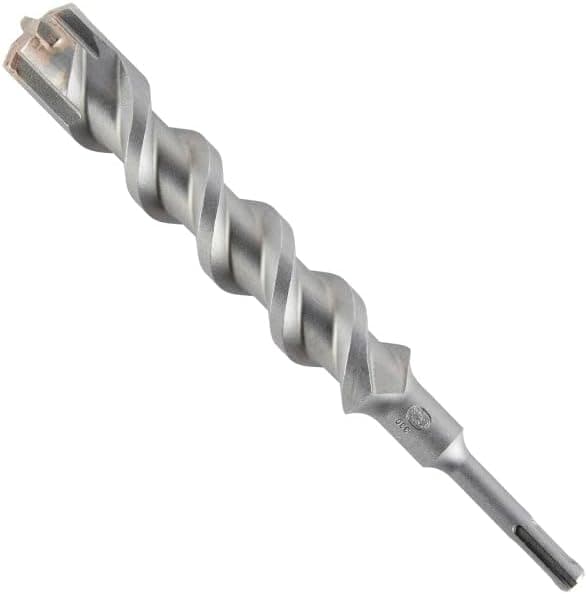
When you need to anchor something substantial to concrete — a structural steel column, a heavy machinery plinth, a safety barrier — the hole is going to be large, deep, and almost...
Read review
When a standard SDS-plus drill bit tops out at around 16 mm and the job demands a clean, straight hole through reinforced concrete for anchor bolts, rebar dowels, or pipe sleeves,...
Read review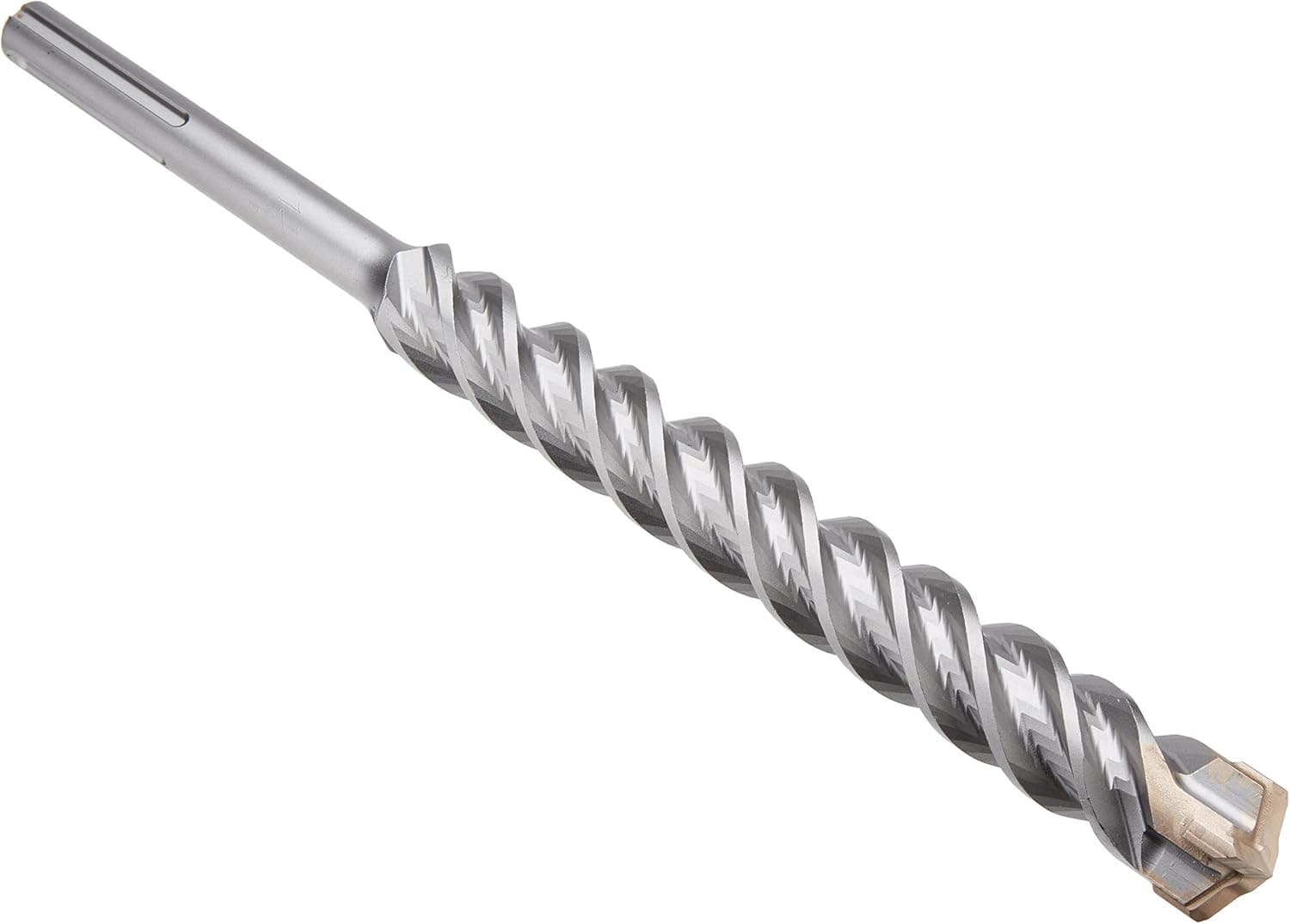
When the job calls for drilling into reinforced concrete, solid stone, or dense masonry, a standard drill bit simply will not do. You need something built to withstand punishing...
Read review
When the hole size climbs past 40 mm in structural concrete, the bit itself becomes a serious piece of engineering. At this diameter, the volume of material being pulverised per...
Read review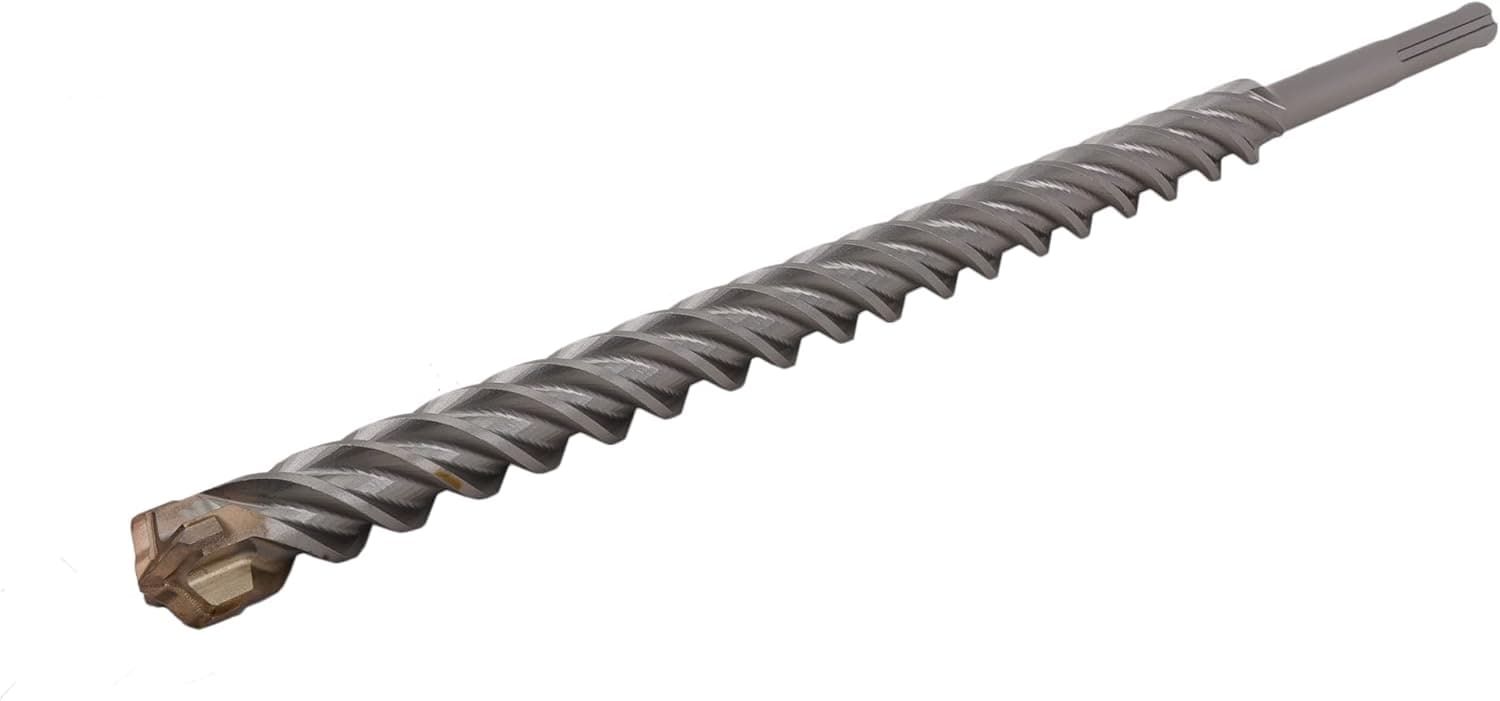
Some anchor holes need to go deep — through thick foundation slabs, beneath multiple layers of screed and insulation, or through structural beams where the anchor must reach well...
Read review
Drilling large-diameter holes through reinforced concrete, brick, or block is one of the most demanding tasks a rotary hammer faces. Standard twist drill bits struggle beyond...
Read review
Not every hole in reinforced concrete demands a four-cutter carbide head with advanced rebar-cutting geometry. For many professional fixing applications — anchoring pipe supports,...
Read review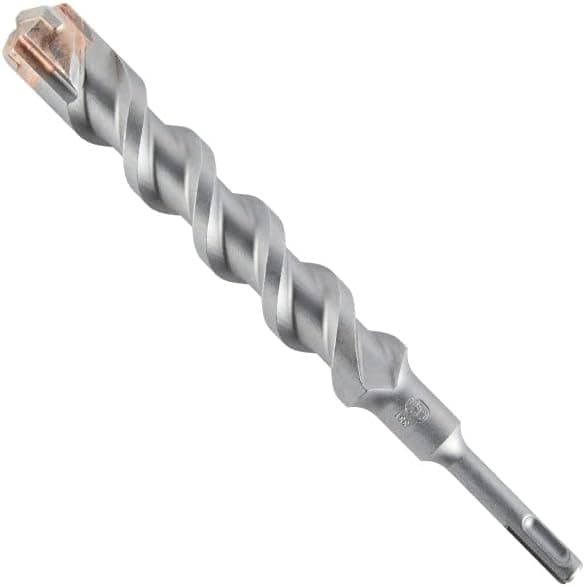
Drilling into concrete, brick, or stone is not the same as drilling into wood or drywall — it takes the right tool, the right bit, and a fair bit of patience. Whether you are...
Read review
For contractors who install fixings in concrete and masonry day in and day out, 10 mm SDS-plus bits are a consumable that disappears from the tool bag at a surprising rate....
Read review
Drilling a 32 mm hole through reinforced concrete is where rotary hammer bits earn their keep or reveal their weaknesses. At this diameter, the bit is cutting through a large...
Read review
When you are anchoring structural steel, installing heavy machinery, or bolting down racking systems, a standard SDS-Plus bit will only get you so far. Once you need holes beyond...
Read review
Some holes need to go deep. When you are anchoring into a concrete foundation that is half a metre thick, drilling through a retaining wall to install drainage, or setting long...
Read review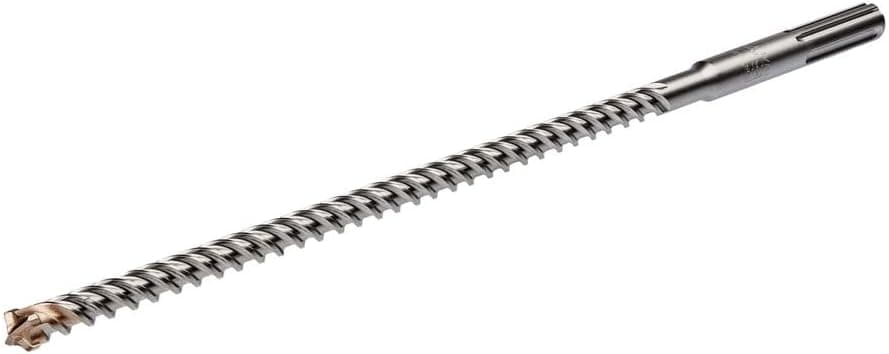
Most holes drilled into masonry are shallow — 30 to 80 millimetres for a wall plug, an anchor bolt, or a pipe clip. But occasionally, a job demands a hole that passes all the way...
Read review
When a job calls for drilling a 22 mm hole more than half a metre deep through reinforced concrete, you are well past the territory where a standard SDS-plus rotary hammer and bit...
Read review
For drilling medium-diameter holes in concrete — anchor bolts for structural fixings, through-holes for threaded rod, and penetrations for smaller pipes and conduits — a quality...
Read review
When a standard SDS-Plus rotary hammer bit reaches its diameter limit — around 25 mm to 28 mm in concrete — and the job demands a larger hole for anchor bolts, service conduits,...
Read review