
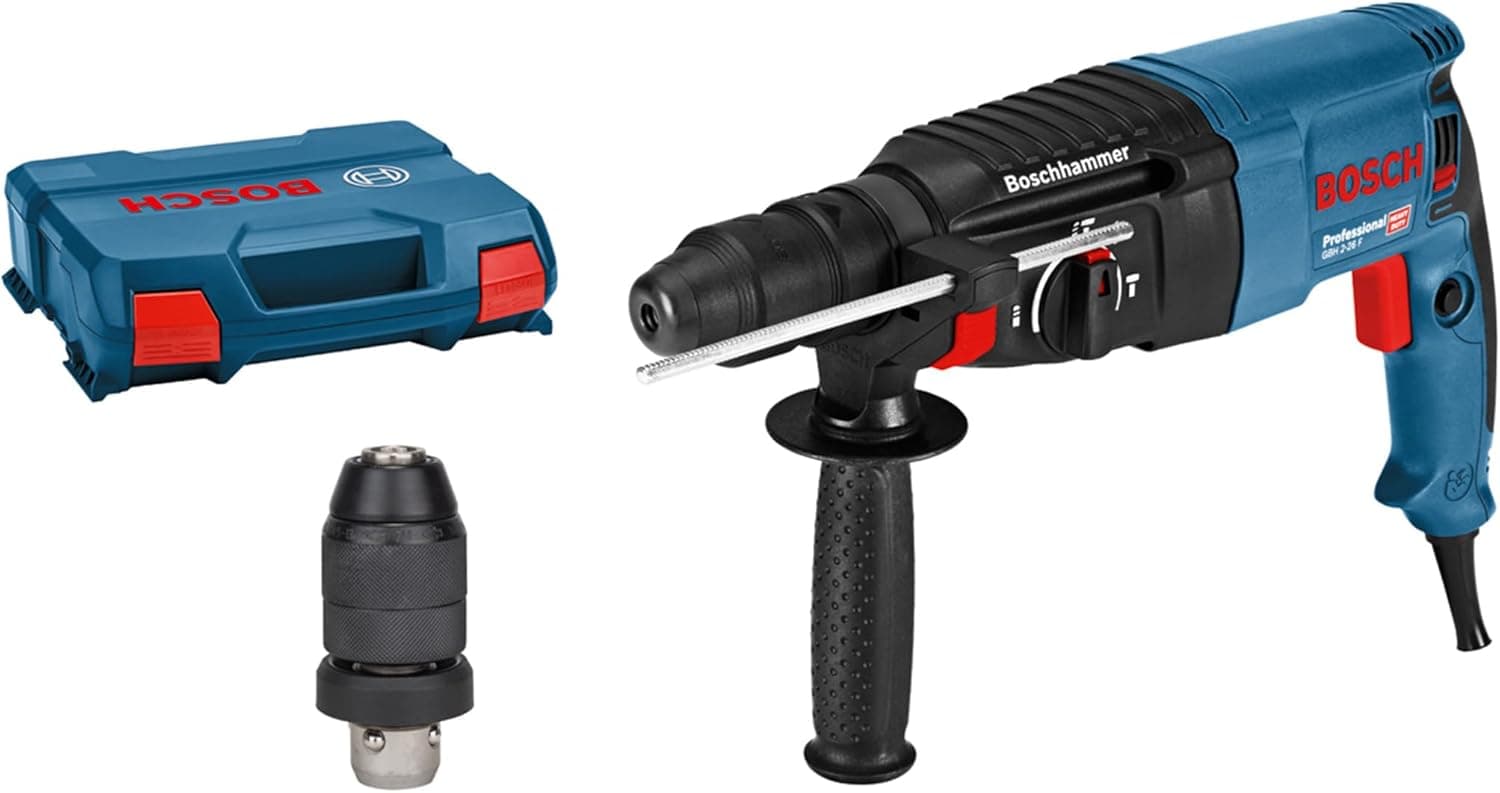
Bosch Professional06112A4000
Percez en béton, en brique ou en pierre avec un marteau ordinaire est l'une de ces expériences de bricolage qui vous enseigne rapidement les limites du mauvais outil. Le bit...
Lire l'avisGuide de catégorie
Percez en béton, en brique ou en pierre avec un marteau ordinaire est l'une de ces expériences de bricolage qui vous enseigne rapidement les limites du mauvais outil. Le bit...
Lire l'avis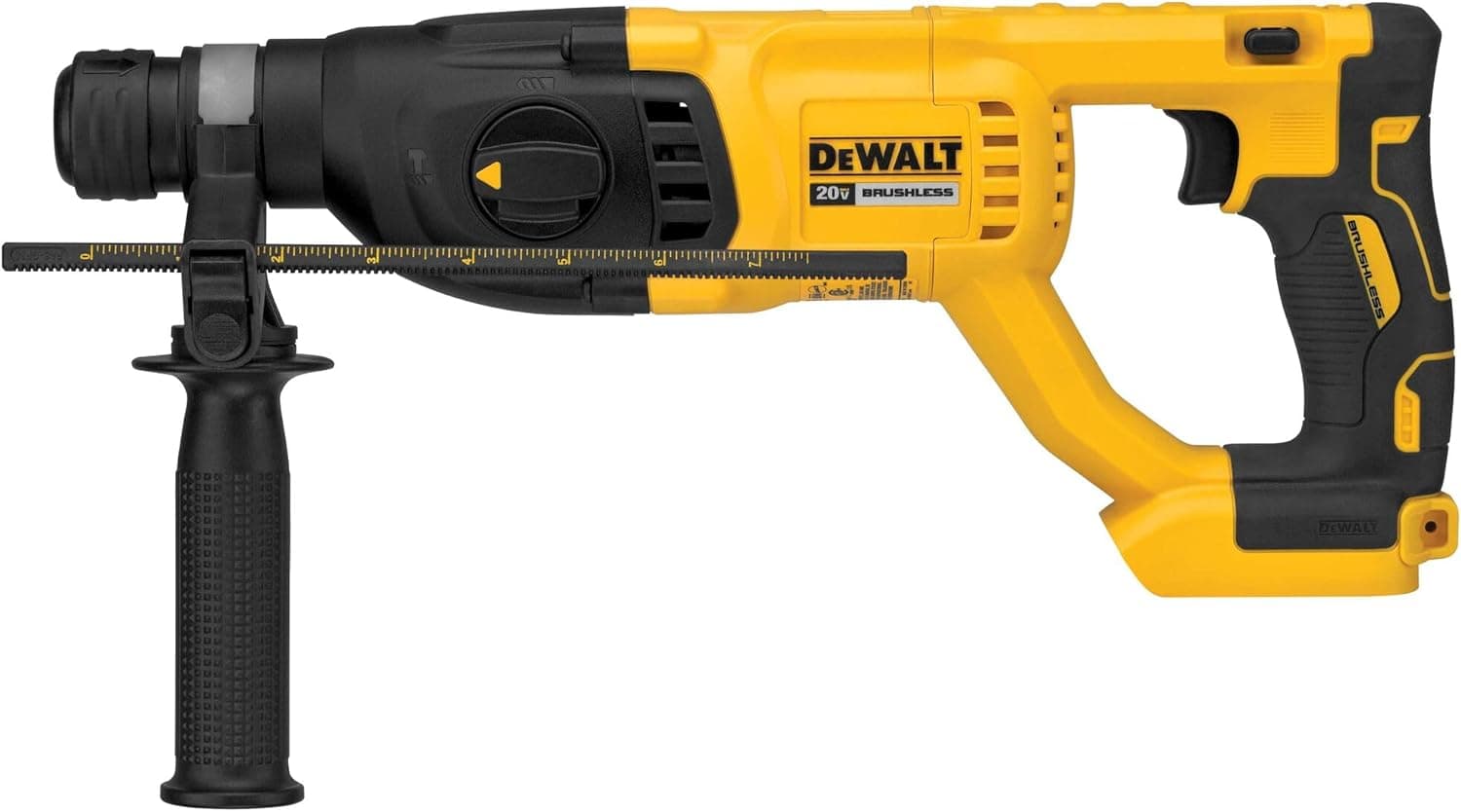
Le forage dans le béton, la brique et la maçonnerie est l'une des tâches les plus courantes mais les plus exigeantes physiquement pour tout projet de construction ou de...
Lire l'avis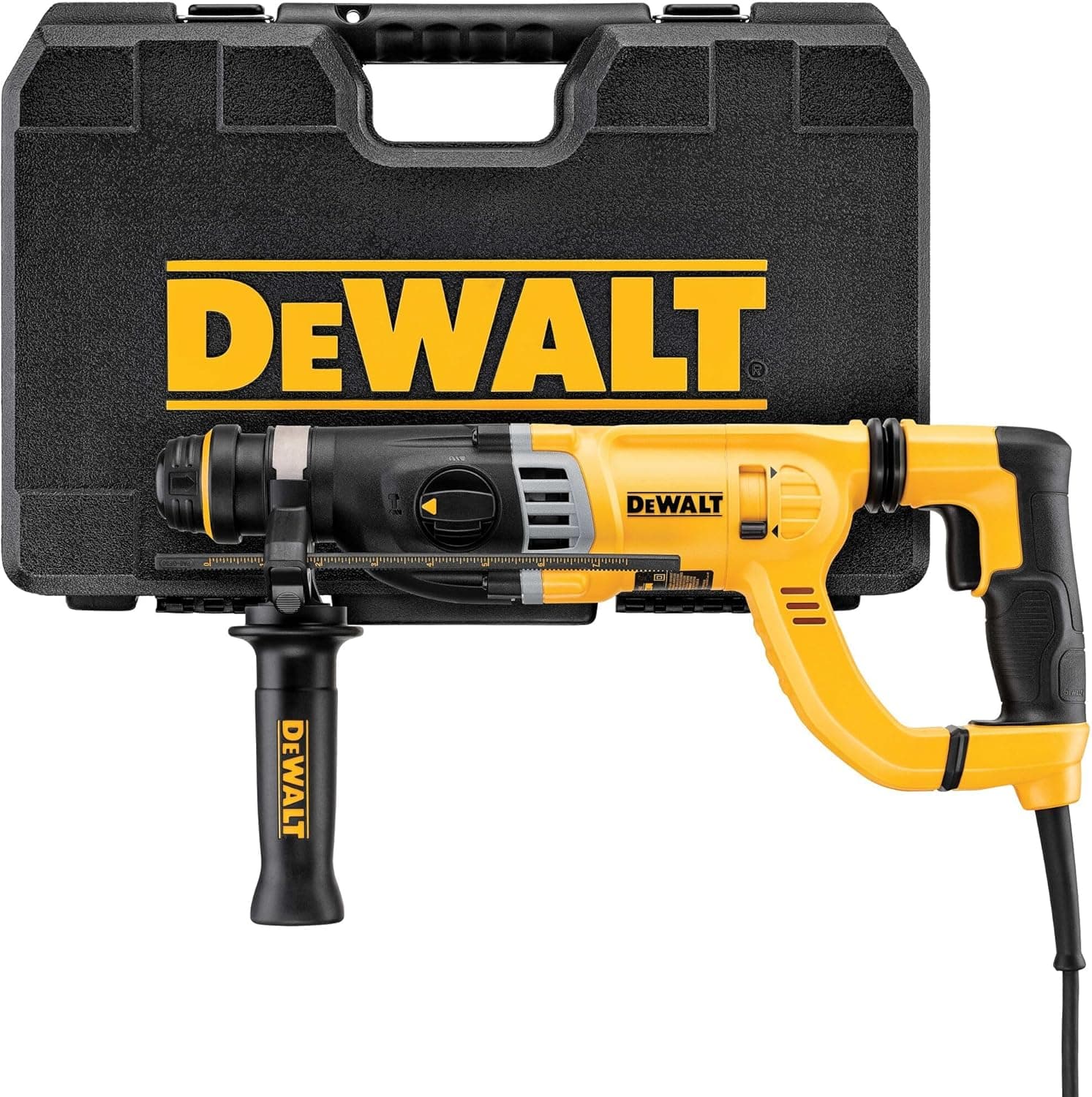
Pour les commerçants qui atteignent un marteau rotatif tous les jours de travail — les électriciens poursuivant des canaux, les plombiers se fermant à travers les murs, les...
Lire l'avis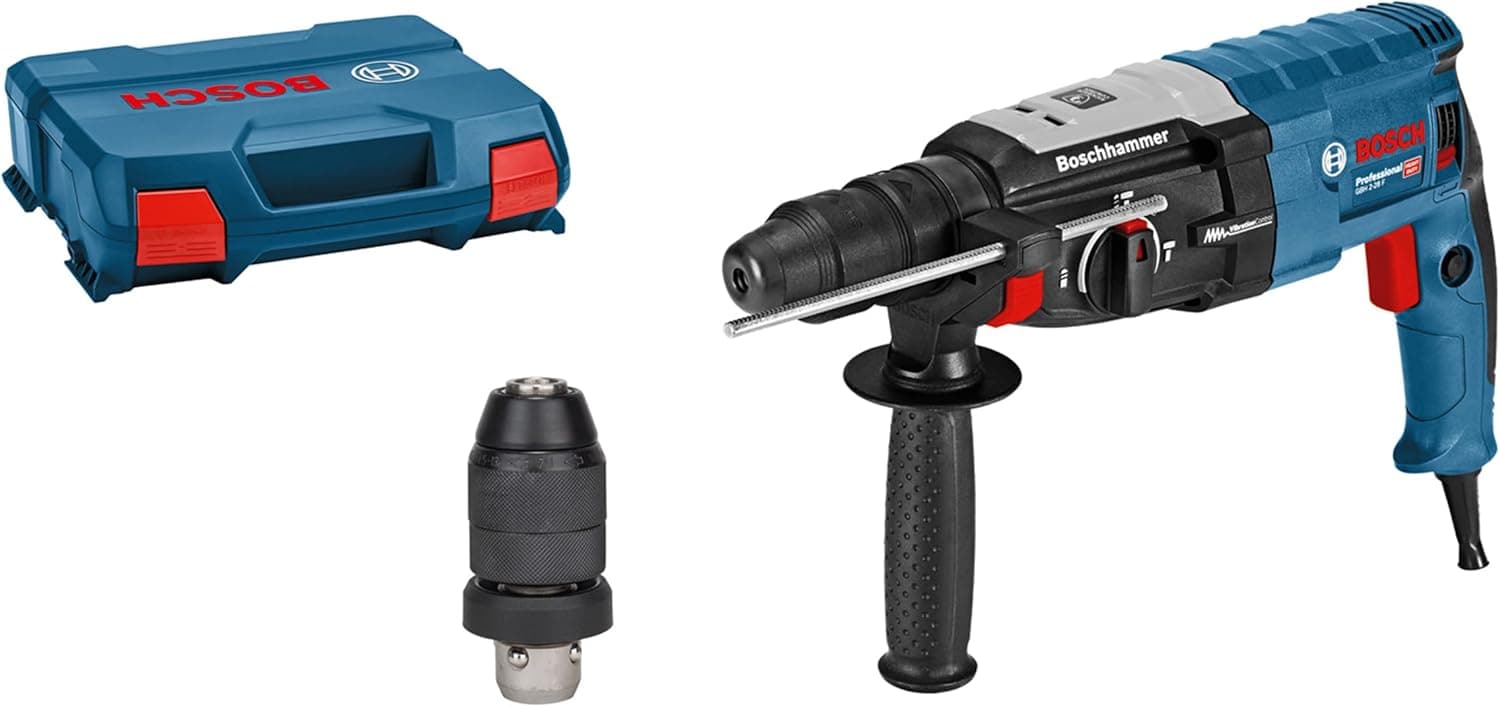
Le forage en béton armé, la poursuite des canaux à travers la brique ou la pose d'ancres lourdes dans la pierre n'est pas une tâche pour un marteau ordinaire. Un forage standard...
Lire l'avis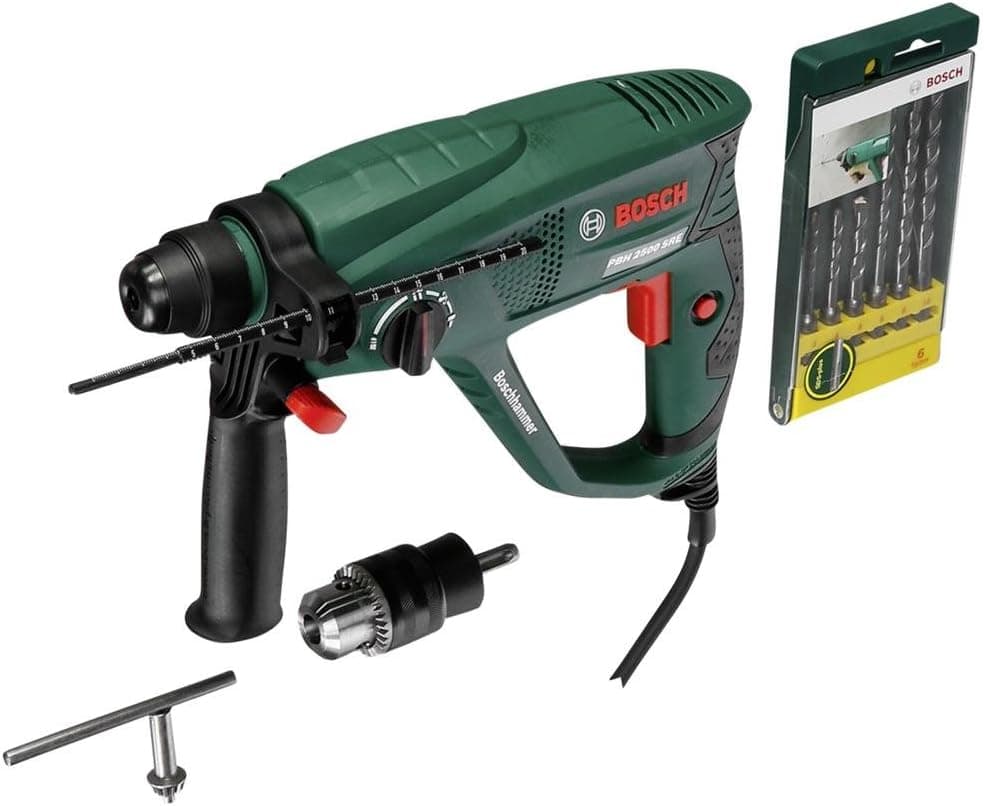
Monter un support de télévision sur un mur de briques, fixer des rails de rideaux dans un linteau en béton, faire tourner des clips de câbles le long d'un mur de maçonnerie ou...
Lire l'avis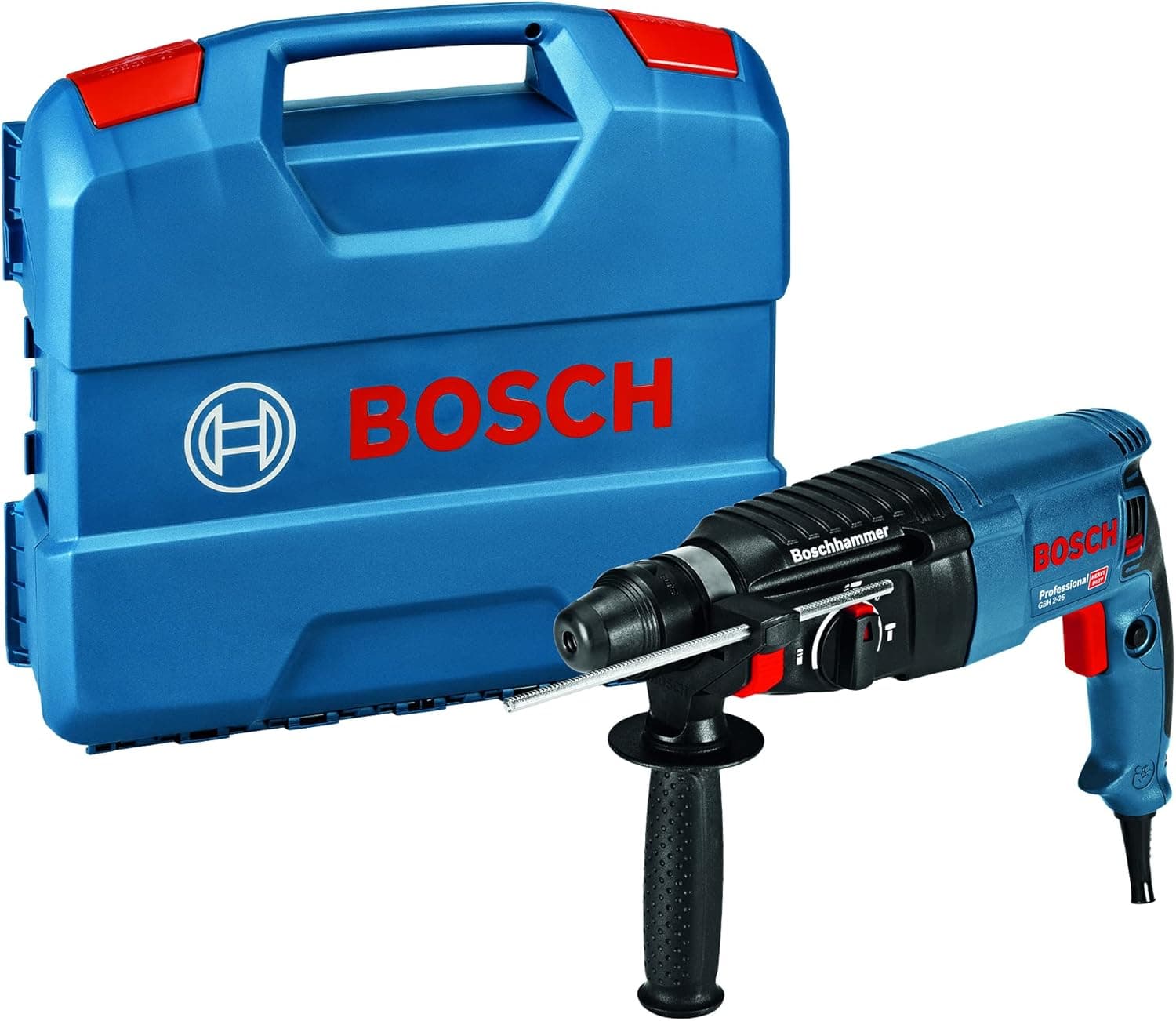
Le forage en brique, en béton ou en maçonnerie avec un forage standard est une recette de frustration. Le bit patine à travers la surface, les tourbières de moteur vers le bas, et...
Lire l'avis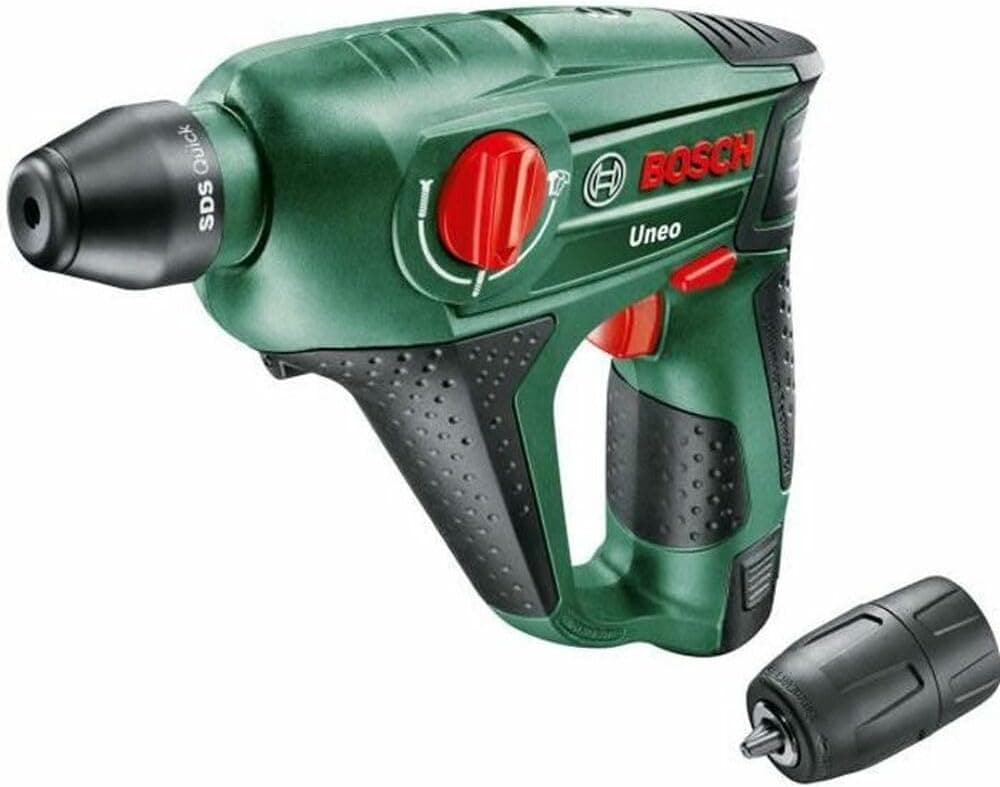
Peu de tâches de bricolage sont aussi redoutables que le forage dans un mur en béton solide. Un conducteur de forage standard avec un morceau de maçonnerie y arrivera...
Lire l'avis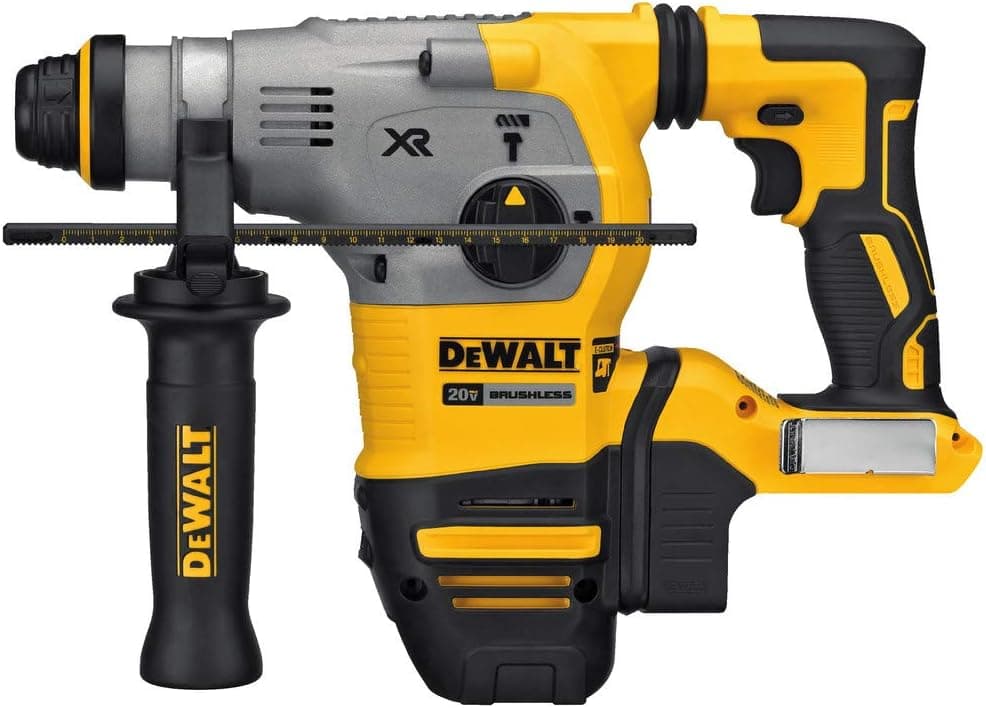
Pendant des années, l'échange avec des marteaux rotatifs a été simple : les outils cordés vous ont donné un temps d'exécution illimité et une énergie d'impact maximale, tandis que...
Lire l'avis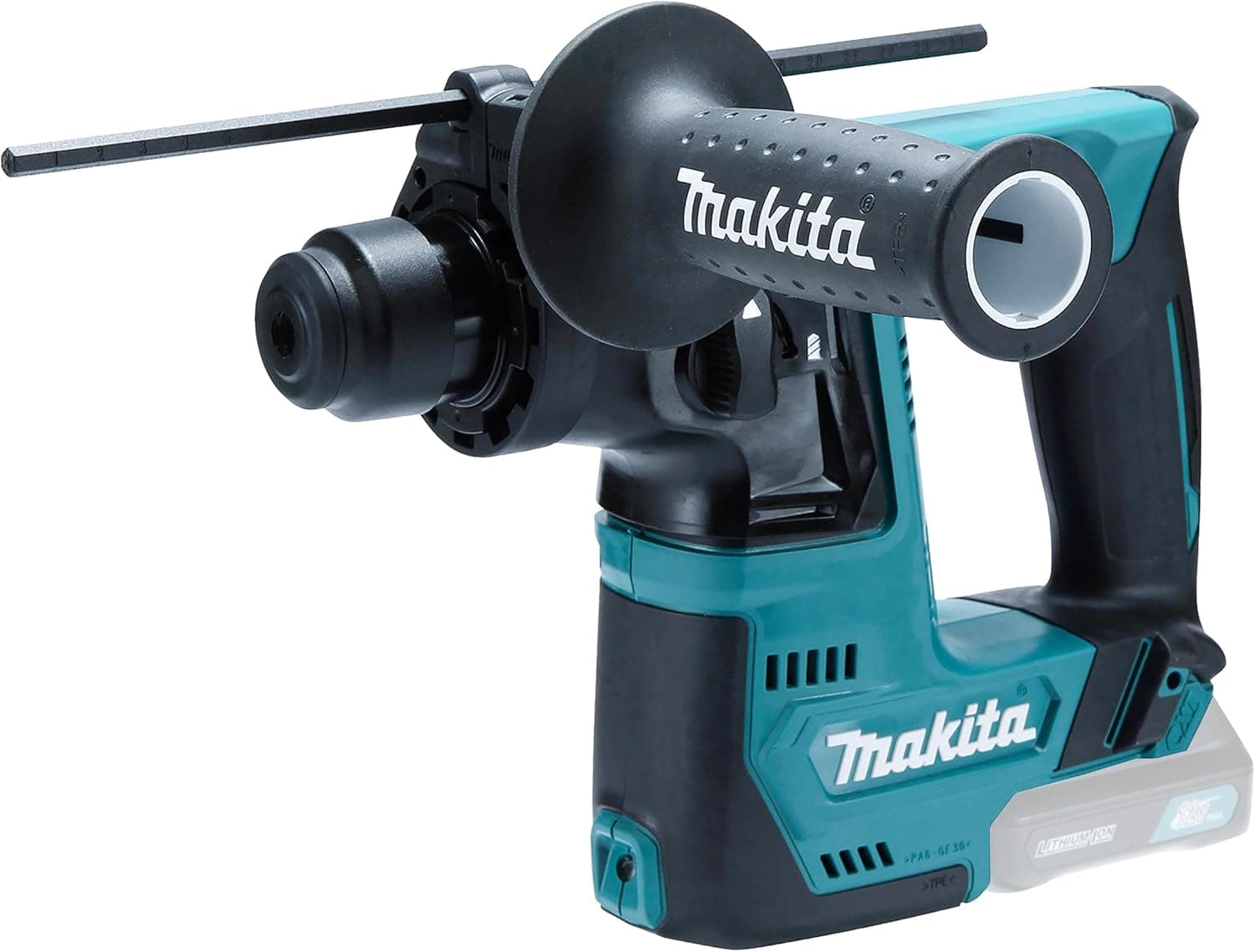
Le perçage en béton, en brique ou en maçonnerie avec une perceuse sans fil standard est lent, bruyant et dur sur l'outil et l'utilisateur. L'action de martelage d'un marteau...
Lire l'avis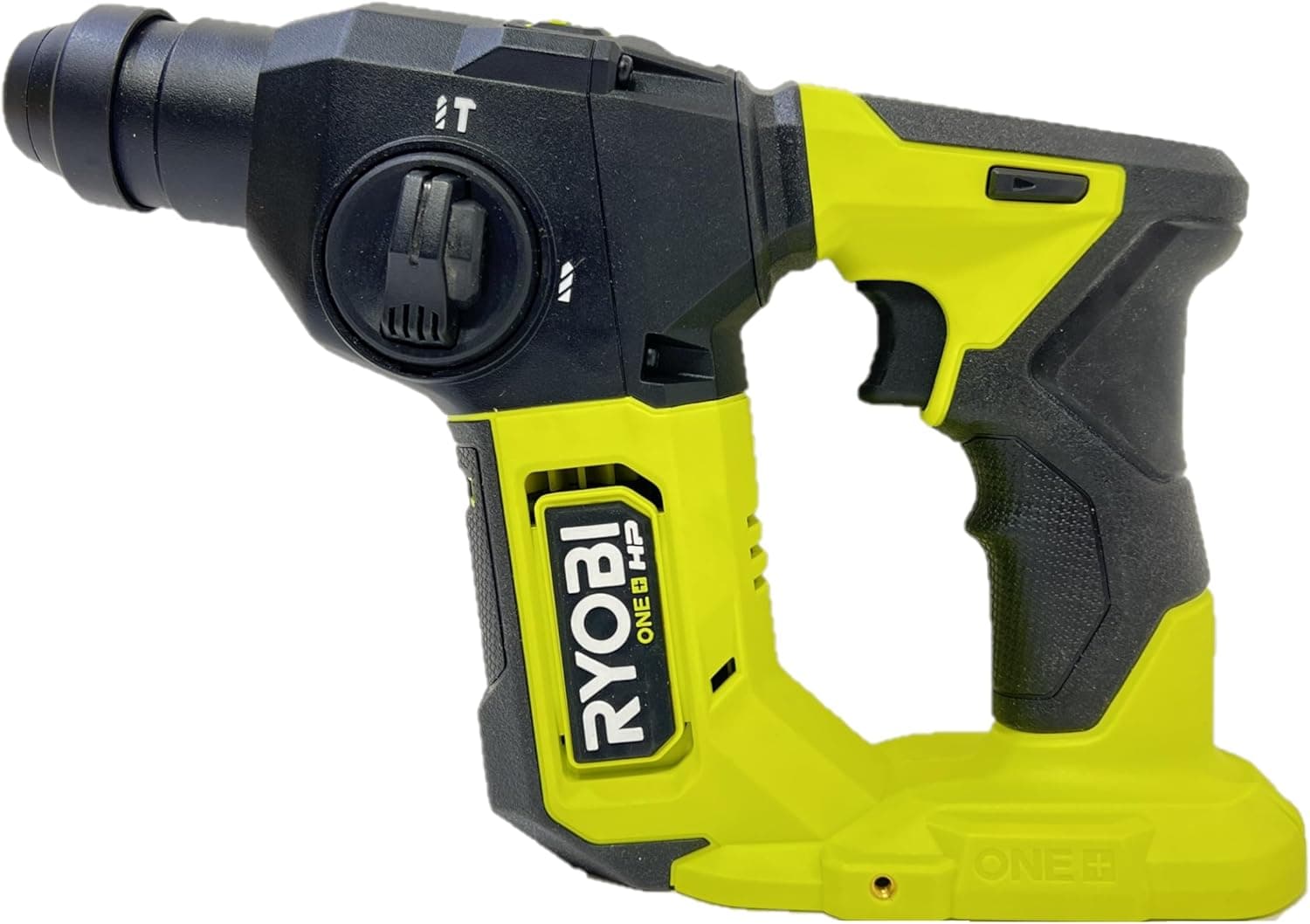
Percer un trou dans du béton, de la brique ou de la pierre avec un perceur de marteau standard est un test de patience — et parfois de votre volonté d'accepter un trou tordu, à...
Lire l'avis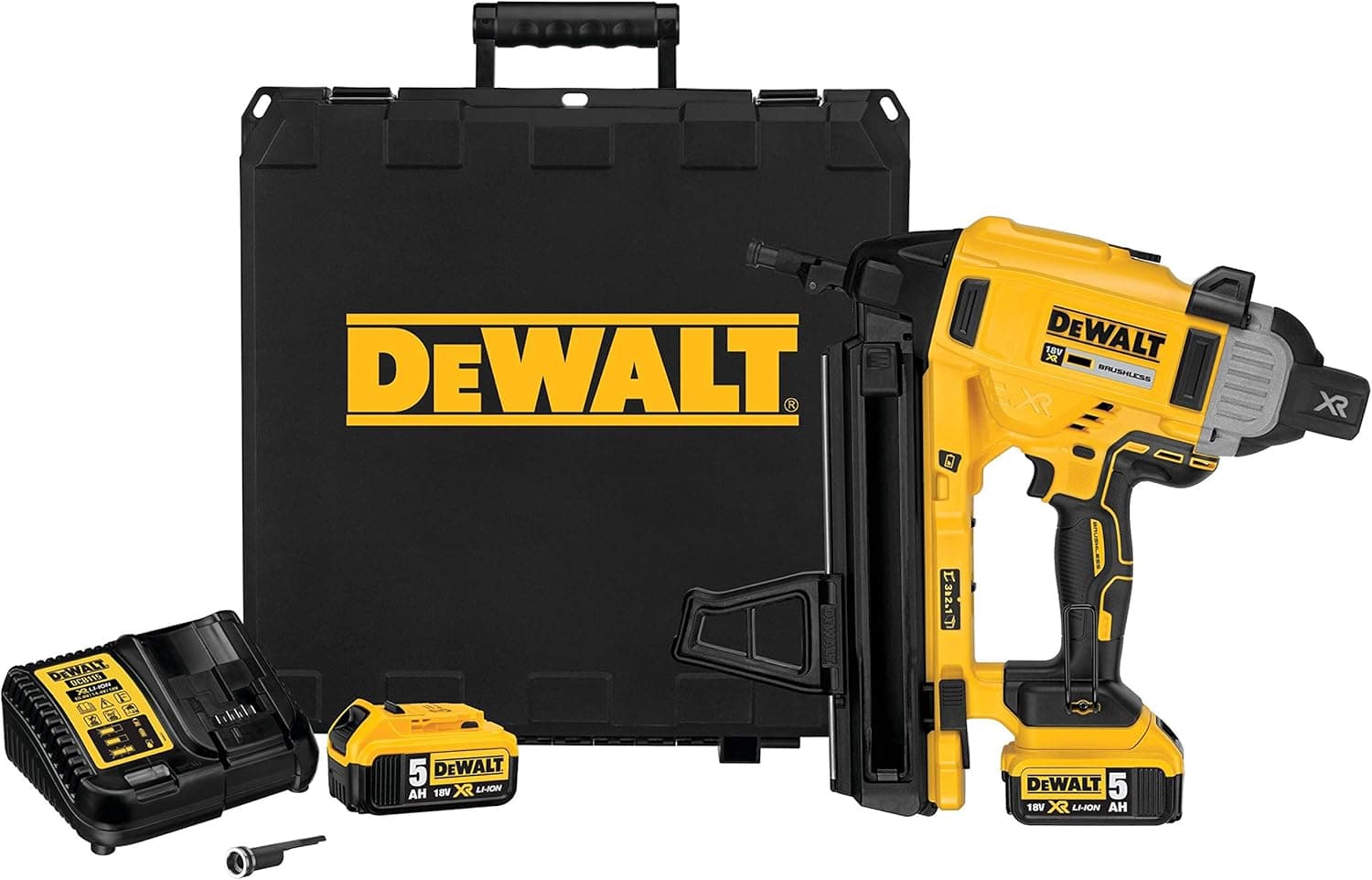
Conduire une fixation dans du béton solide ou de l'acier de structure utilisé pour signifier l'une des deux choses: un outil actionné par la poudre qui nécessite des cartouches,...
Lire l'avis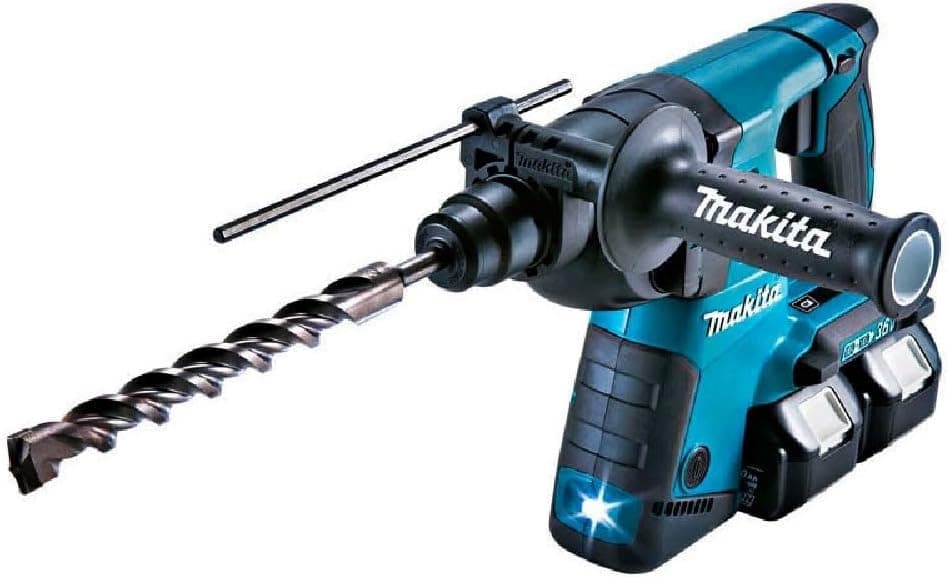
Il y a un niveau de forage en béton où un forage combi cesse d'être « faible » et commence à être « inutile ». Lorsque vous fixez l'unistrut à un plafond en béton, que vous ancrez...
Lire l'avis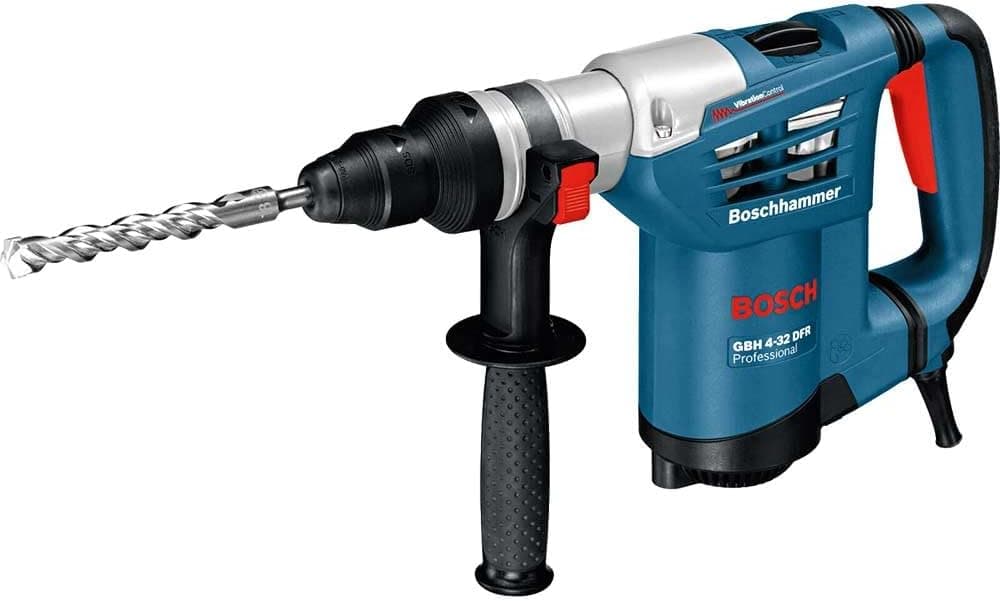
Un marteau rotatif SDS-plus compact s'occupe facilement de la plupart des trous d'ancrage et des cliquetis légers, mais lorsque le travail nécessite le forage de 20 à 32...
Lire l'avis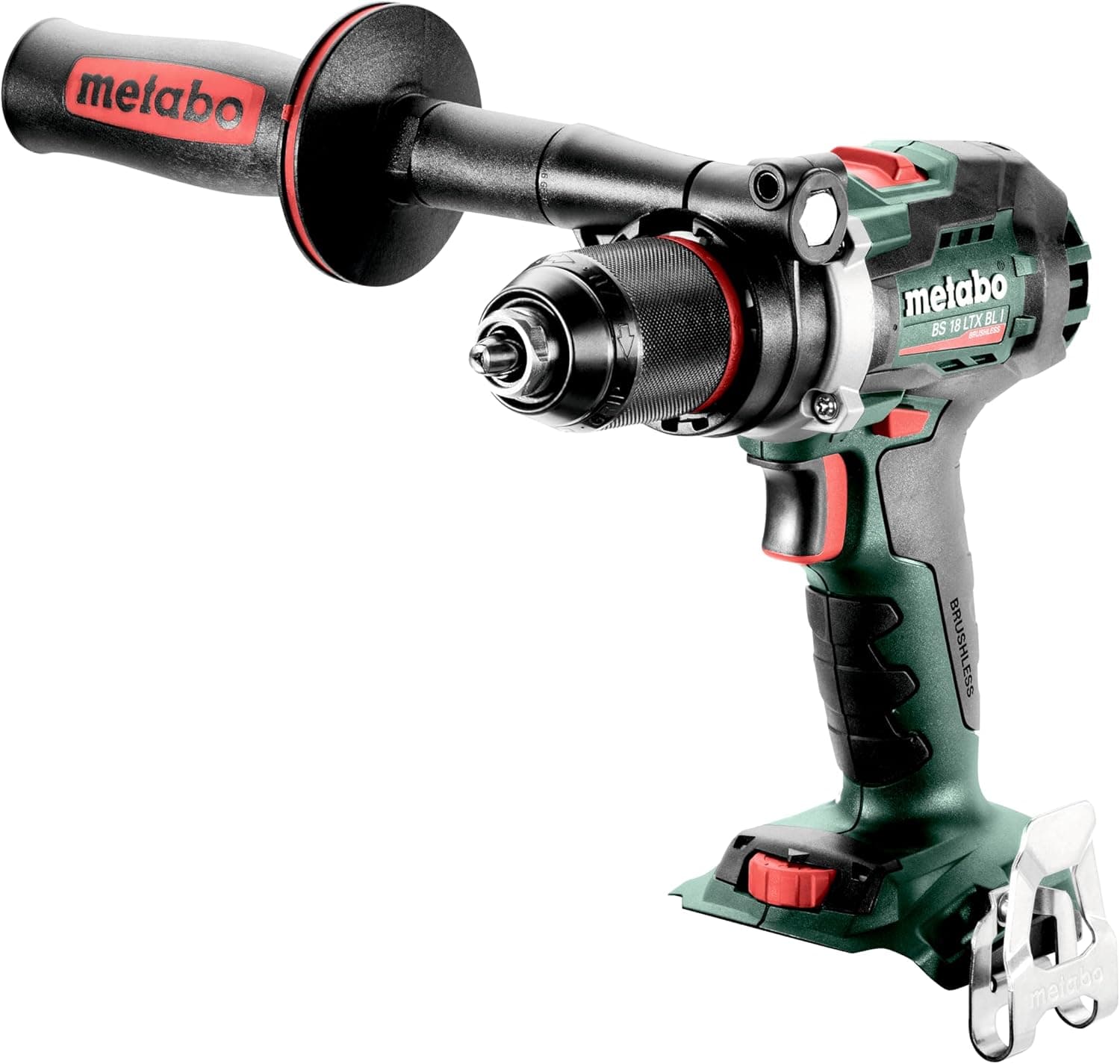
Toutes les tâches de forage et de vissage ne nécessitent pas une puissance maximale et un outil lourd. Parfois, vous avez besoin d'un pilote de forage compact et léger qui...
Lire l'avis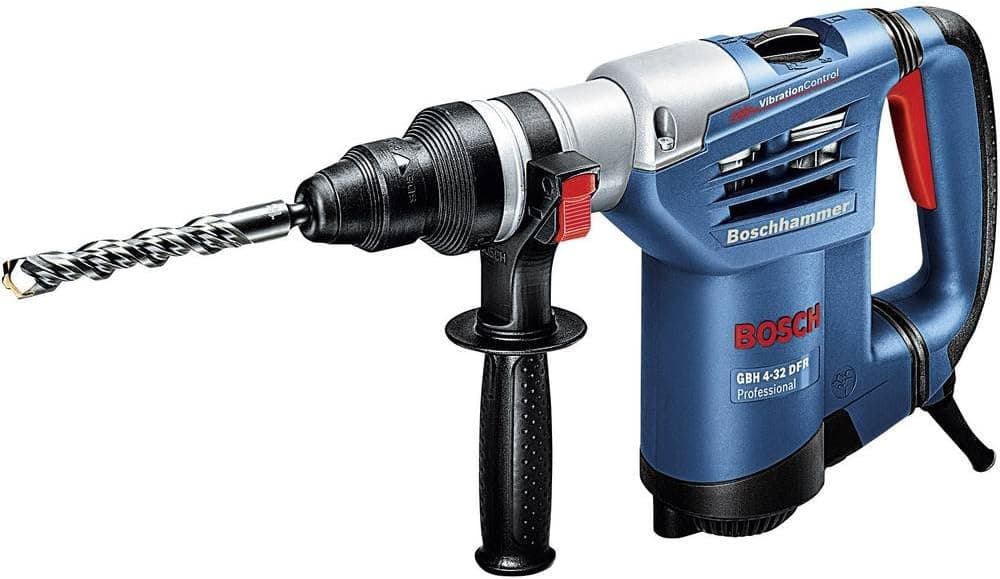
Un marteau rotatif de qualité professionnelle se trouve à l'intersection de la puissance, de la polyvalence et de la durabilité, perçant des trous de 25 mm à travers du béton armé...
Lire l'avis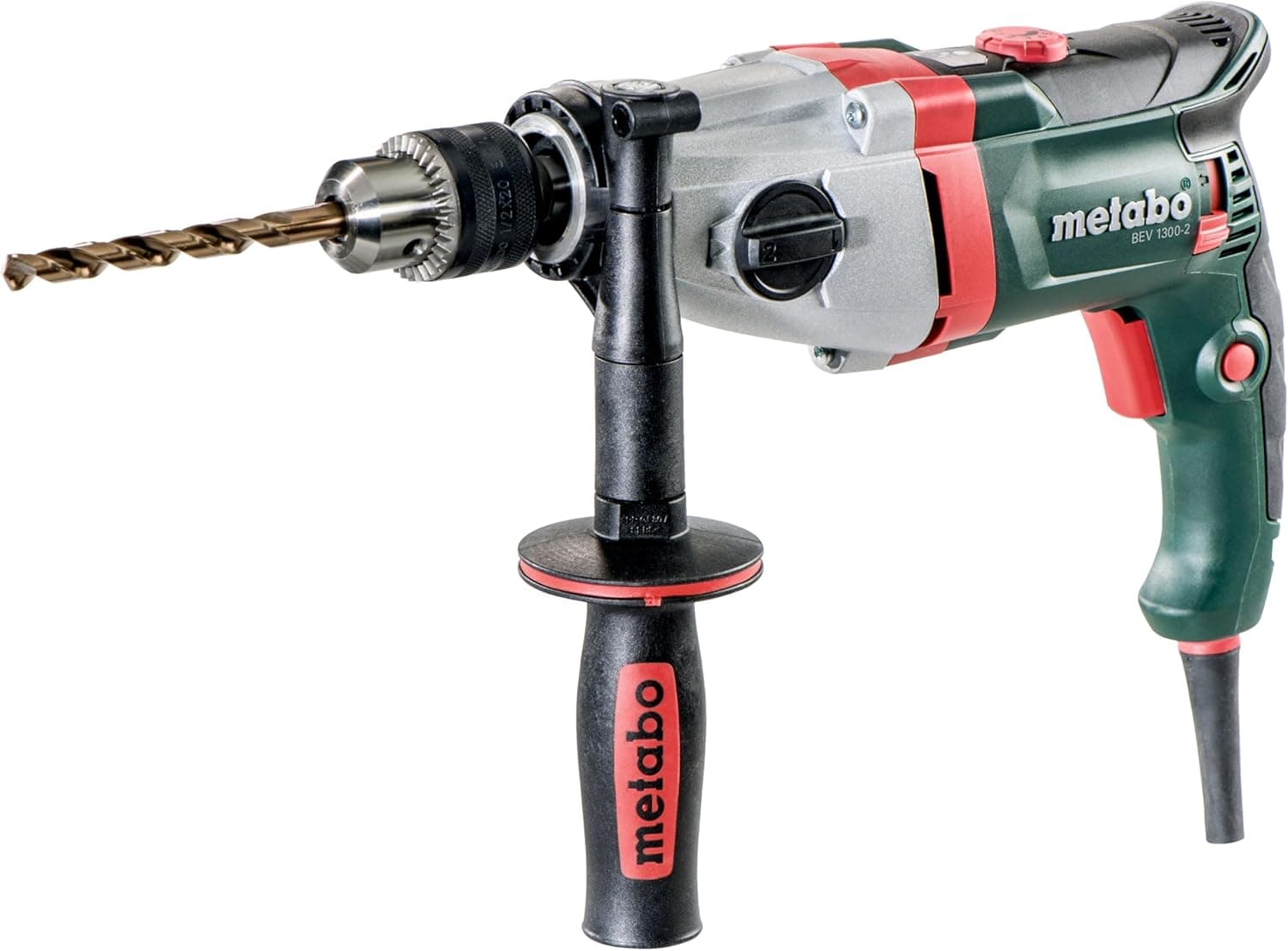
Lorsqu'un travail exige une puissance de forage sérieuse — des trous de gros diamètres perçants à travers des feuillus denses, mélangeant des composés de construction lourds ou...
Lire l'avis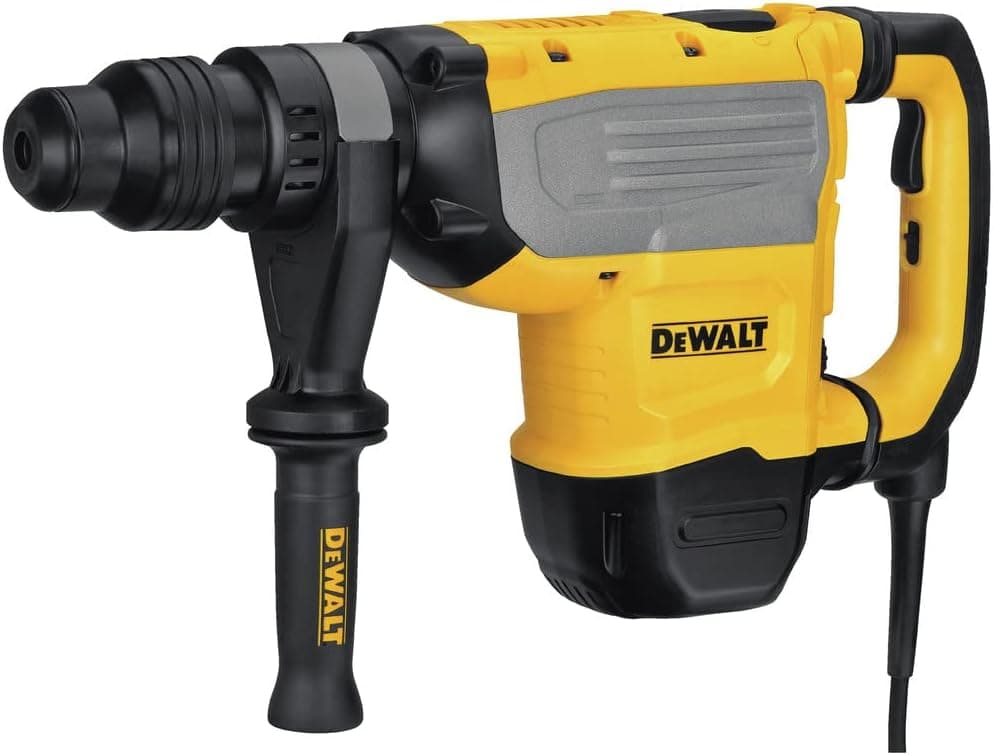
Lorsque le travail passe des trous de forage à la démolition complète des murs, la classe d'outils change. Les marteaux rotatifs SDS-Plus standard s'étendent à environ 28 mm et 3...
Lire l'avis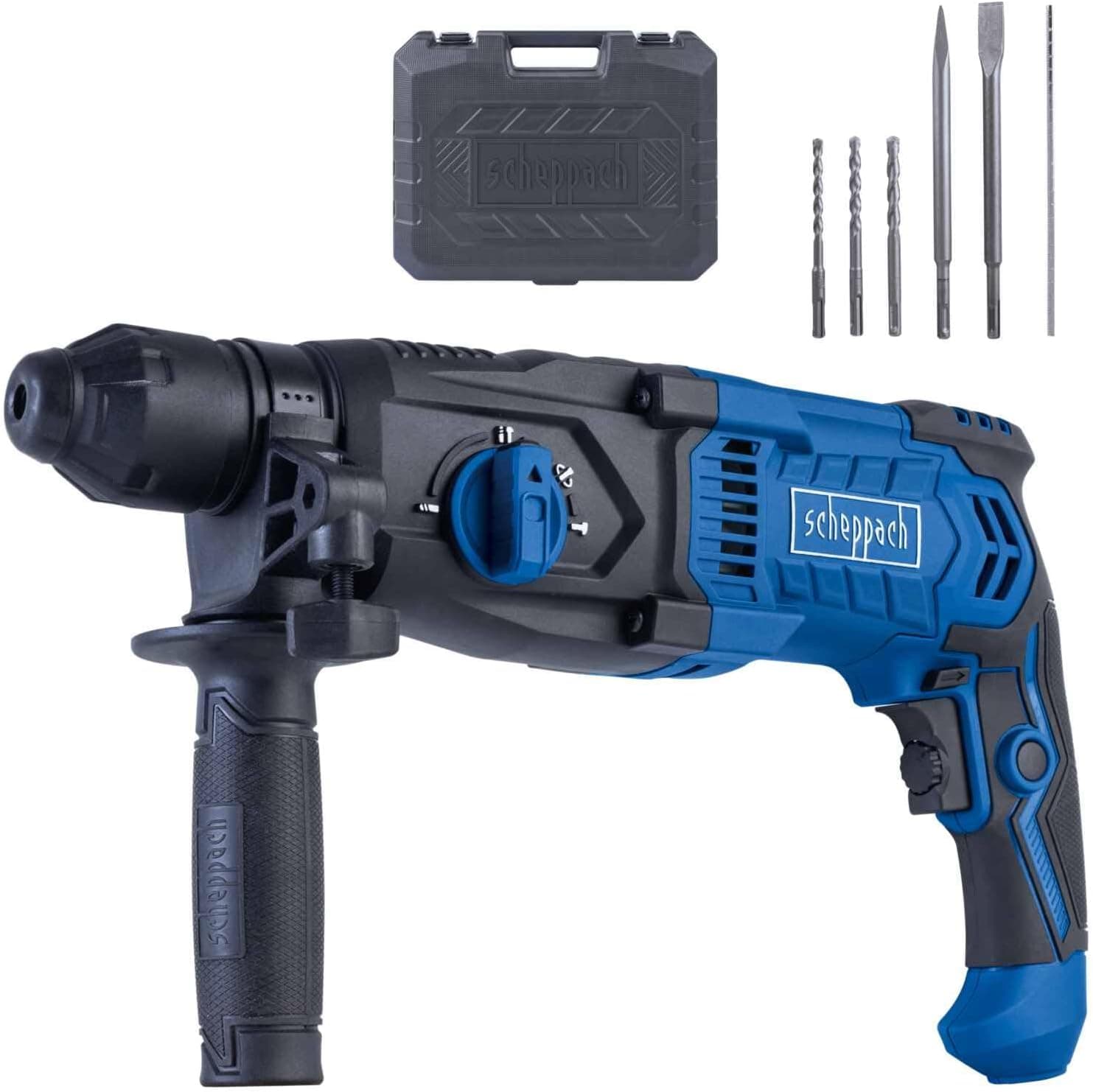
Lorsque vous rénovez une maison, construisez une extension ou que vous aménagez un jardin, vous n'avez pas besoin d'une perceuse qui fait un peu de tout — vous avez besoin d'un...
Lire l'avis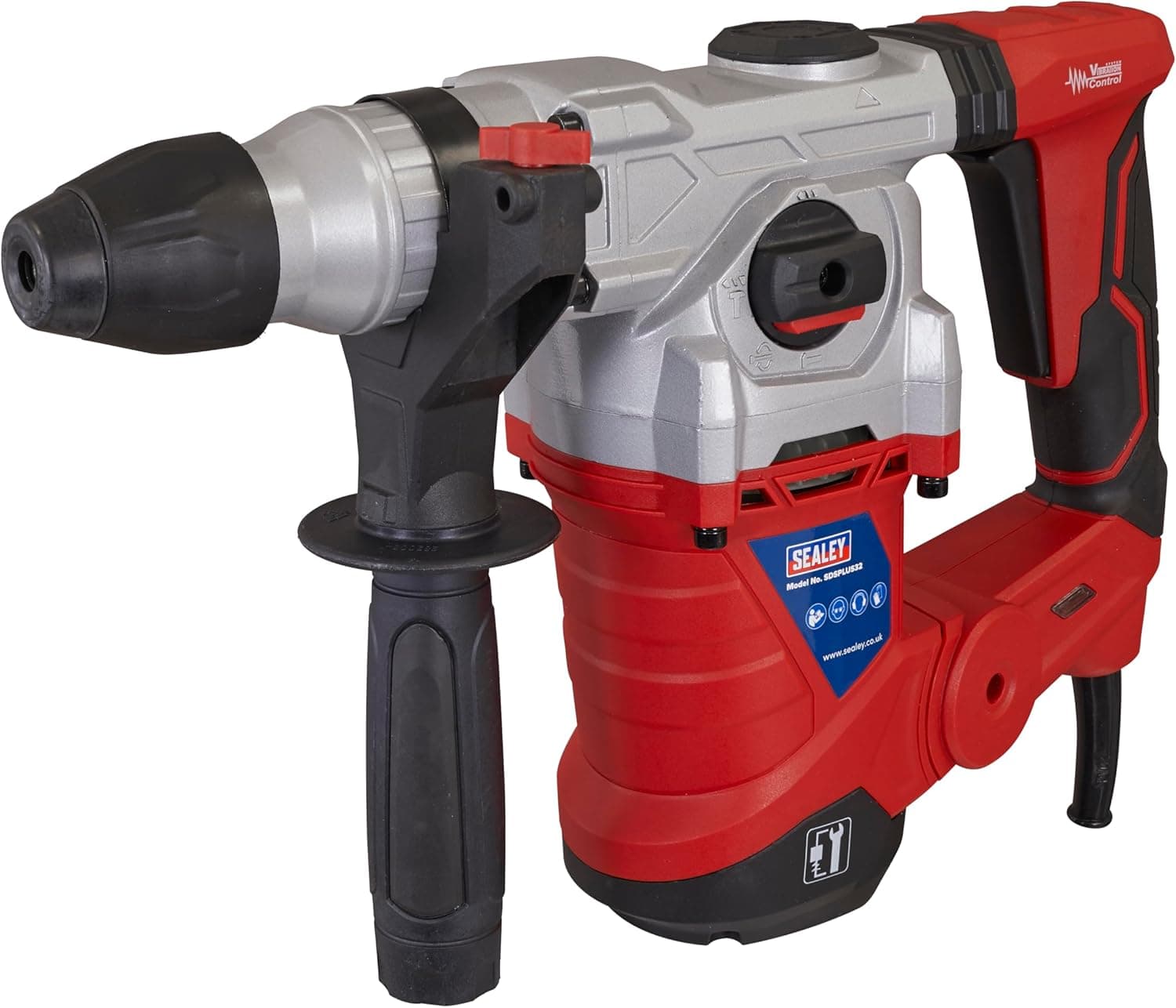
Lorsque les trous deviennent plus grands et que le béton devient plus dur, il arrive un point où un marteau rotatif standard de 800 ou 900 watts commence à travailler. Forage de...
Lire l'avis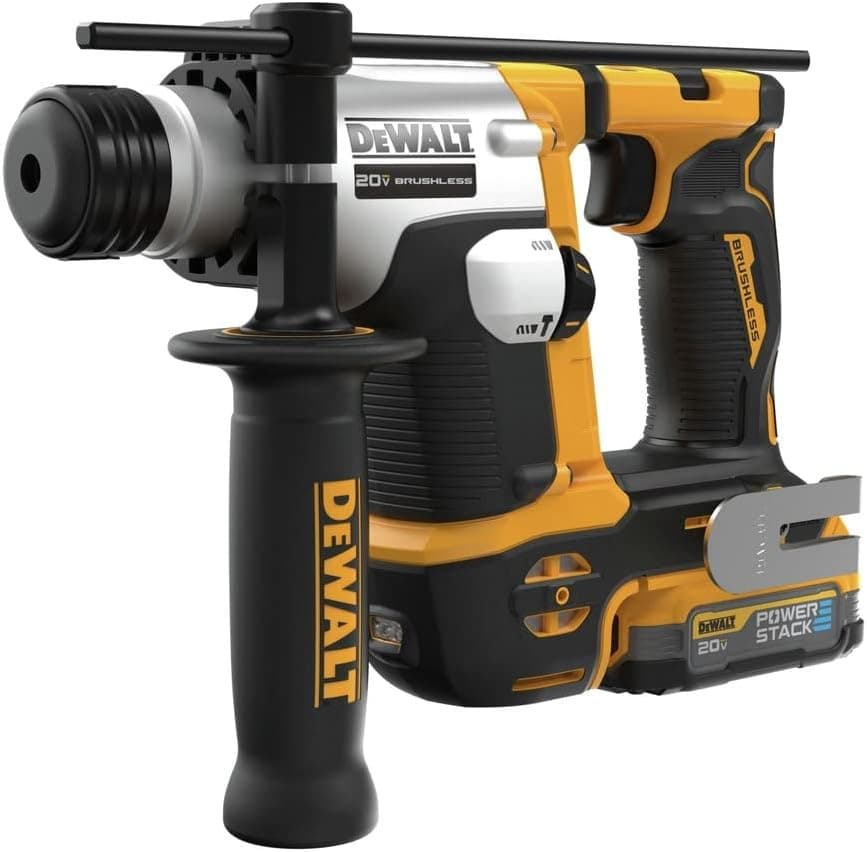
Tous les travaux qui nécessitent un marteau rotatif ne nécessitent pas le poids et la puissance d'une machine de démolition à cordon. En fait, un grand nombre de tâches...
Lire l'avis