
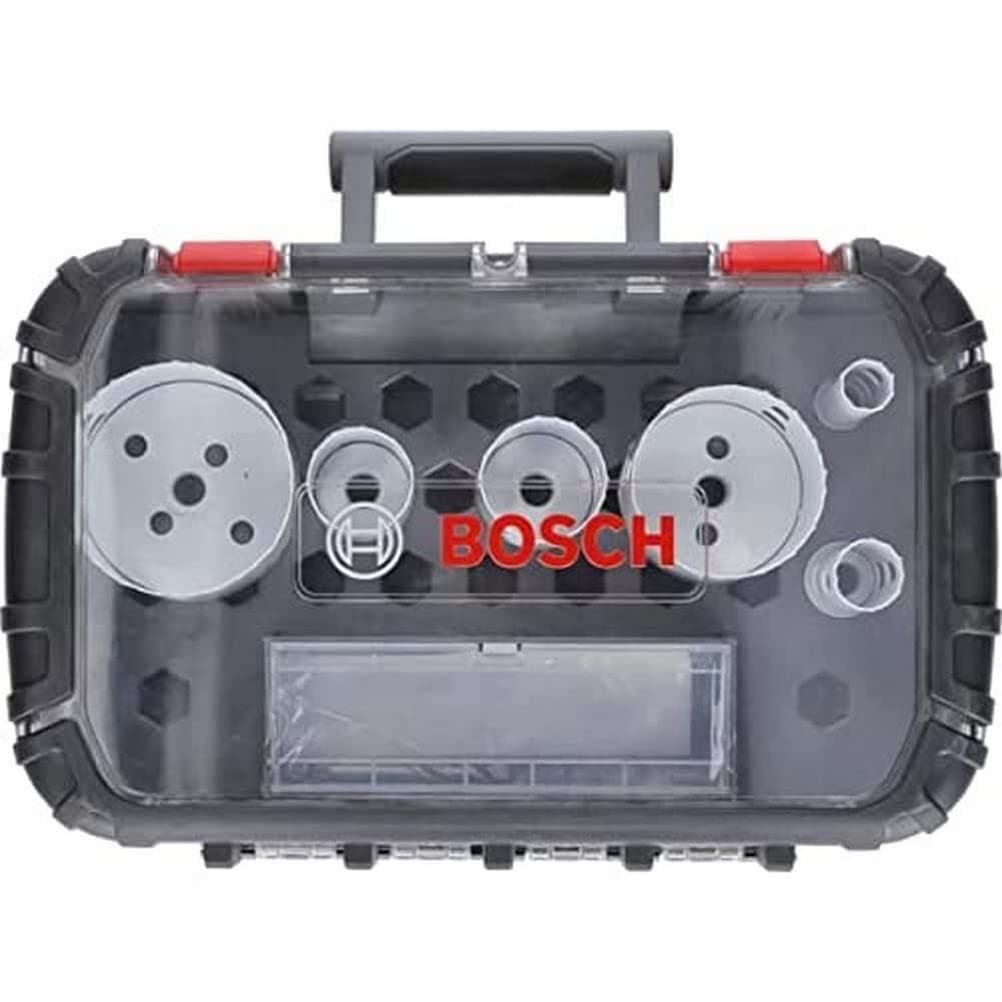
Bosch2608594190
Running cables through stud walls, fitting recessed downlights in a ceiling, or installing ventilation ducting through a cabinet — all of these jobs share one requirement: a...
Read reviewCategory guide
Running cables through stud walls, fitting recessed downlights in a ceiling, or installing ventilation ducting through a cabinet — all of these jobs share one requirement: a...
Read review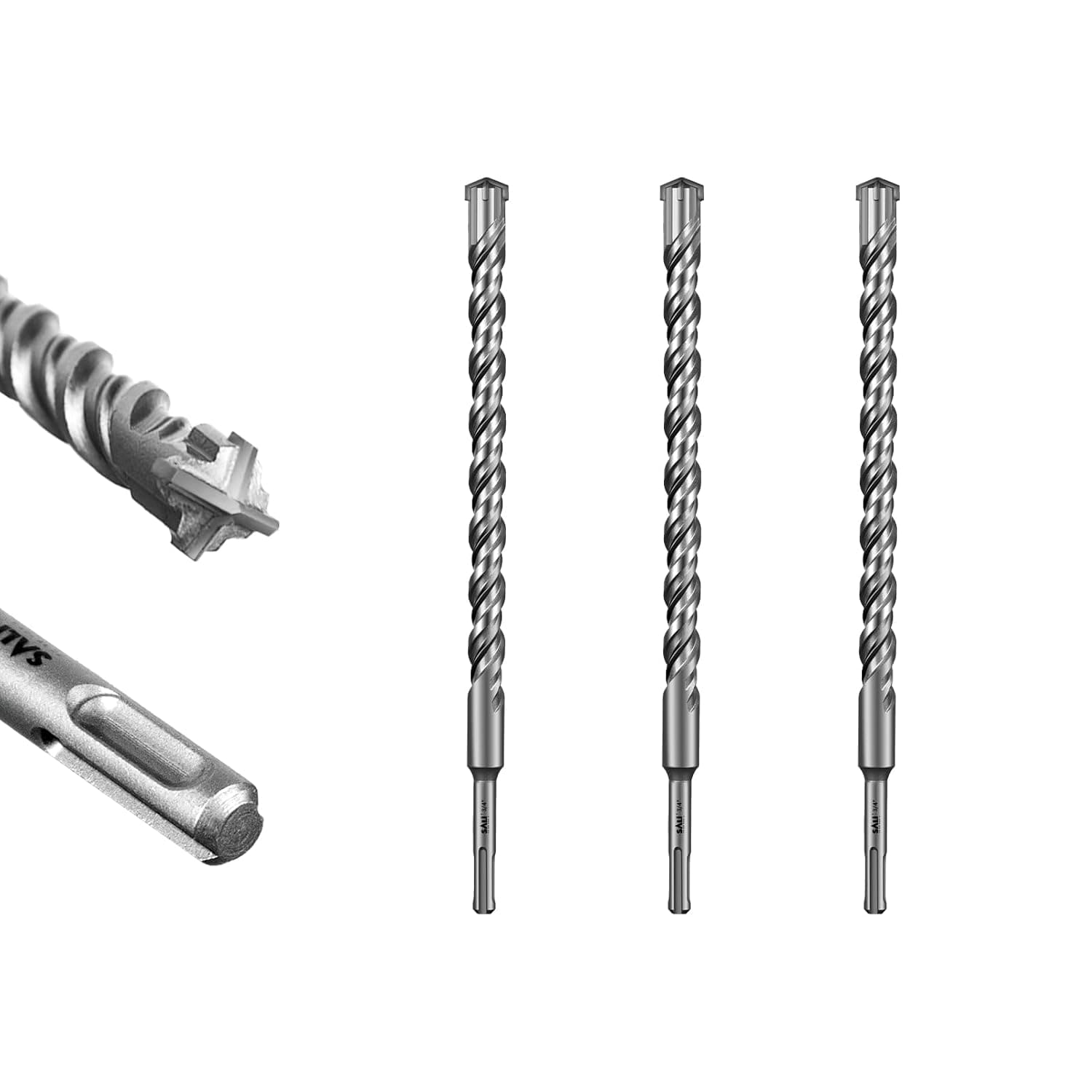
A rotary hammer is only as effective as the bit you put in it. The most powerful SDS-Plus drill on the market will struggle and skate across concrete if the bit is dull, poorly...
Read review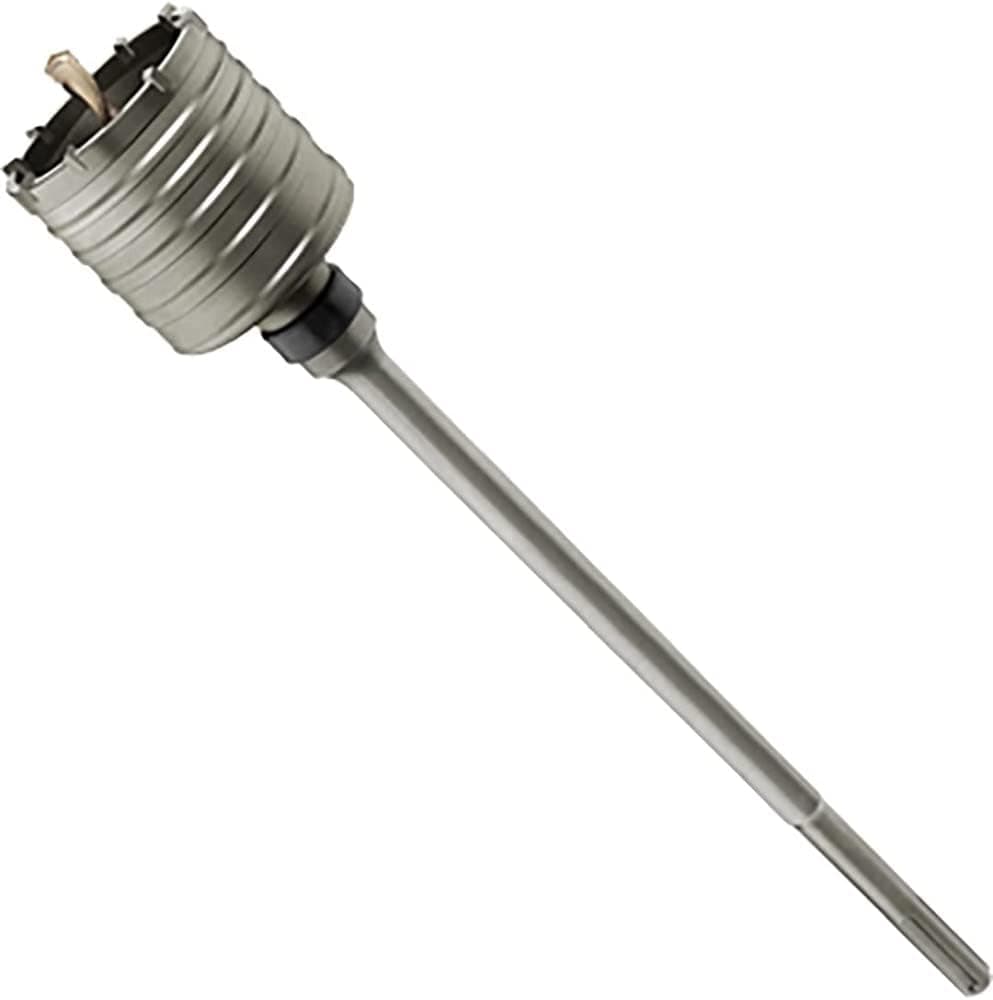
Running plumbing through a concrete floor slab, venting a bathroom extractor fan through a brick wall, installing waste pipes through foundation blockwork, or setting electrical...
Read review
Running a new electrical circuit, data cable, or plumbing line through an existing building often means drilling through walls that are far thicker than they appear. A standard...
Read review
Most rotary hammer bits are designed to drill through a single wall, a single slab, or a single structural member. But construction sometimes demands more: drilling through a...
Read review
Drilling large, precise holes through concrete, reinforced masonry, or natural stone is not something you can do with an ordinary twist bit and a standard drill. These tough...
Read review
Drilling a 20 mm hole through reinforced concrete is one of the genuine tests of a rotary hammer and its bits. The dense aggregate, the unpredictable hardness of the concrete mix,...
Read review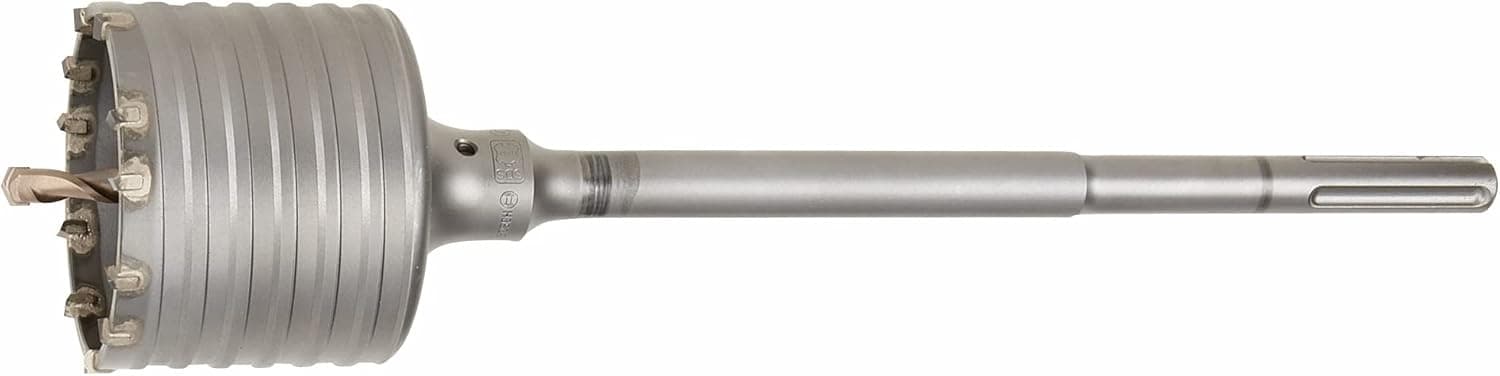
Running a 100 mm ventilation duct through a reinforced concrete wall, creating a pass-through for plumbing pipework in a foundation, or drilling a large-diameter hole for an...
Read reviewA 25 mm (1 inch) hole in concrete is the gateway size for serious structural anchoring — M20 and M24 through-bolts, heavy-duty chemical anchor capsules, and the drill diameter for...
Read review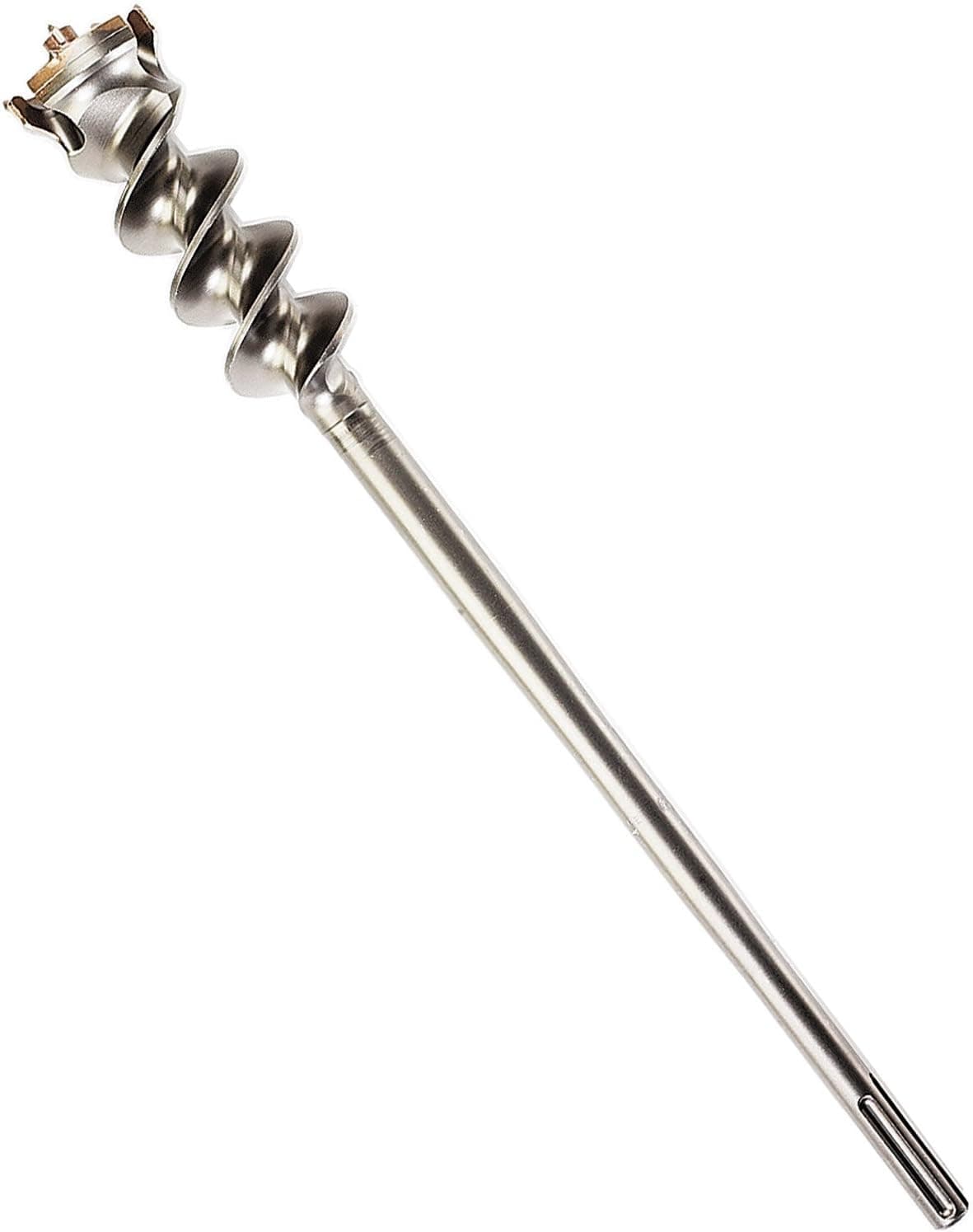
At 35 mm in diameter and over 600 mm long, this is not a bit you reach for to mount a bracket or hang a picture. This is a heavy-duty SDS-max bit built for serious concrete...
Read review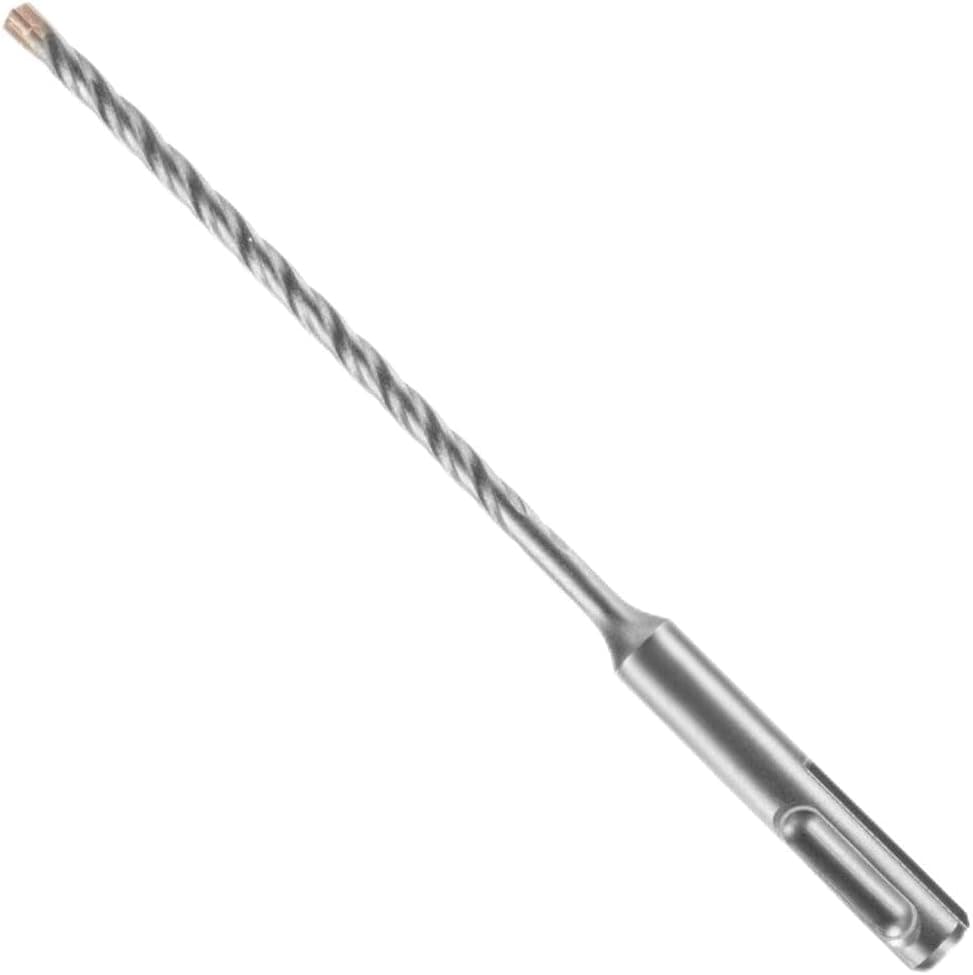
When you are drilling into reinforced concrete day after day — hitting rebar, grinding through dense aggregate, and pushing bits to the limit of their working life — the cost of a...
Read review
Drilling into concrete, brick, or block is only as efficient as the bit you put in the chuck. A worn, low-quality, or wrong-sized masonry bit turns what should be a ten-second...
Read review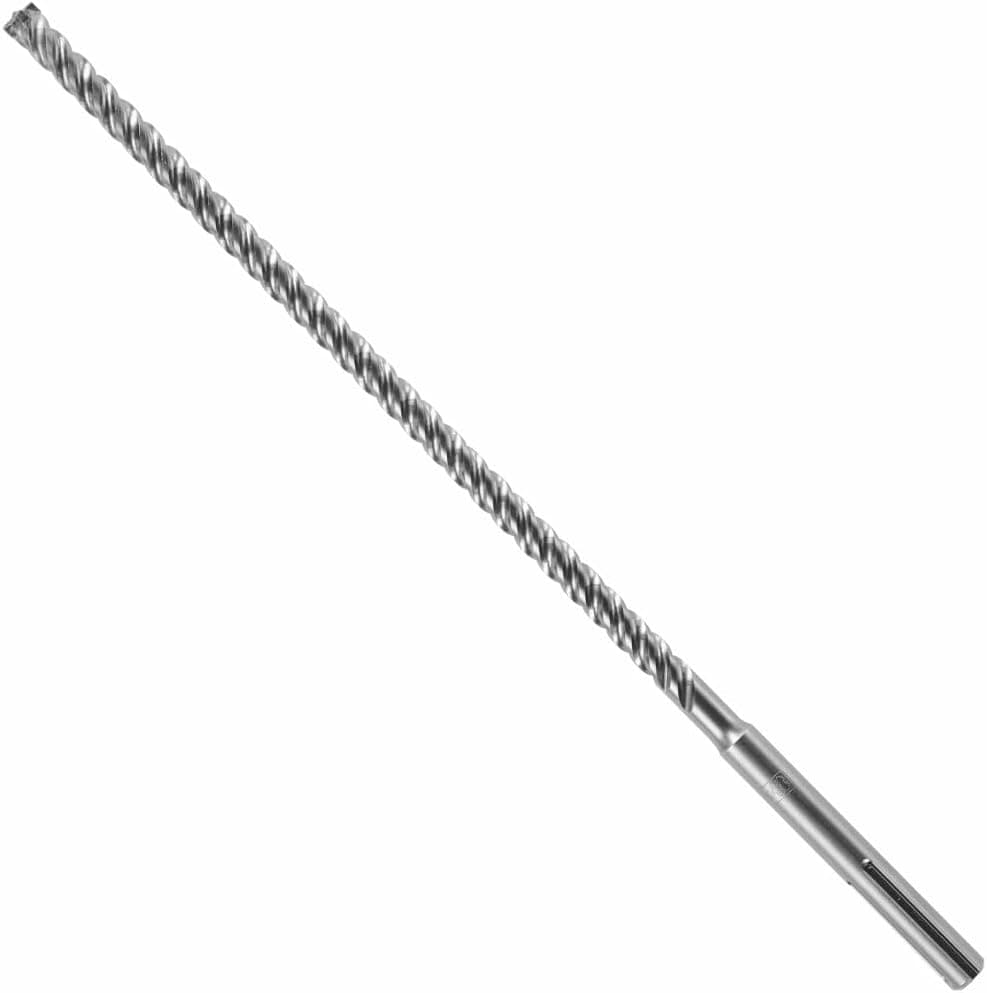
Drilling into plain concrete is straightforward. Drilling into reinforced concrete — the kind found in virtually every structural element built in the last century — is a...
Read review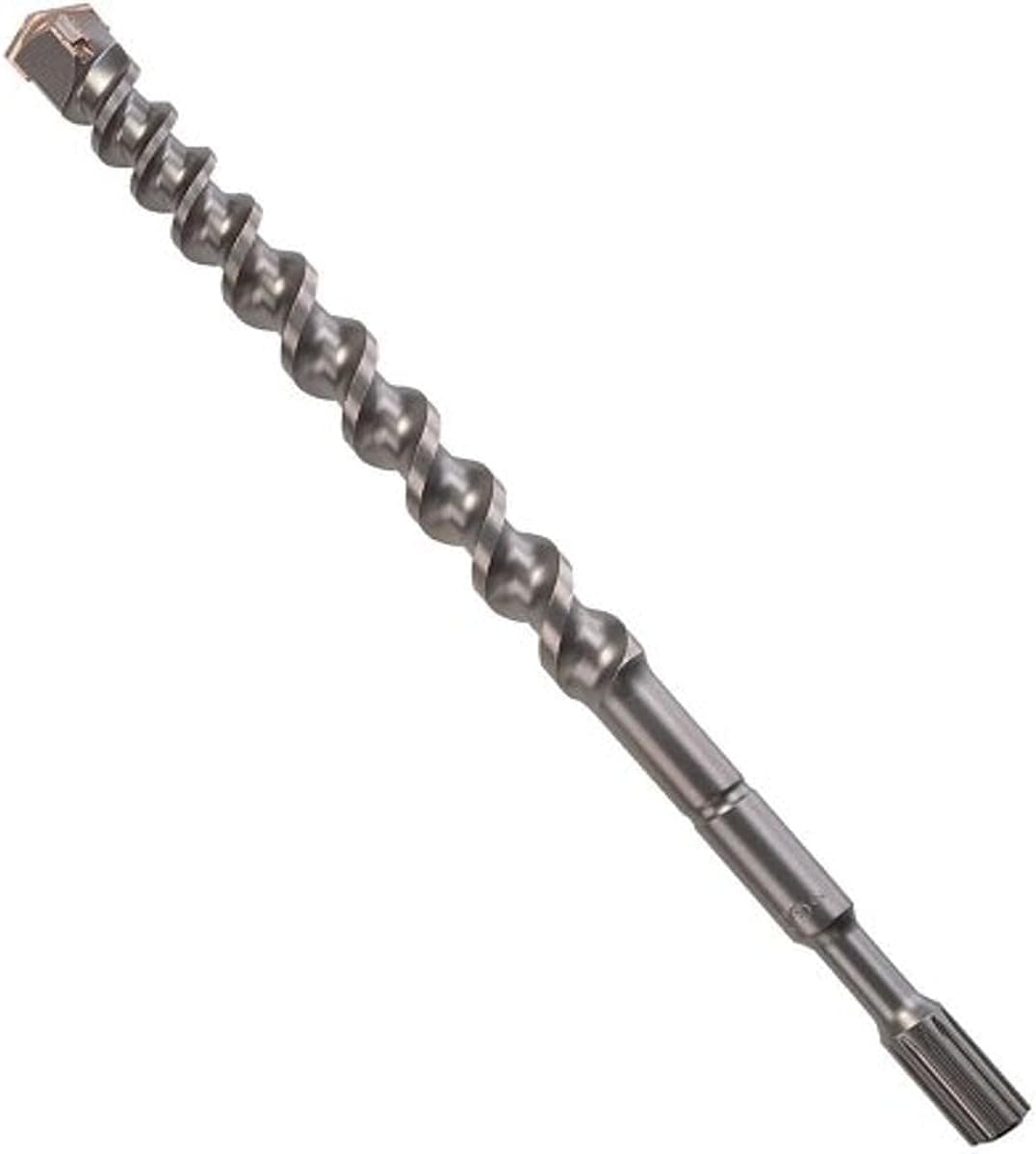
A rotary hammer is only as effective as the bit you put in it. The best 4-joule SDS-plus hammer in the world will drill slowly, wander off centre, and wear itself out prematurely...
Read review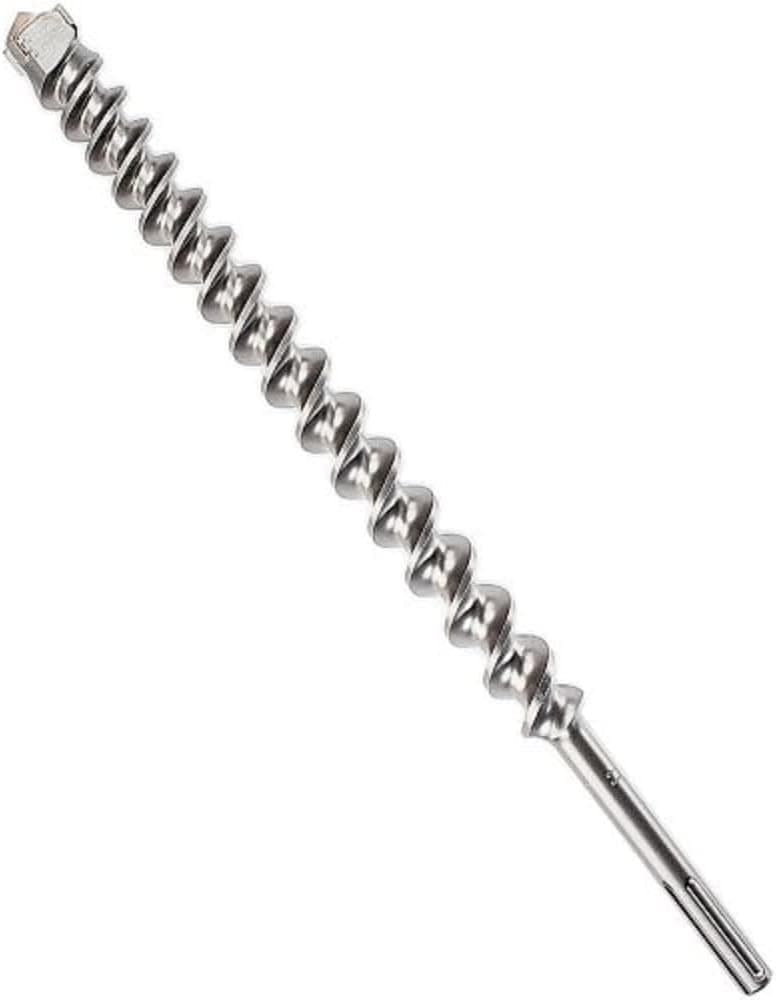
At 32 mm in diameter and over half a metre long, this SDS-max bit is built for the kind of holes that standard bits cannot reach — through thick foundation walls for drainage...
Read review
When a standard SDS-plus bit hits its limit at around 16 or 20 mm in diameter, and the job calls for a 22 mm hole through reinforced concrete — for a heavy-duty anchor bolt, a...
Read review
When you need to drill a hole 51 mm in diameter through a solid concrete wall, a standard twist drill bit is not an option — the forces would destroy the bit and the hammer too....
Read review
There is a point where SDS-Plus reaches its limit and the job demands the step up to SDS-Max. When you are drilling 25 millimetre and larger holes for heavy structural anchors,...
Read review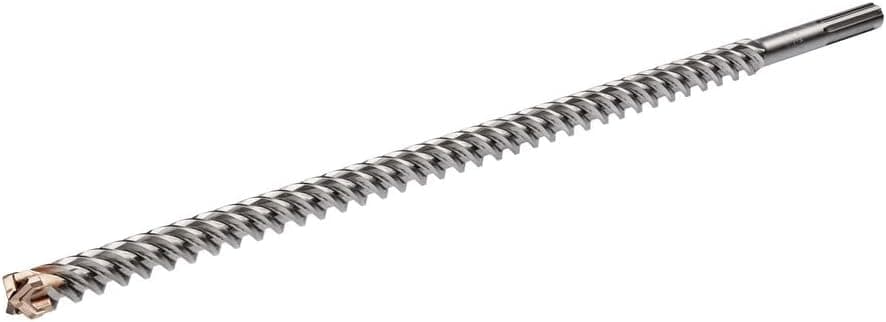
When standard-length bits bottom out before they reach the far side of a thick foundation wall, structural column, or multi-layer masonry construction, a long-reach SDS-max bit is...
Read review
When a standard two-cutter SDS-max bit starts to dull in hard concrete, progress slows, the bit runs hot, and the operator compensates with more pressure — which accelerates wear...
Read review