
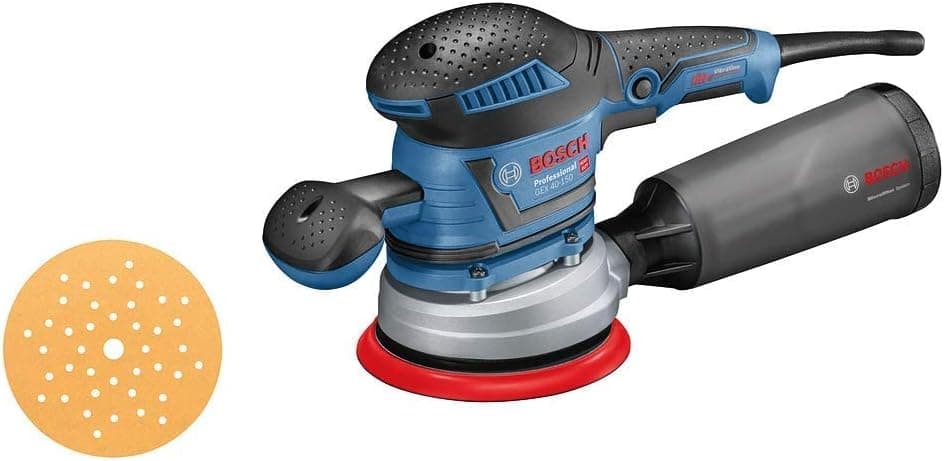
Bosch Professional060137B202
In a professional workshop, the sander is not a tool you use once in a while — it is in your hands for hours every single day. That kind of sustained use exposes every shortcoming...
Read reviewCategory guide
In a professional workshop, the sander is not a tool you use once in a while — it is in your hands for hours every single day. That kind of sustained use exposes every shortcoming...
Read review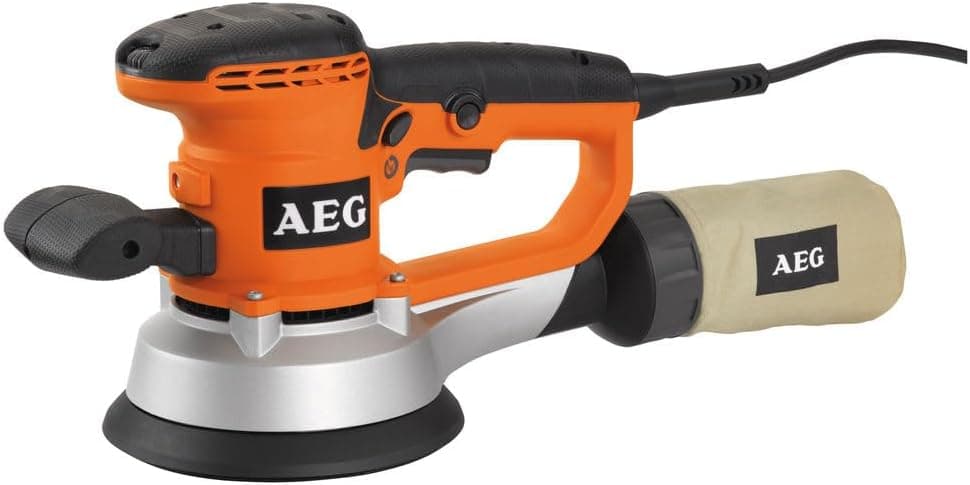
Sanding is the job that separates good woodworking from great woodworking. You can cut the finest joinery and assemble everything with millimetre precision, but if the final...
Read review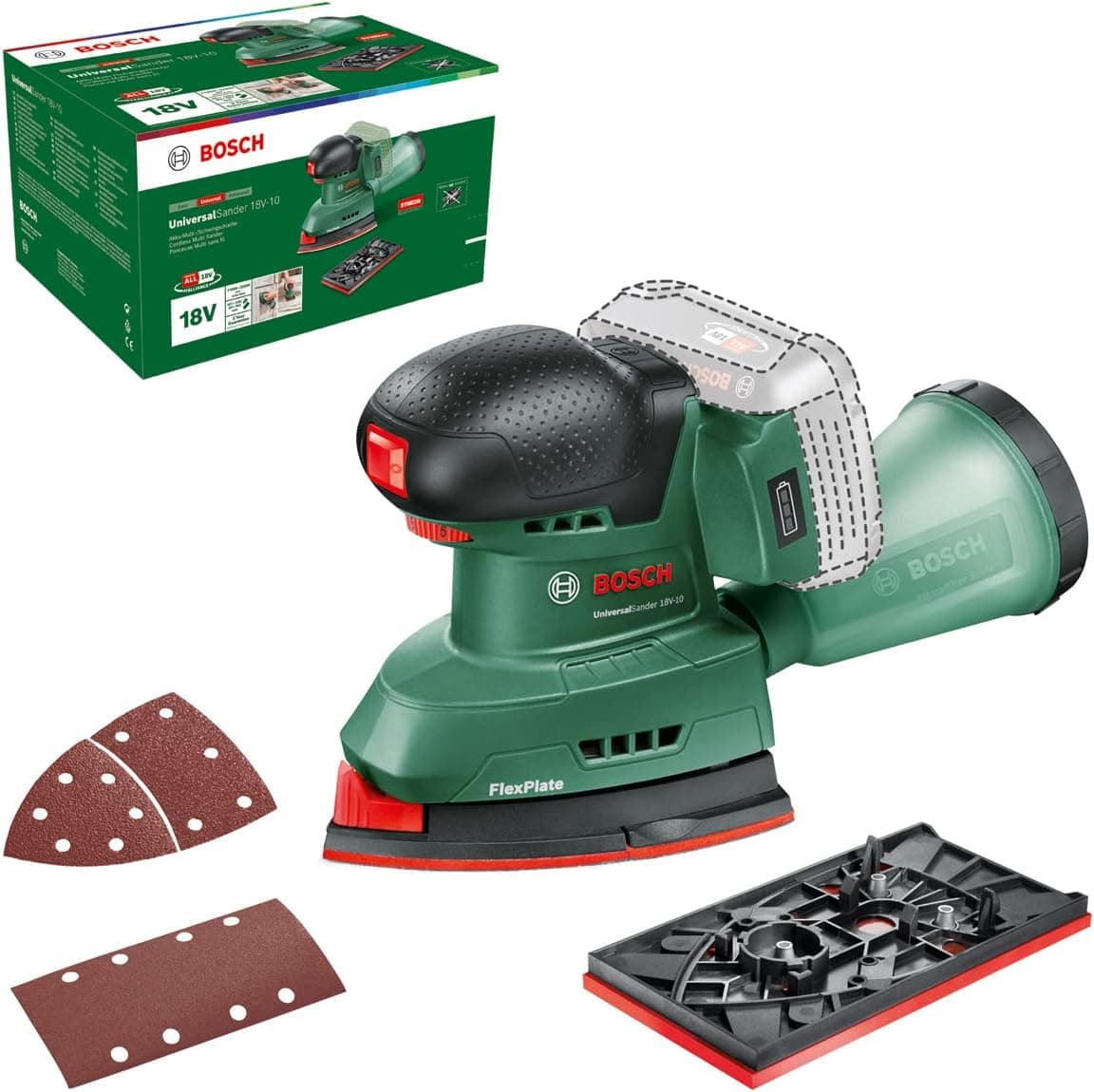
Sanding is one of those tasks where a power cable quickly becomes the most annoying part of the entire process. It snags on the corner of the workbench, gets caught under the...
Read review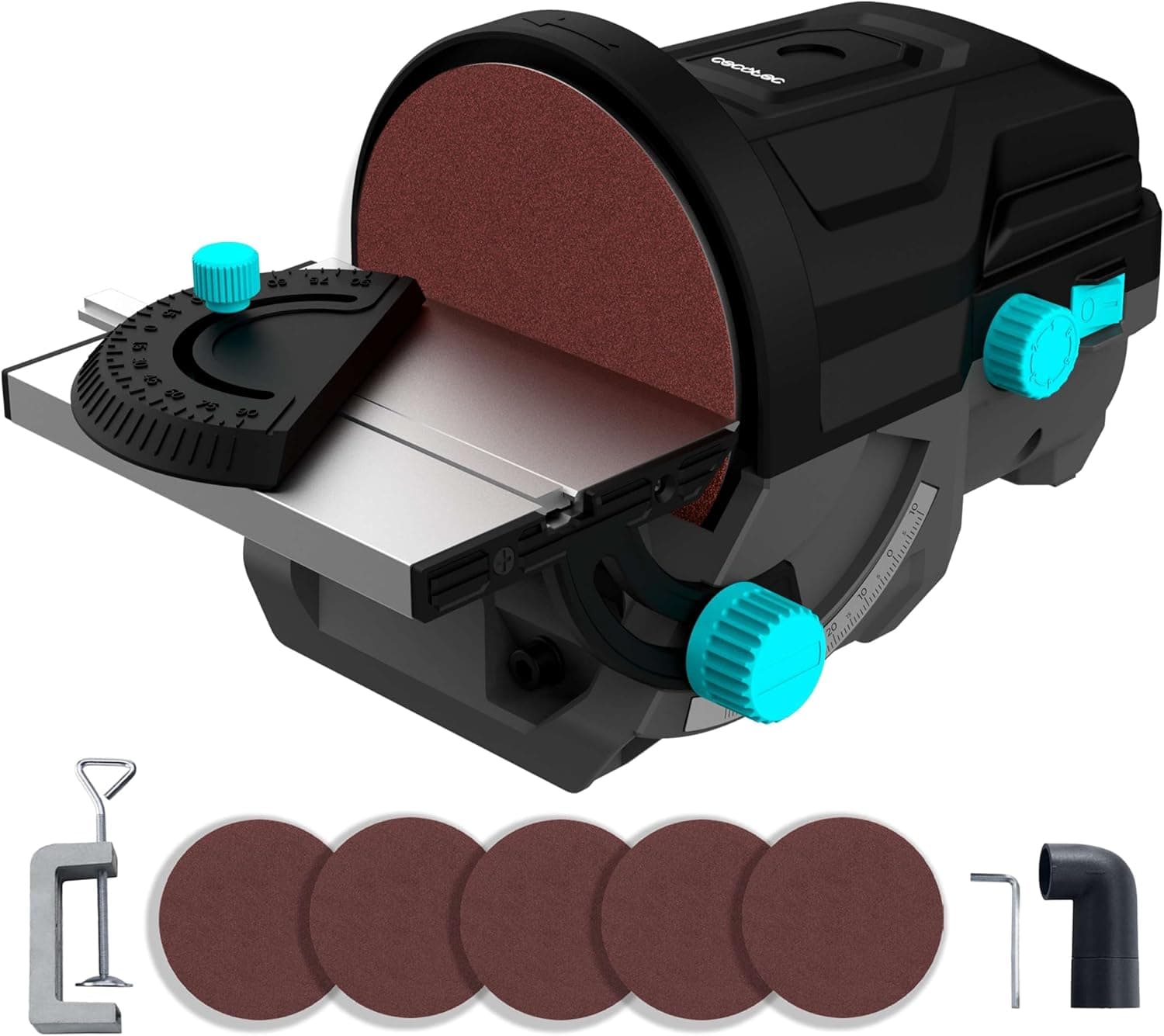
Precision sanding — squaring up a cut edge, bevelling a corner, or shaping a small wooden workpiece — is frustratingly difficult with a hand-held sander. The tool wobbles, the...
Read review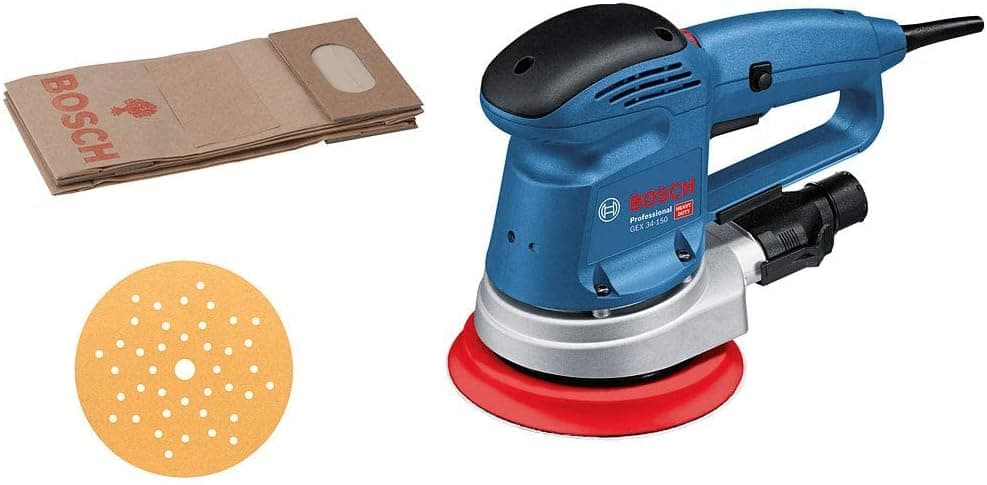
Achieving a glass-smooth surface on a large wooden tabletop, a set of kitchen cabinet doors, or a freshly plastered wall is as much about the tool as it is about the technique....
Read review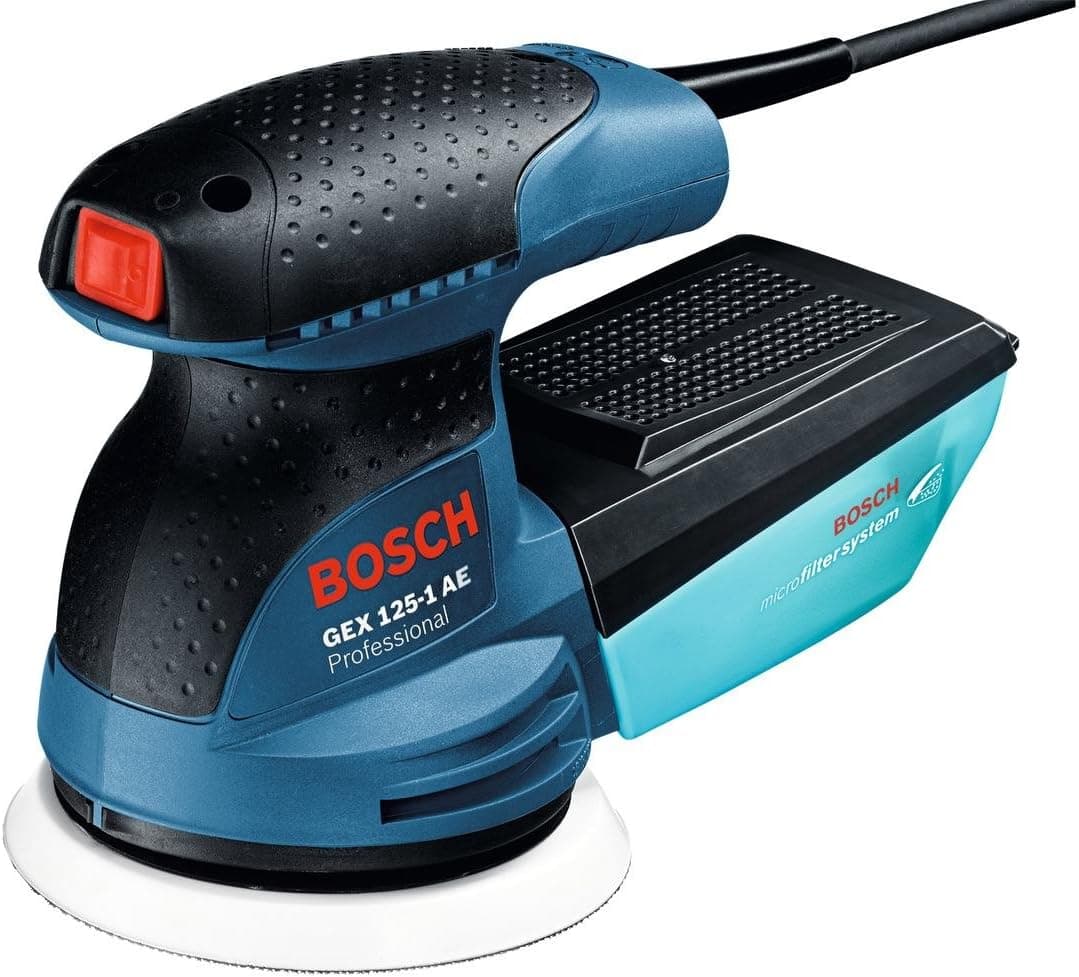
Achieving a flawless, swirl-free surface on wood, metal, or painted surfaces before applying a finish is what separates amateur projects from professional results. A random...
Read review
When you are working on a large flat surface — a solid oak worktop, a set of hardwood doors, a boat deck, or a timber floor — a compact finishing sander can feel like you are...
Read review
Achieving a perfectly flat, swirl-free surface on body filler, primer, or bare wood is one of those tasks where the tool makes all the difference. A random-orbital sander — one...
Read review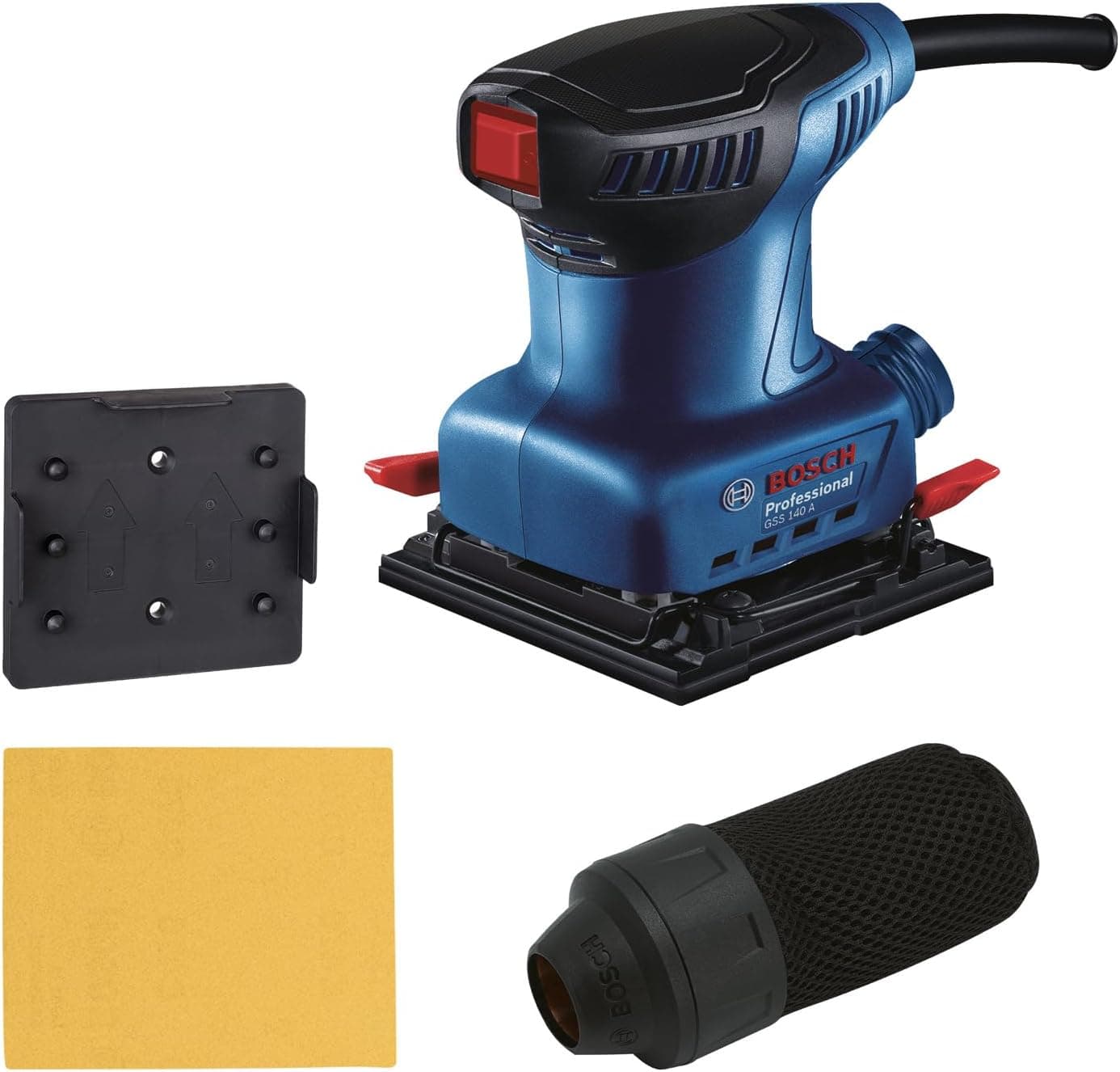
There is a point in every woodworking and decorating project where the aggressive cutting is done and what you need is finesse. The surface is flat, the shape is right, but it...
Read review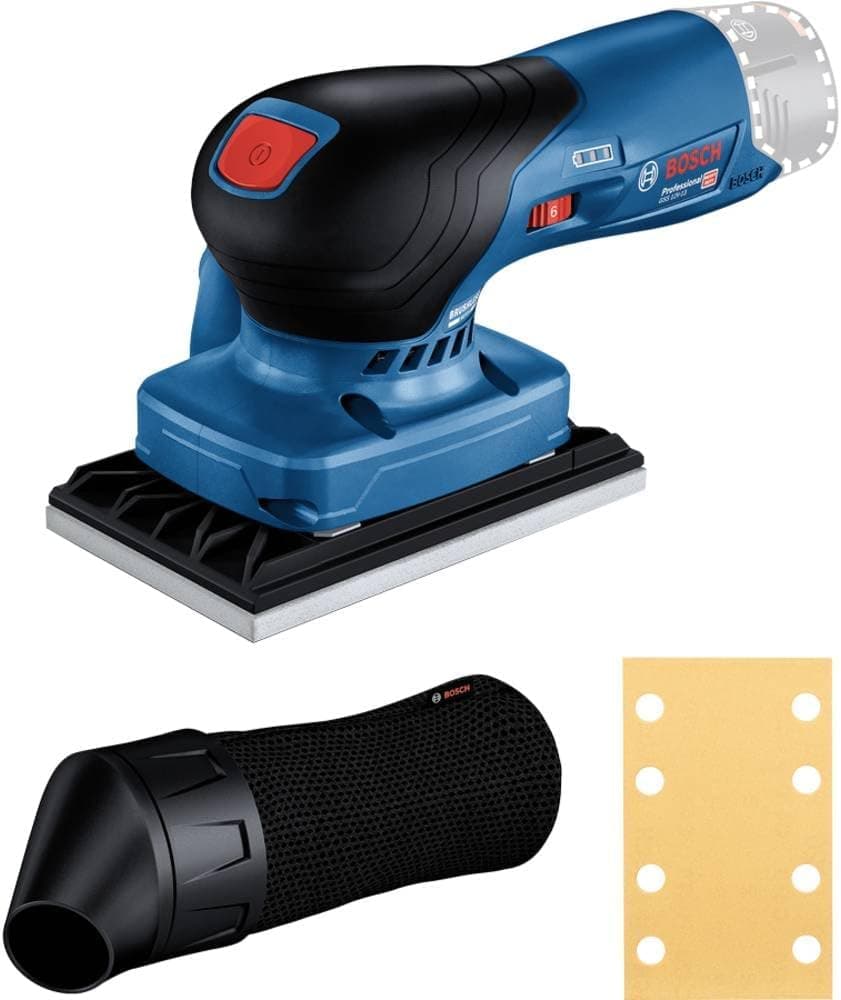
There is a moment in every woodworking or decorating project when the heavy work is done and all that remains is the final surface — the last pass before stain, varnish, or paint...
Read review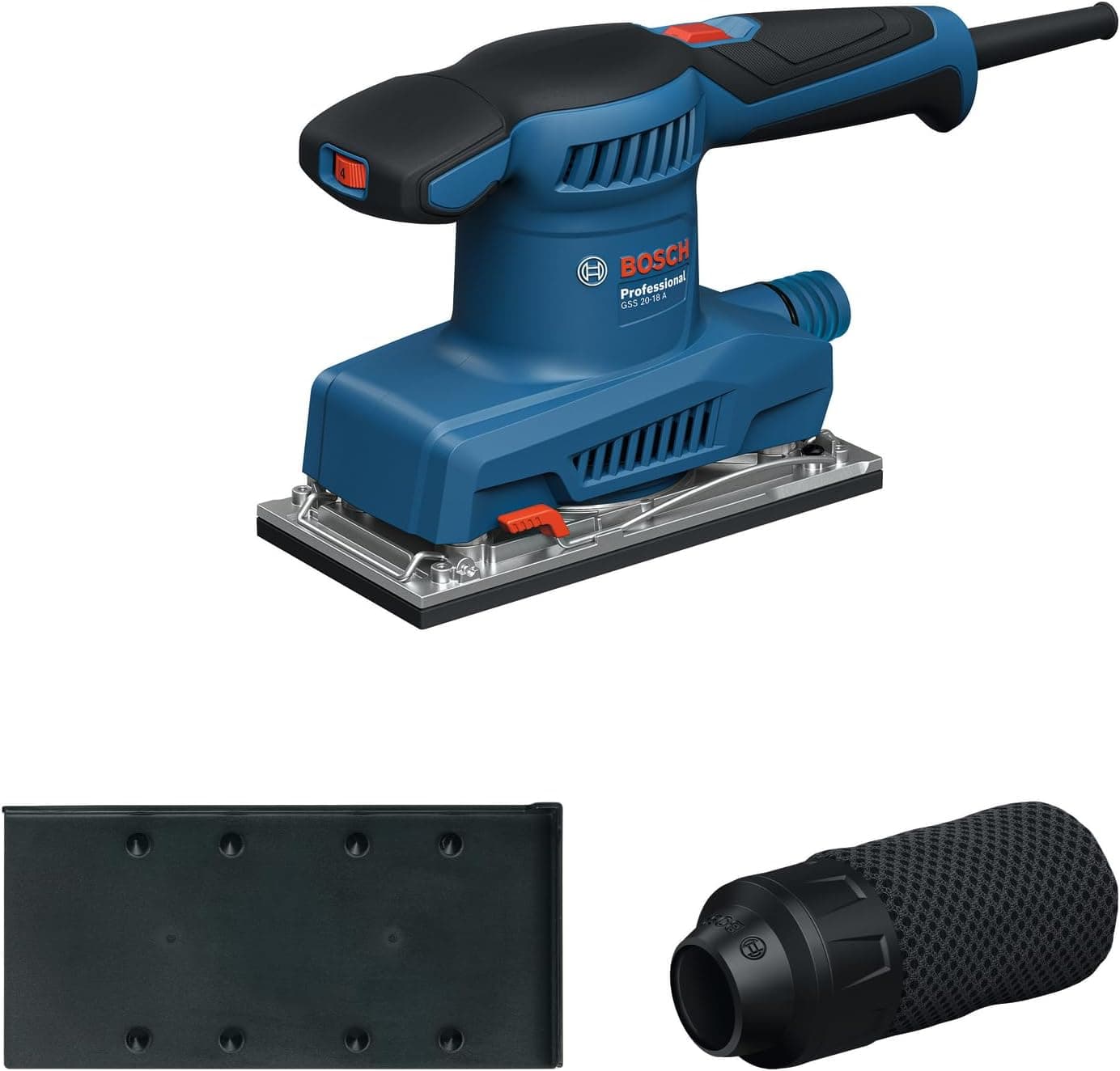
A smooth, flat surface is the foundation of good woodworking. Whether preparing a timber worktop for oiling, sanding filler on a repaired wall, or smoothing a newly built...
Read review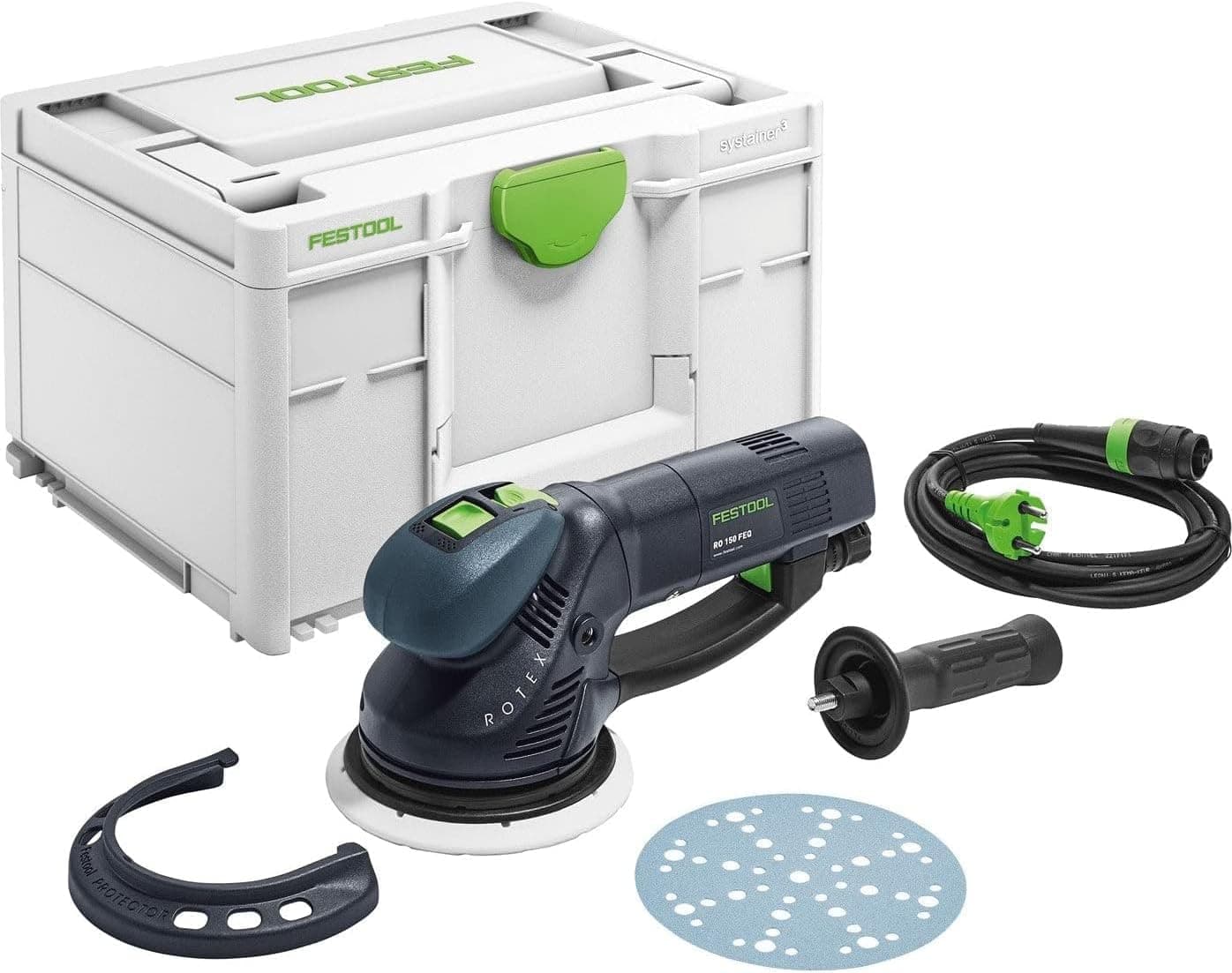
In the world of surface preparation, there is a fundamental tension between speed and finish quality. Belt sanders and angle grinders remove material astonishingly fast but leave...
Read review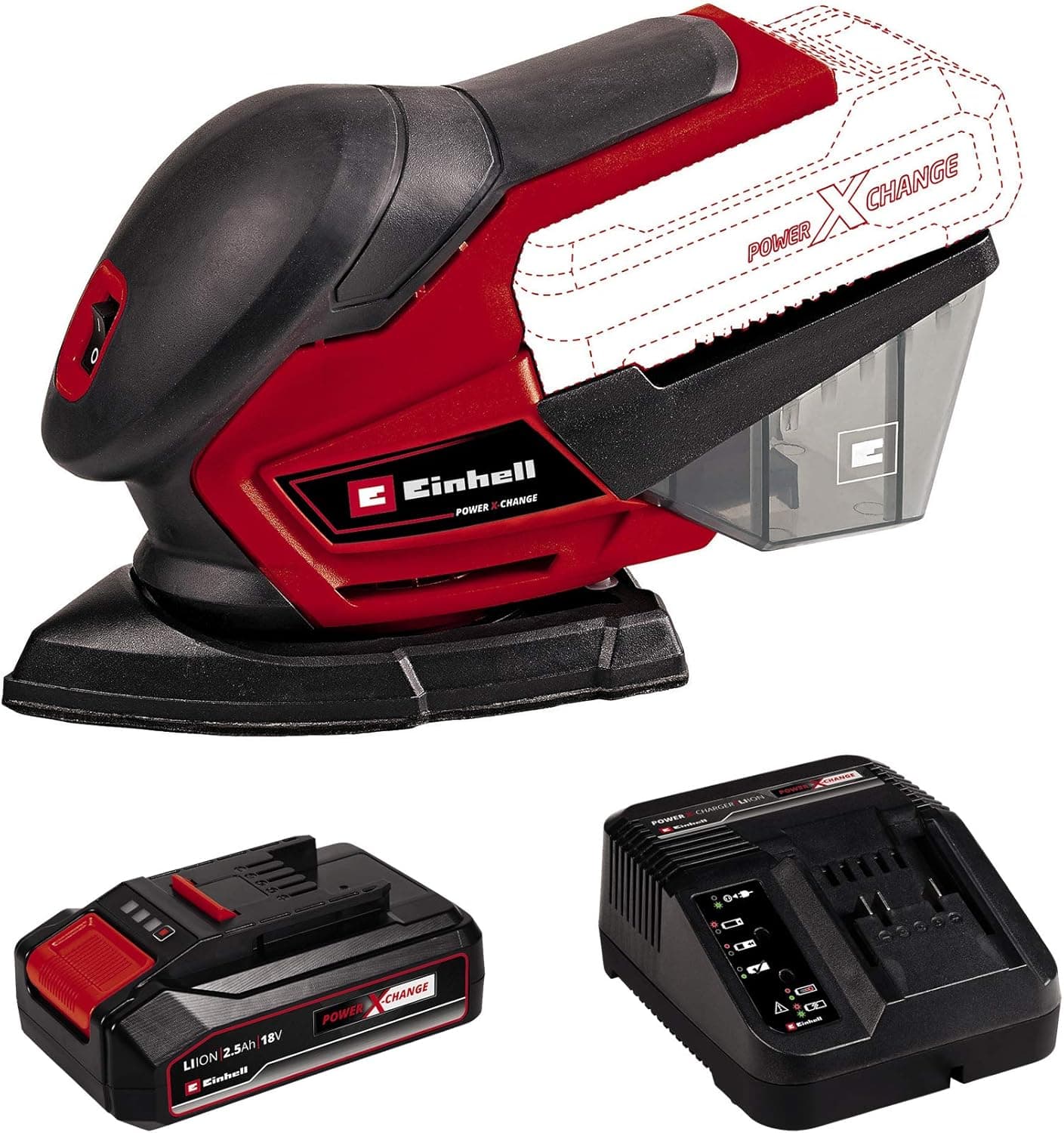
Not every sanding job needs the aggressive material removal of a belt sander or the large-pad coverage of a random orbital. When you are sanding into corners, working along...
Read review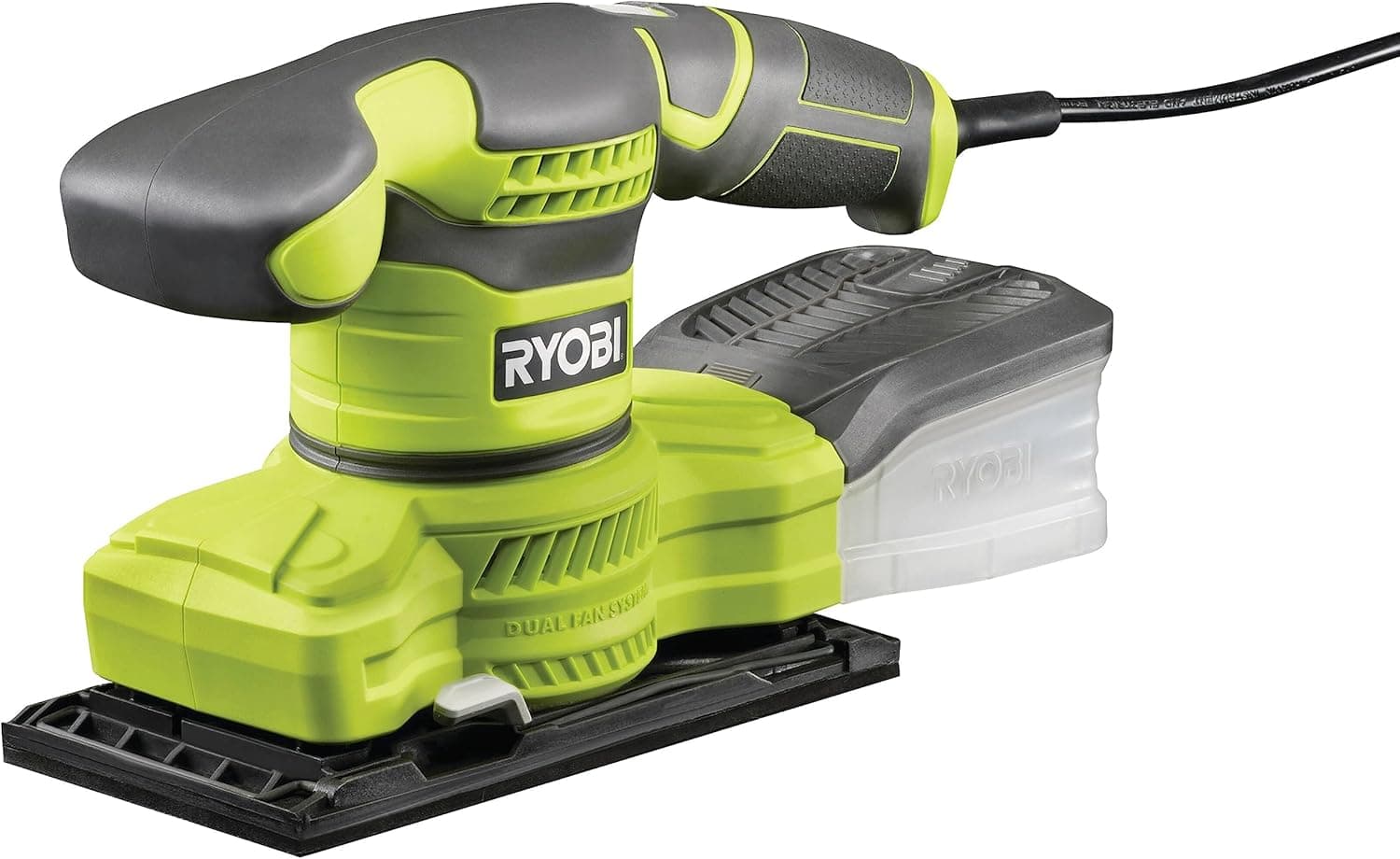
Achieving a smooth, even surface before painting, varnishing, or staining is one of those jobs that separates a rushed DIY project from one that looks properly finished. A sheet...
Read review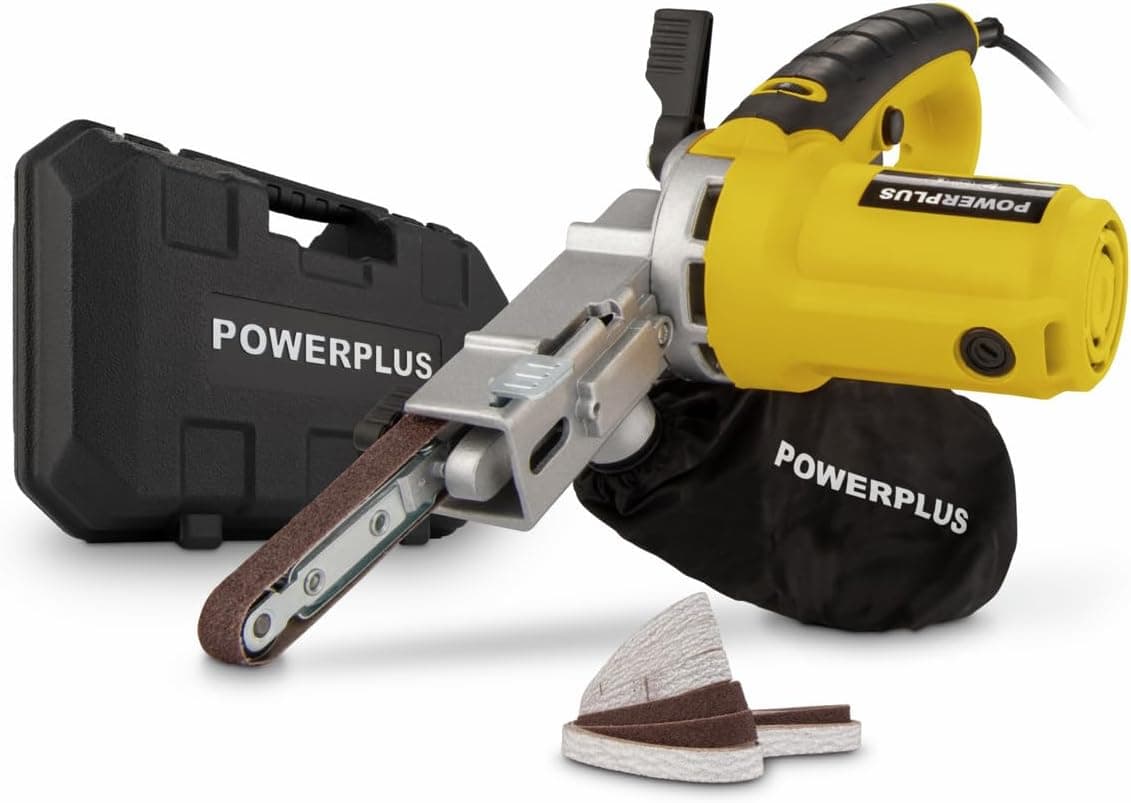
Every woodworking or metalworking project eventually reaches a point where your main sander simply cannot reach. The inside corner of a window frame, the curved profile of a...
Read review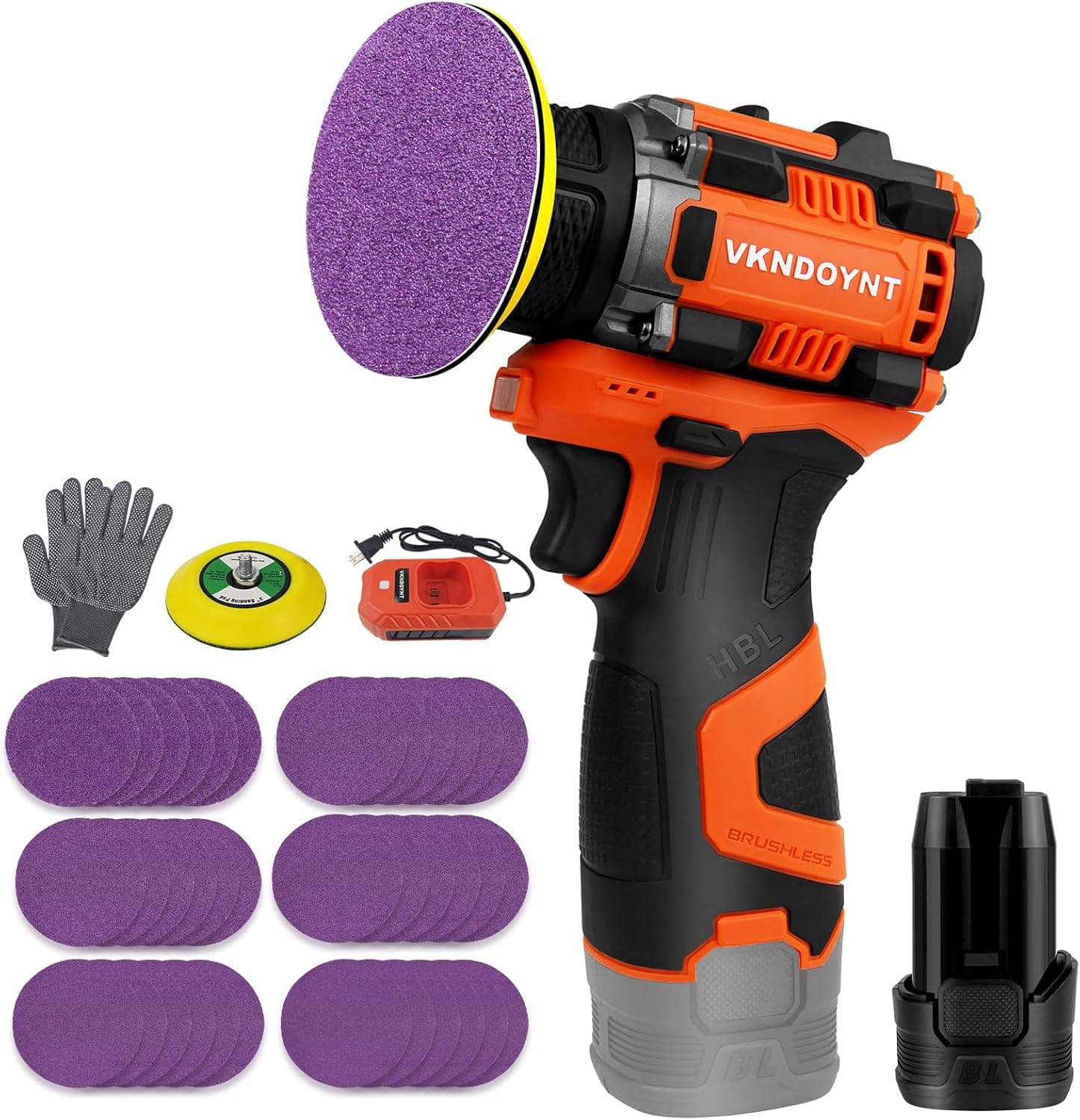
Getting into corners, along edges, and into tight curves is where most sanders fall short. A full-size orbital sander covers large flat surfaces beautifully, but the moment you...
Read review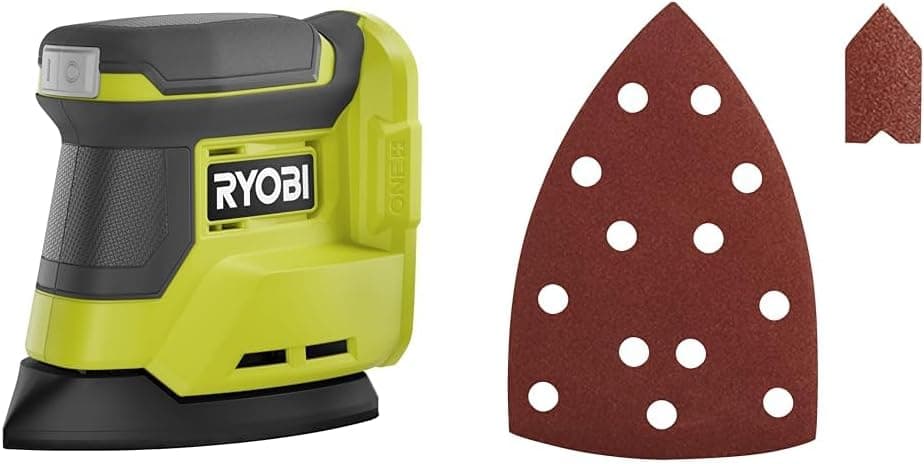
Every woodworking or decorating project eventually arrives at the moment where the big tools have done their work and what remains are the details. The corners where two pieces of...
Read review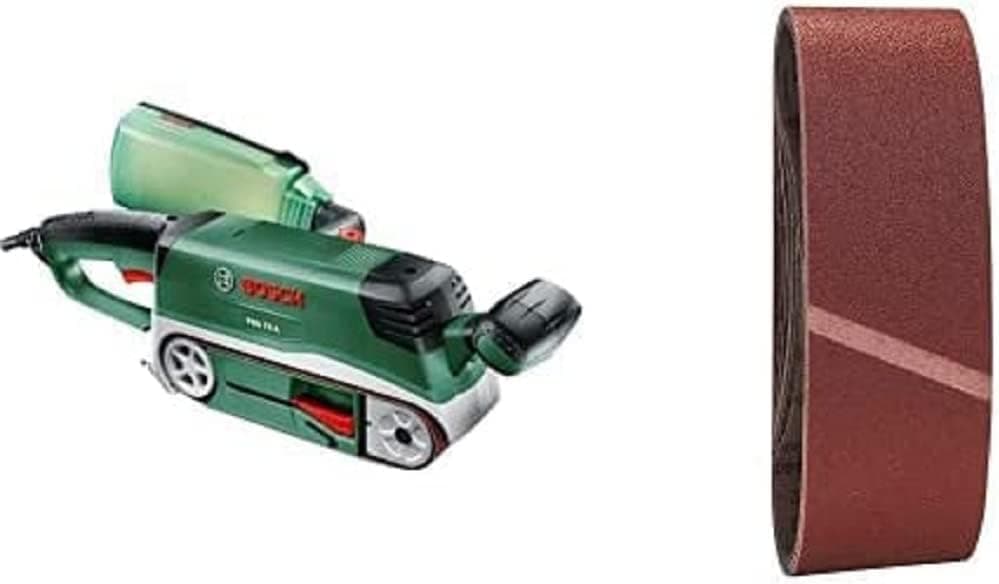
Some sanding jobs are too large, too rough, or too urgent for an orbital sander. Stripping old varnish from a solid wood door, levelling a glued-up worktop joint, removing deep...
Read review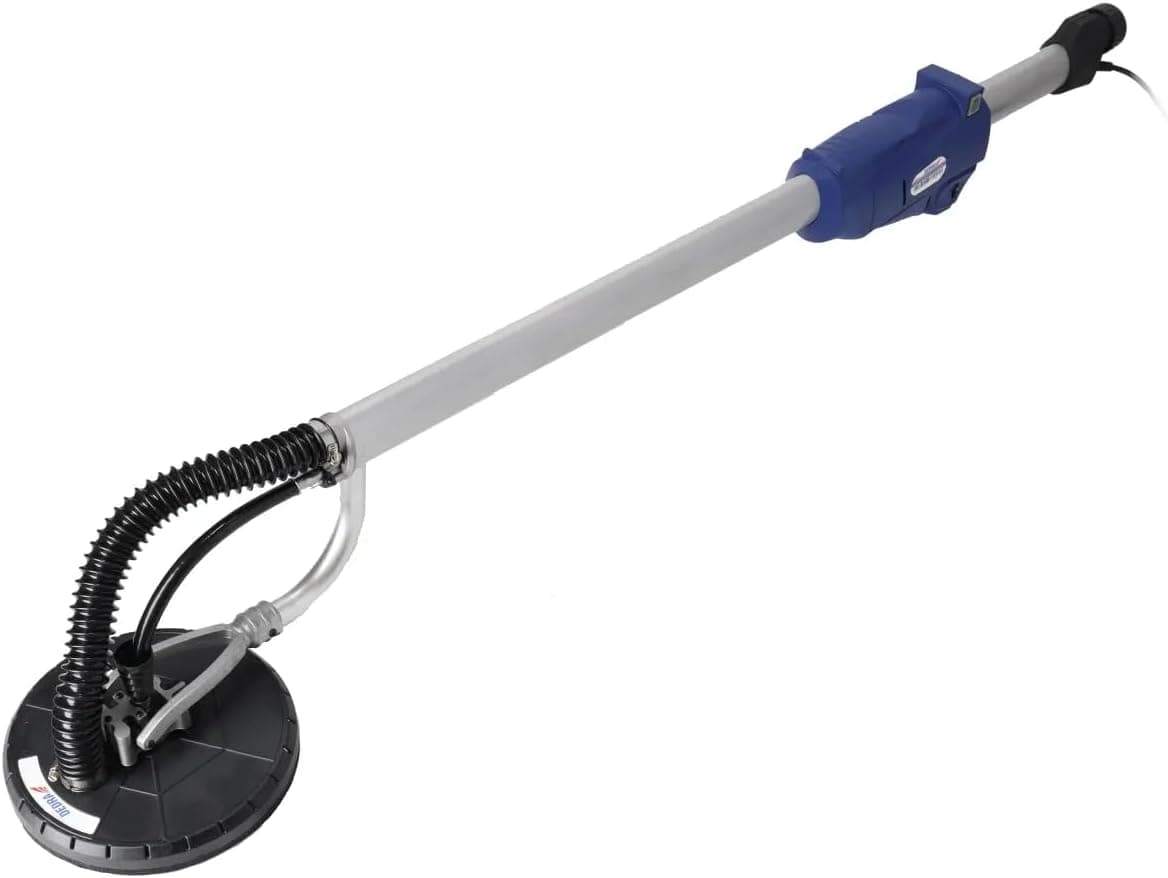
Sanding a freshly plastered wall or ceiling is one of those jobs that separates the professionals from the weekend warriors — not because it requires special skill, but because...
Read review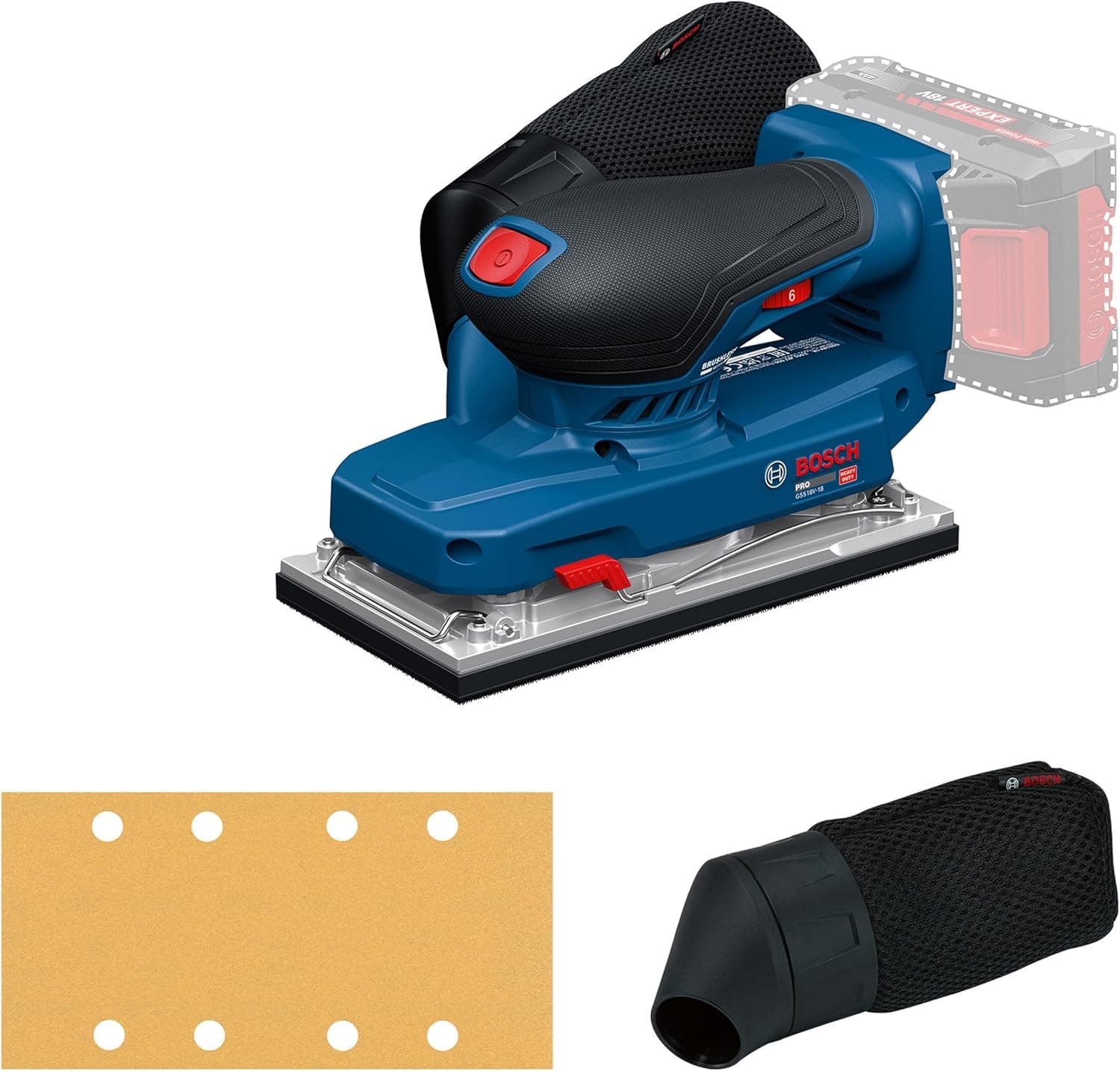
The difference between a good woodworking project and a great one often comes down to the quality of the final surface. No amount of careful joinery, precise measurements, or...
Read review