
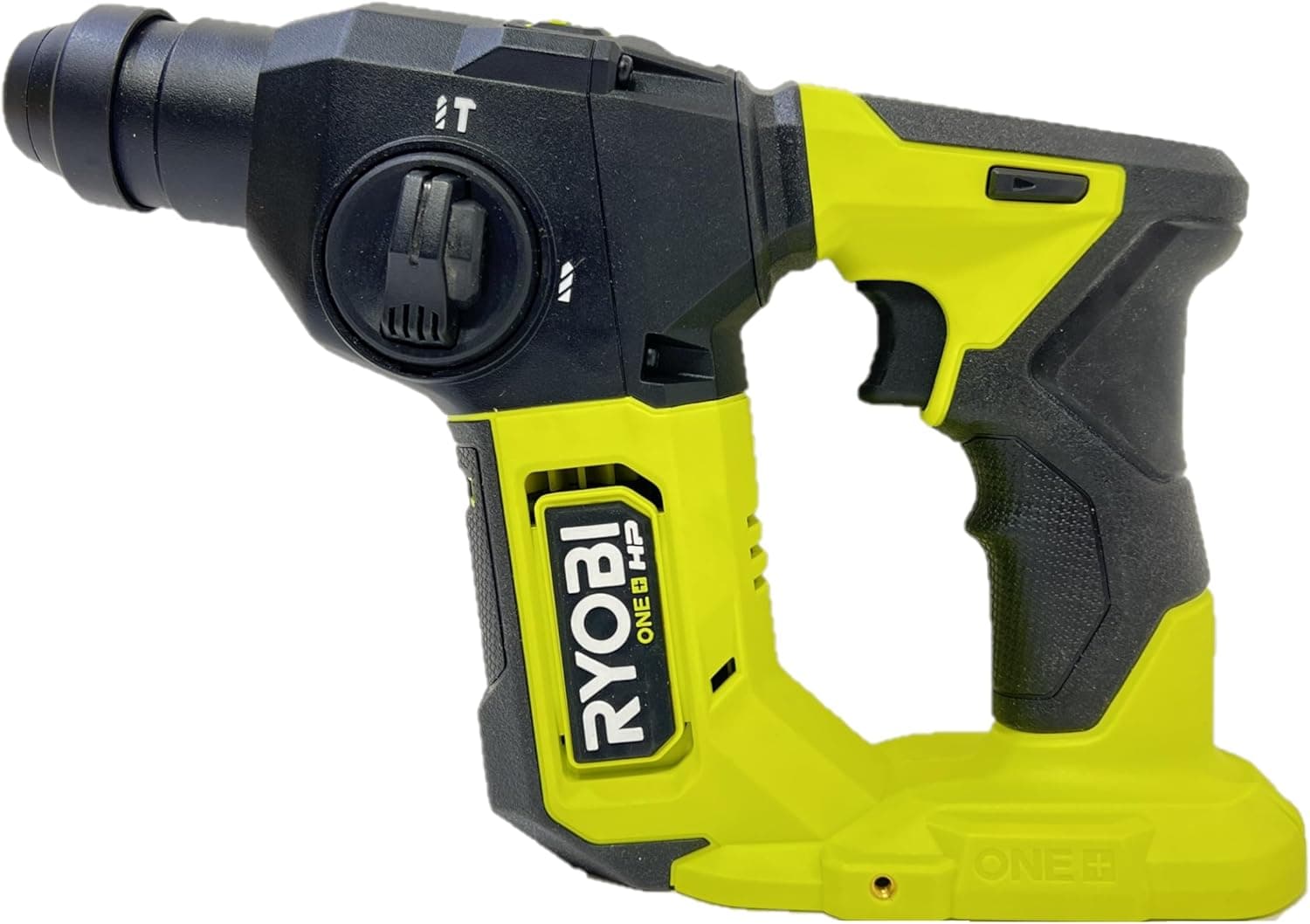
RYOBI#PSBRH01B
Drilling a hole into concrete, brick, or stone with a standard hammer drill is a test of patience — and sometimes of your willingness to accept a crooked, half-finished hole...
Read reviewCategory guide
Drilling a hole into concrete, brick, or stone with a standard hammer drill is a test of patience — and sometimes of your willingness to accept a crooked, half-finished hole...
Read review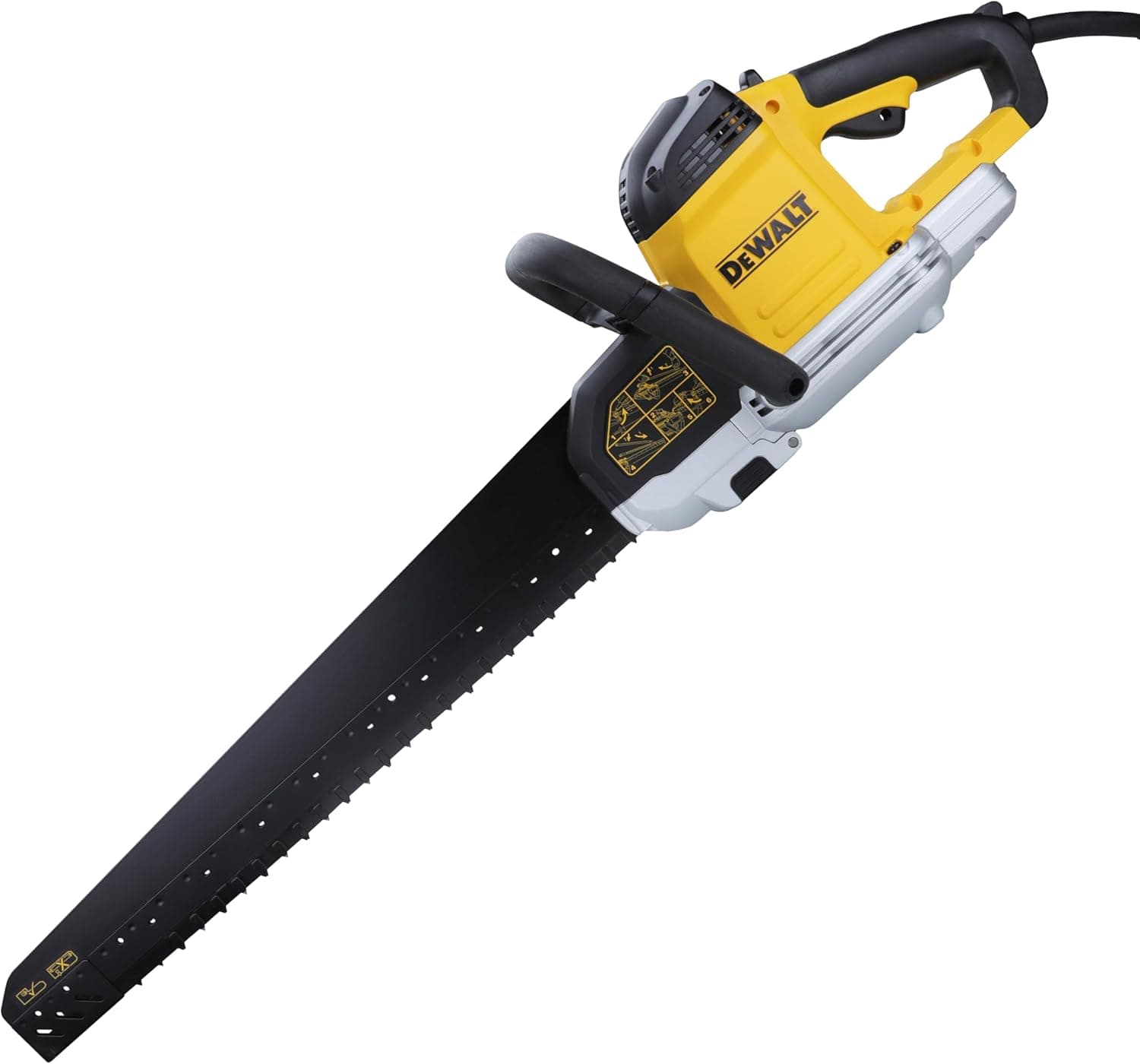
Cutting through brick, block, and aerated concrete on a building site usually means reaching for an angle grinder with a diamond blade — effective, but also loud, dusty, and...
Read review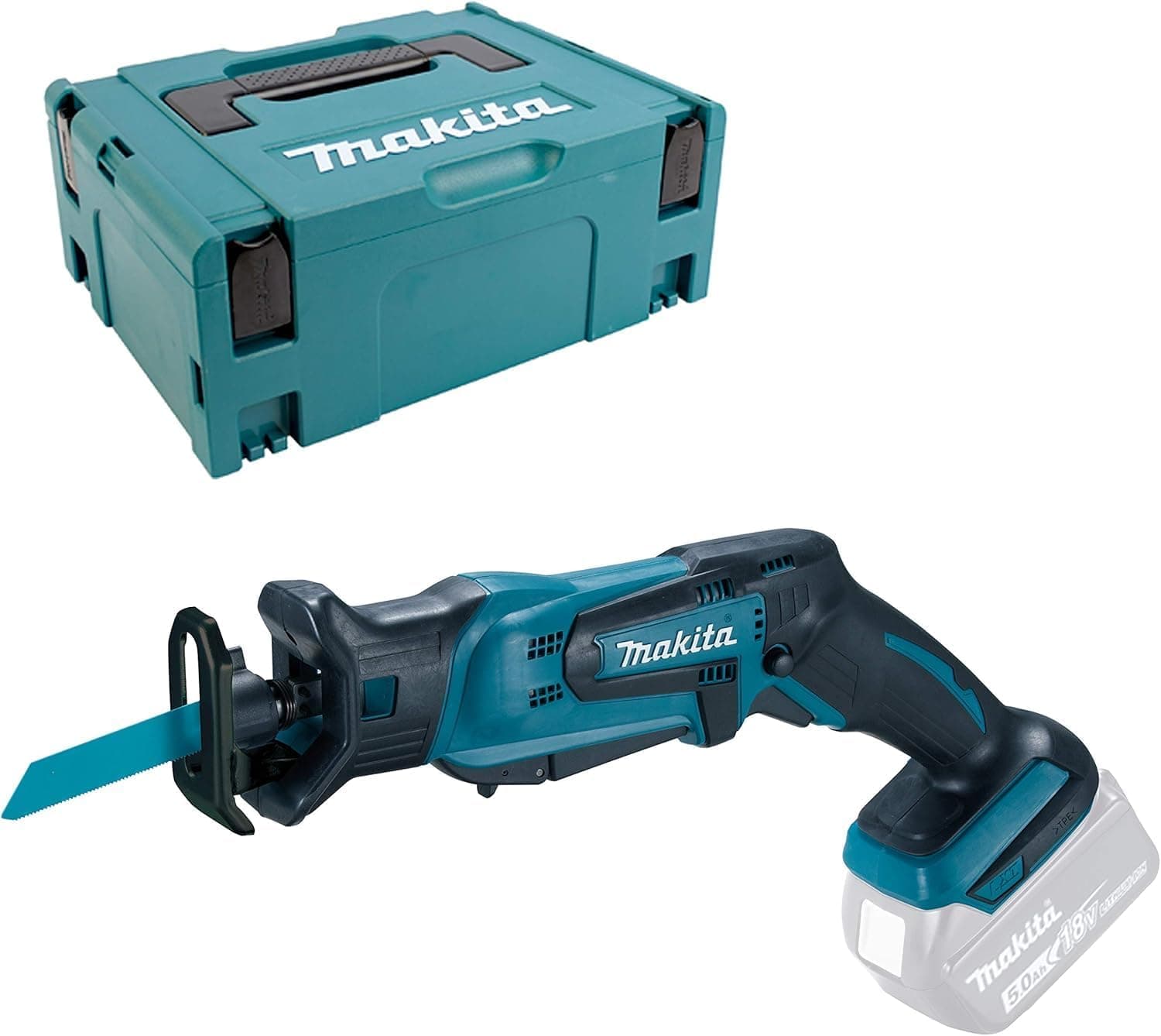
When a circular saw is too precise and a chainsaw is too aggressive, the tool you reach for is a reciprocating saw. Sometimes called a sabre saw or a demolition saw, it is the...
Read review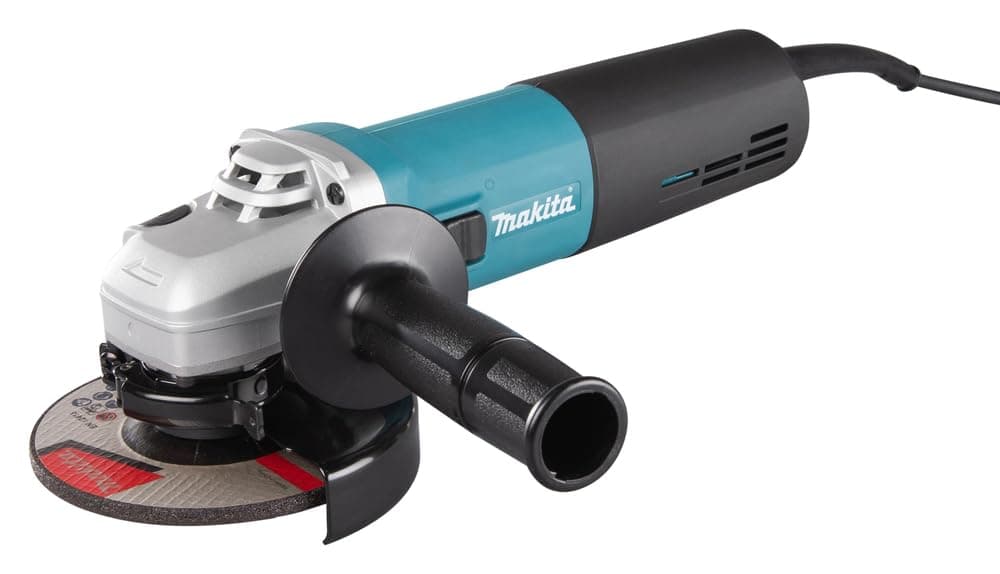
When the job demands sustained, uninterrupted grinding power — removing heavy weld beads from structural steel, surfacing a large concrete floor, or cutting through thick steel...
Read review
A 25 mm (1 inch) hole in concrete is the gateway size for serious structural anchoring — M20 and M24 through-bolts, heavy-duty chemical anchor capsules, and the drill diameter for...
Read review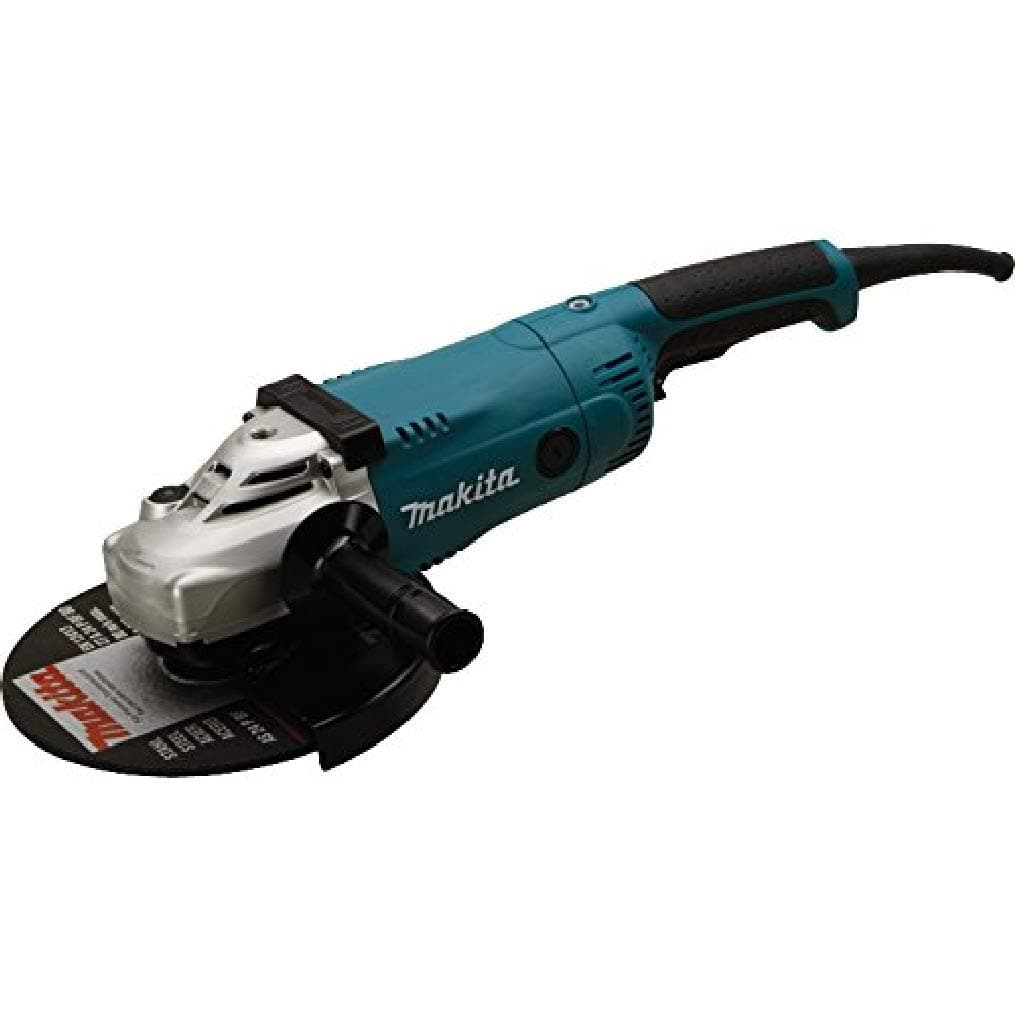
When a 125 mm angle grinder runs out of depth and you need to cut through a 100 mm steel beam, slice a concrete kerb stone, or grind a heavy weld on structural plate, the tool for...
Read review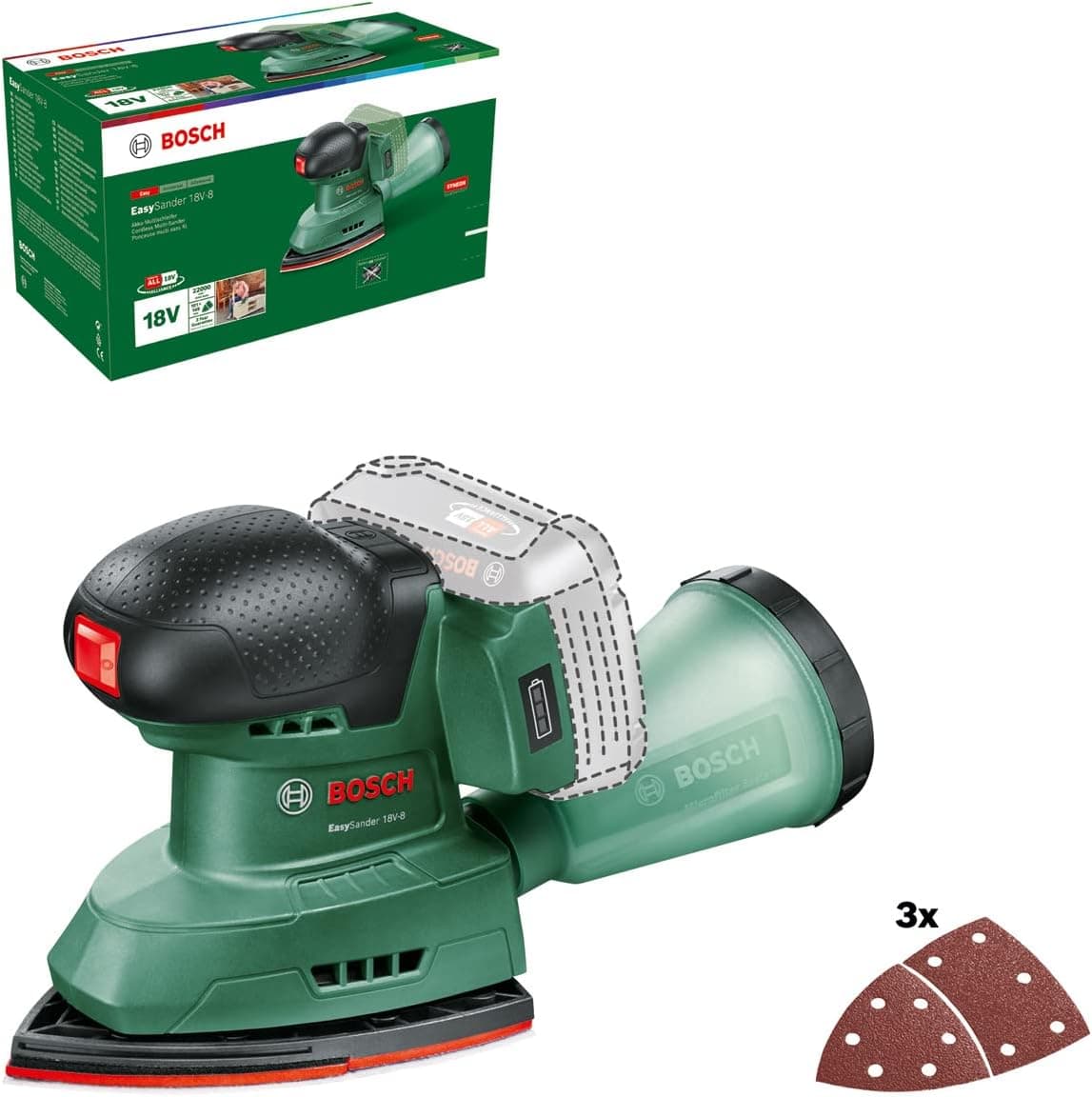
Every woodworking project, no matter how carefully you cut and assemble it, comes down to the finish. Rough edges, uneven surfaces, and old paint or varnish all stand between your...
Read review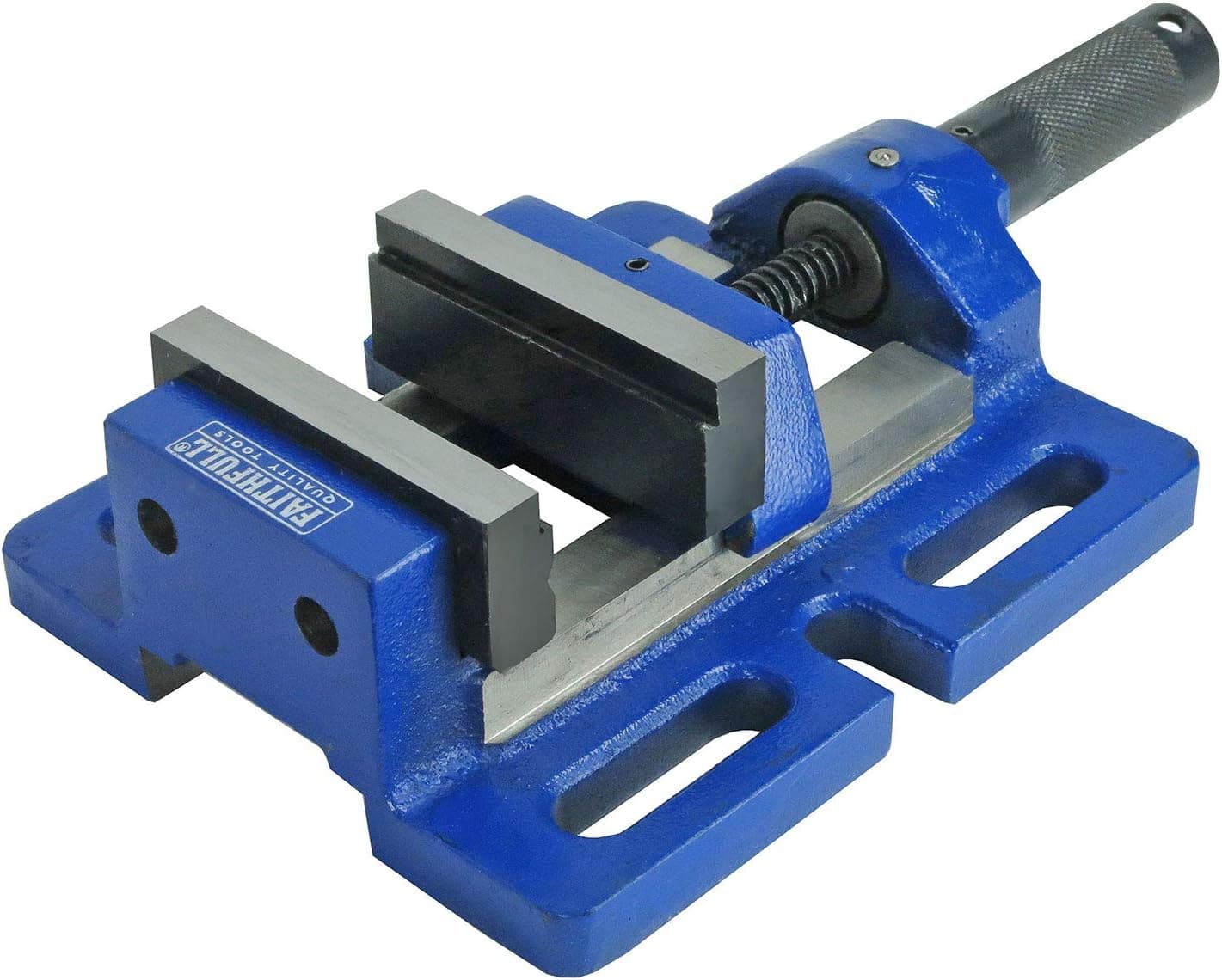
Trying to hold a metal bracket or a small wooden block steady with one hand while operating a drill press with the other is a recipe for ruined workpieces, broken drill bits, and...
Read review
When a circular saw is too precise and a chainsaw is too aggressive, the tool that steps into the gap is the reciprocating saw. Often called a sabre saw or demolition saw, it is...
Read review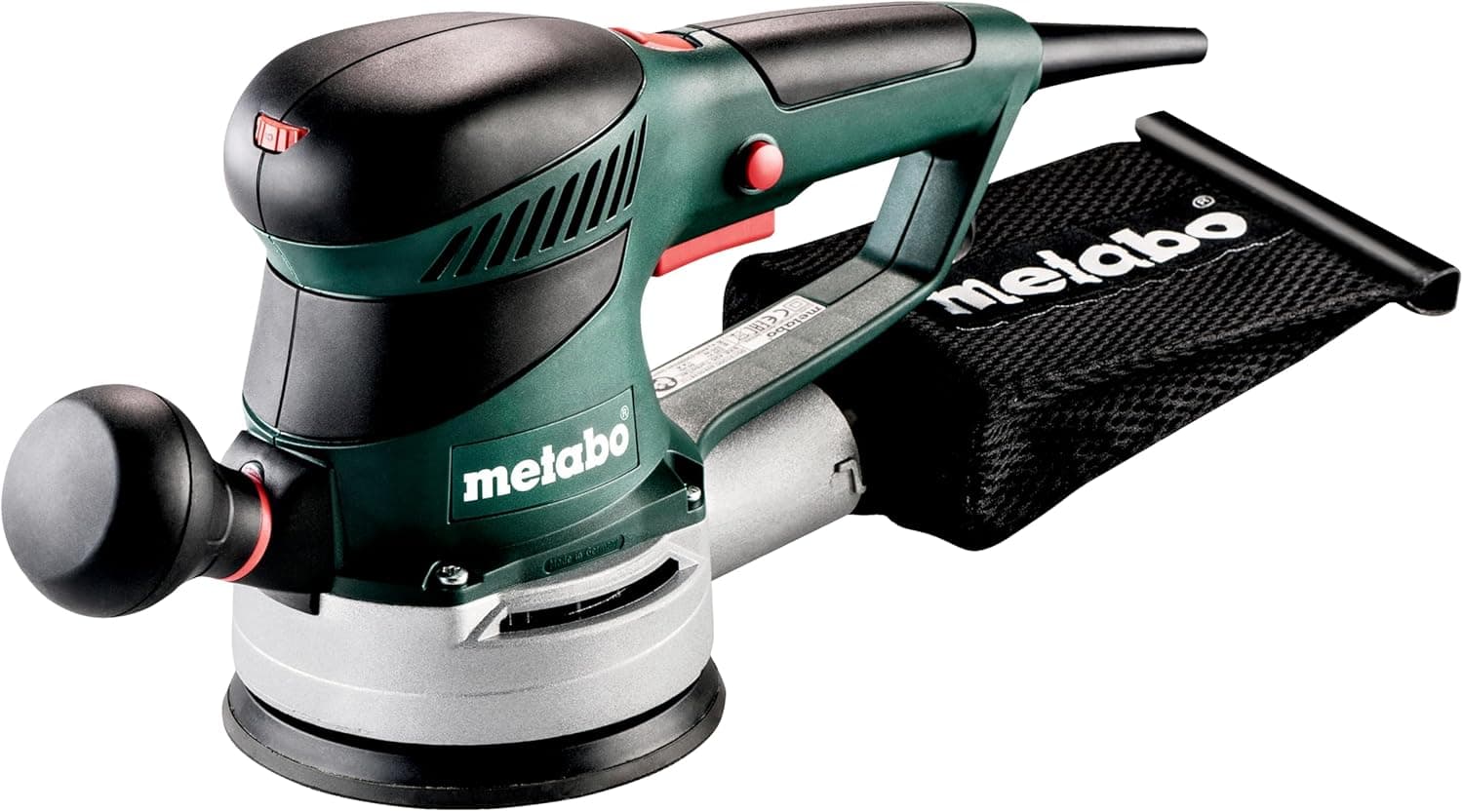
Running your hand across a freshly sanded piece of wood and feeling nothing but uniform smoothness — no scratches, no swirls, no ridges at the edges of your passes — is one of the...
Read review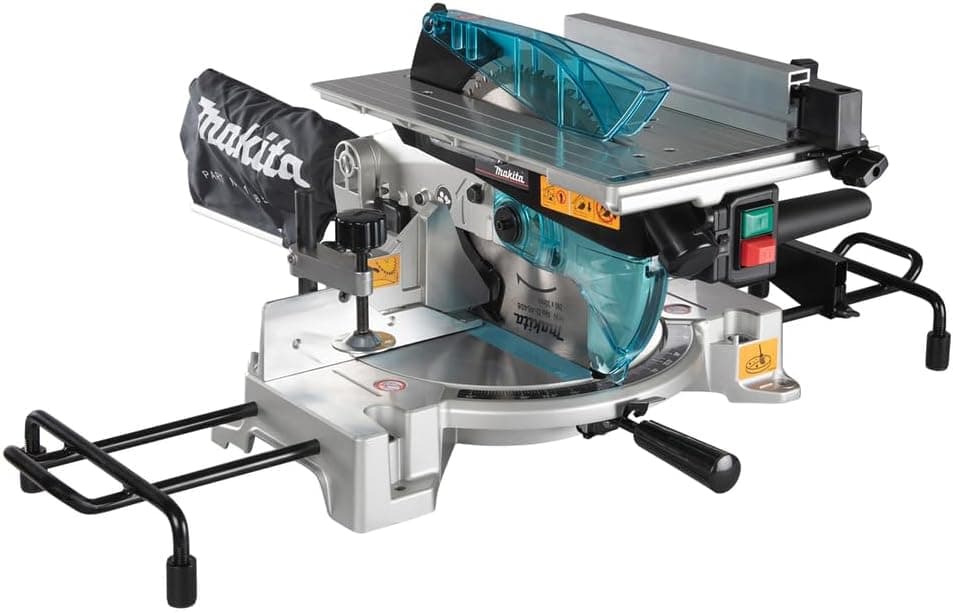
Space is the one resource no workshop ever has enough of. Every tool that earns a spot on the bench has to justify its footprint, and two of the most space-hungry machines in any...
Read review
Not everyone needs a workshop vacuum that costs hundreds of euros and weighs over ten kilograms. For many people, a wet-and-dry vacuum is something they reach for a few times a...
Read review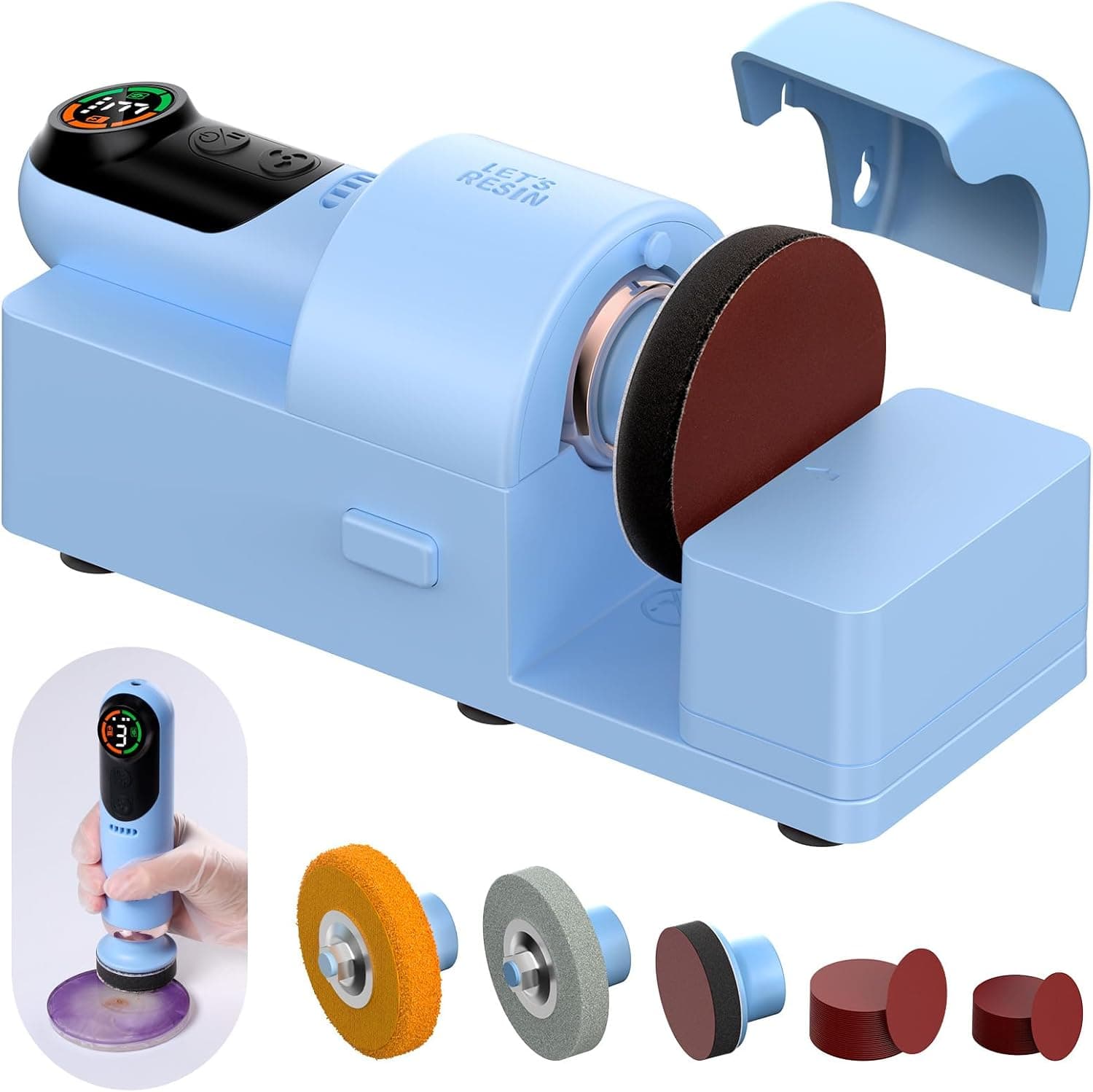
Creating resin art — whether it is crystal-clear coasters, colourful dice, handmade jewellery, or decorative pyramids — is only half the journey. Once the resin cures, the real...
Read review
Not every mess calls for a full-size workshop vacuum. Sometimes you just need to hoover the crumbs out of the car footwell, deal with a spilt drink in the garage, or clean up a...
Read review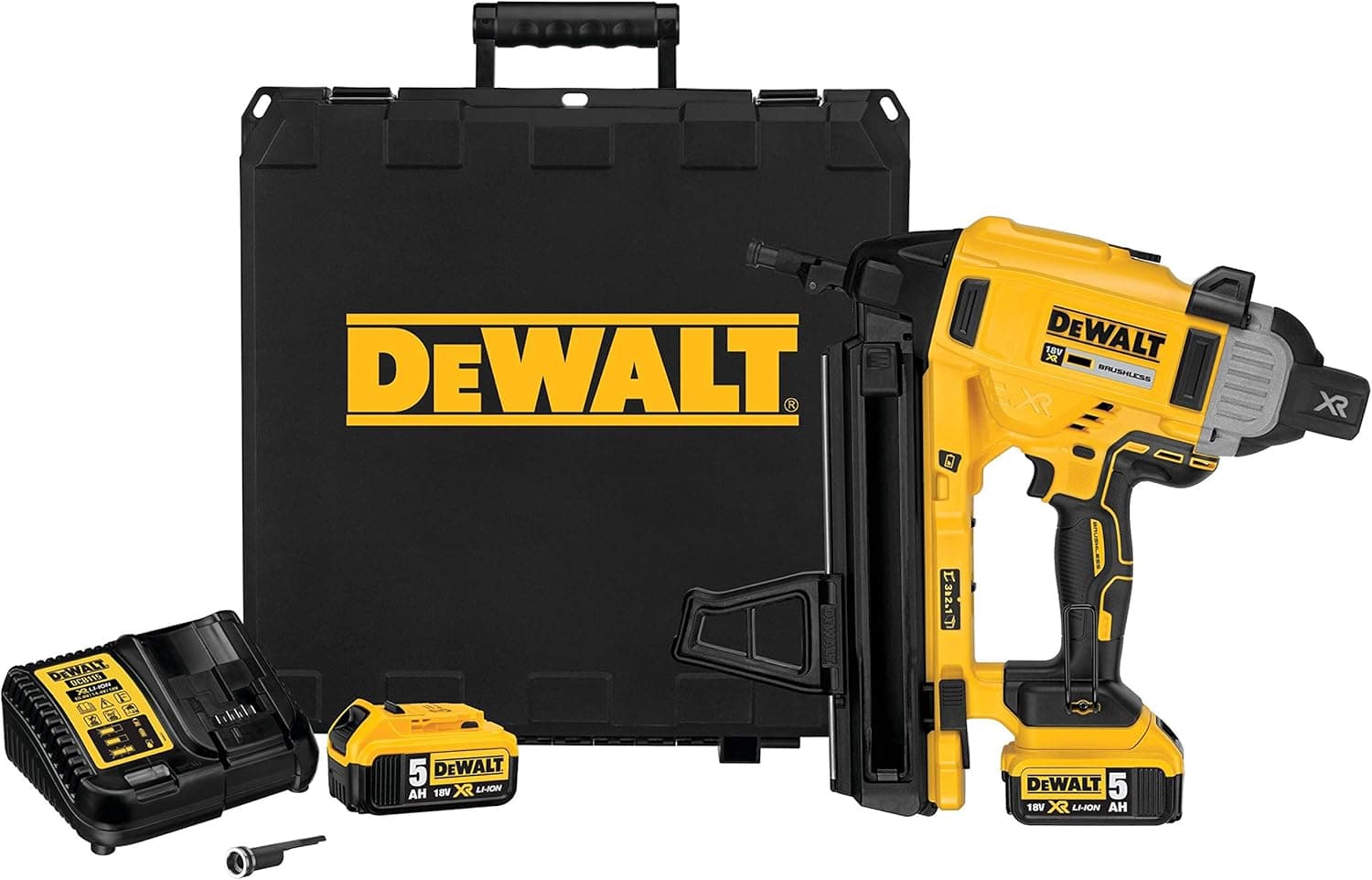
Driving a fastener into solid concrete or structural steel used to mean one of two things: a powder-actuated tool that requires cartridges, safety training, and regular cleaning,...
Read review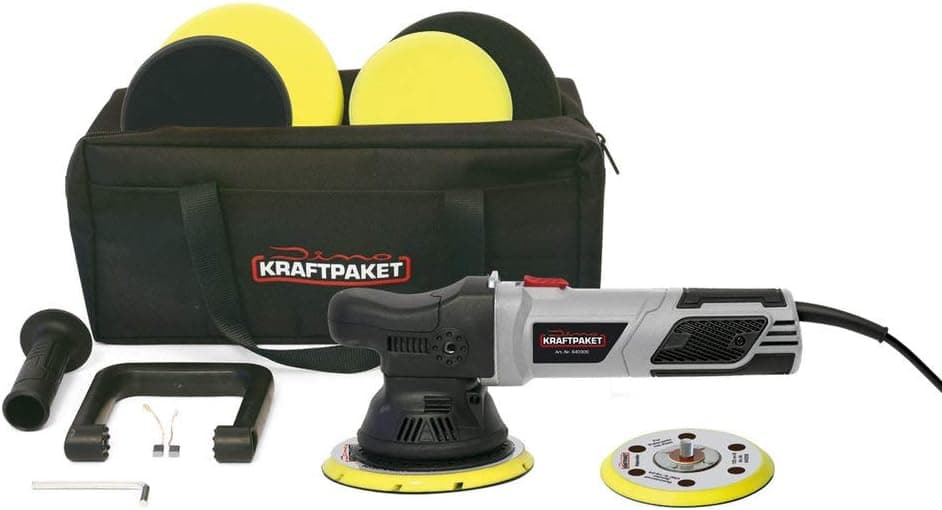
Nothing ages a car's appearance faster than dull, swirled, or oxidised paintwork. Even the most carefully washed vehicle develops fine scratches over time — from automatic car...
Read review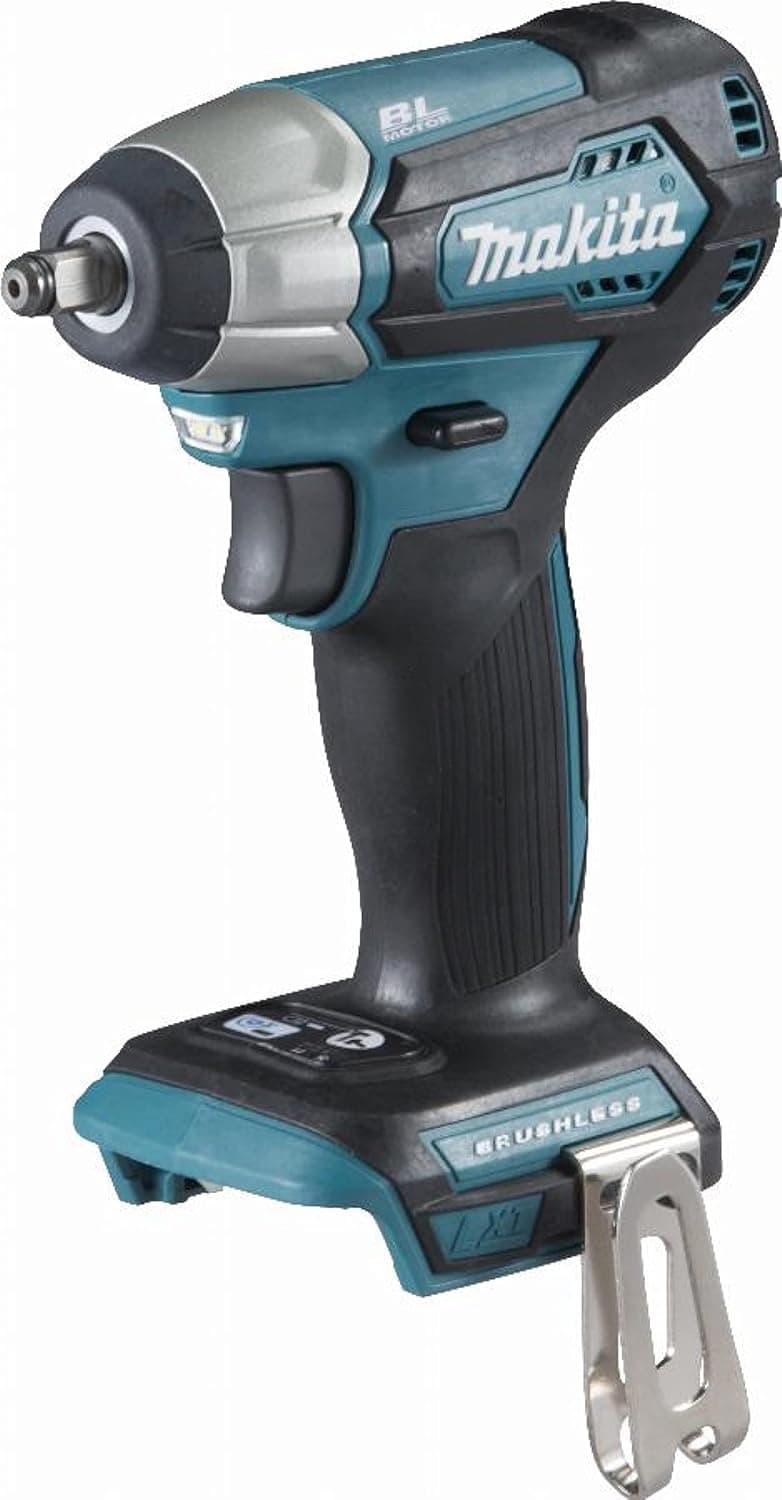
Not every bolt needs the brute force of a heavy-duty impact wrench. In fact, most of the fasteners you encounter during mechanical work — engine bay bolts, motorcycle hardware,...
Read review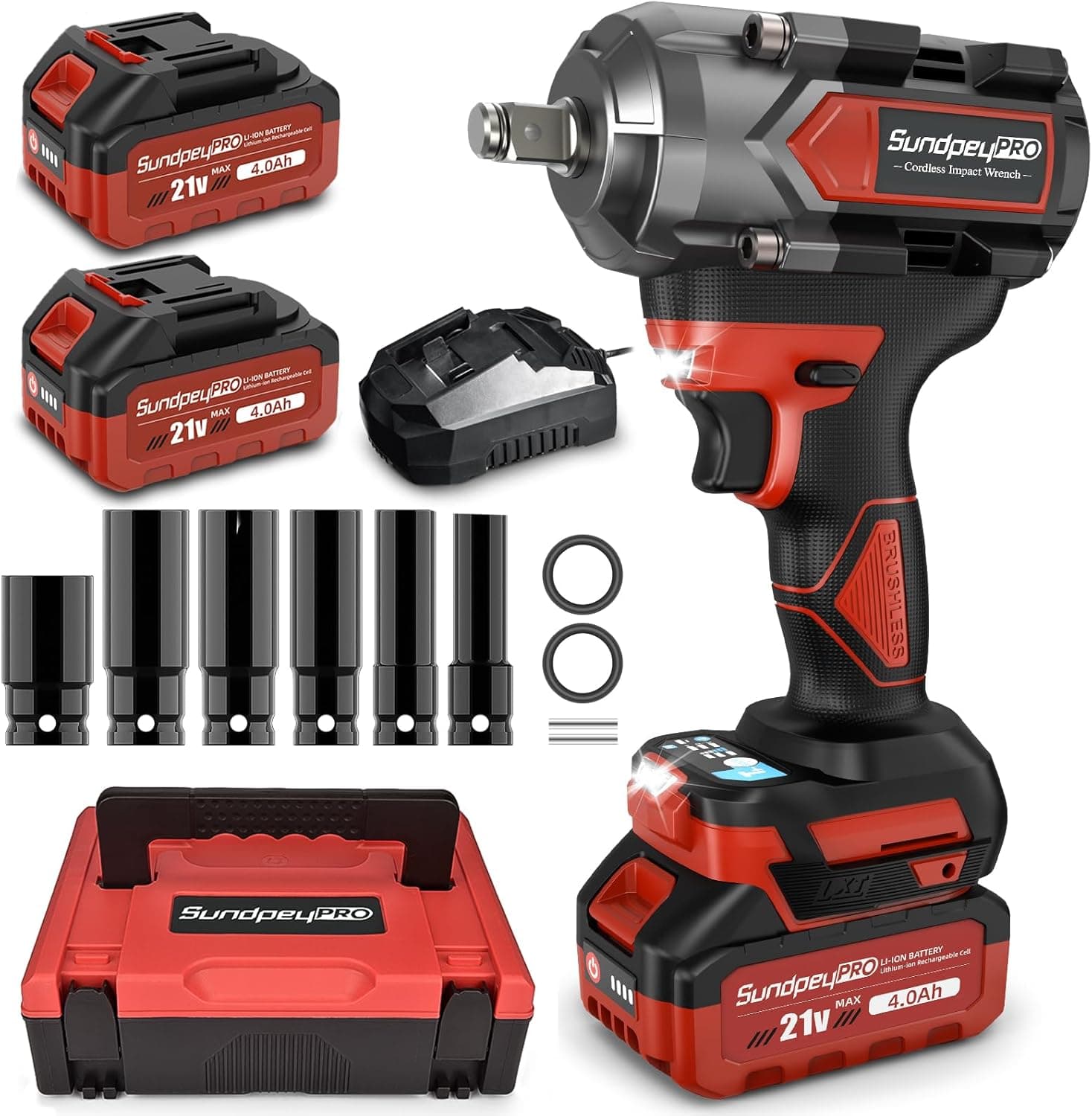
There's a moment in every serious mechanical job where a bolt simply won't move. You've applied penetrating oil, you've used a breaker bar with a scaffold pole extension, and...
Read review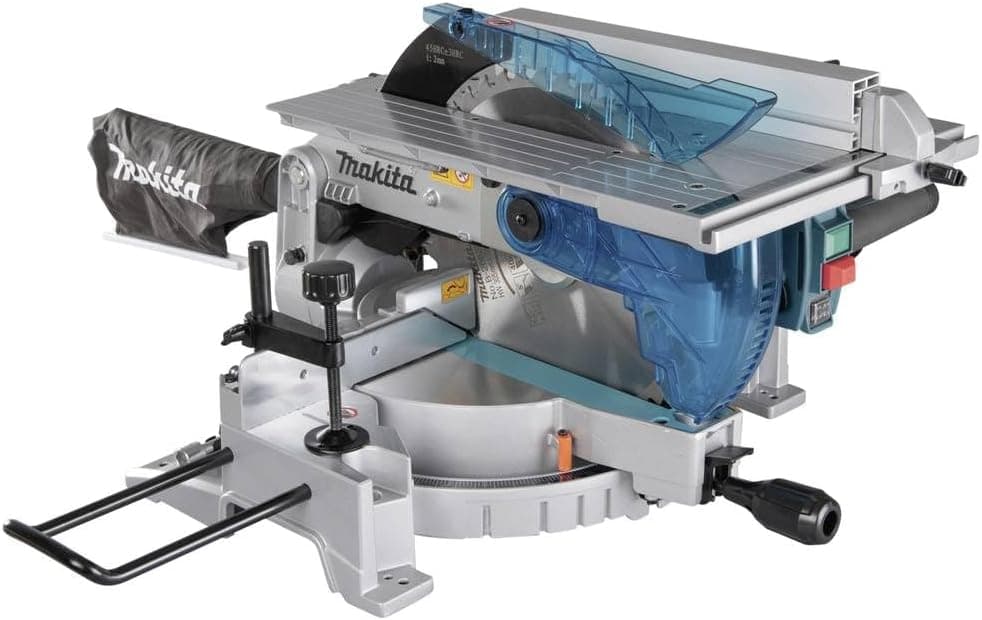
Space in a workshop or on a job site is always at a premium. Every square metre occupied by a stationary tool is a square metre you cannot use for assembly, finishing, or simply...
Read review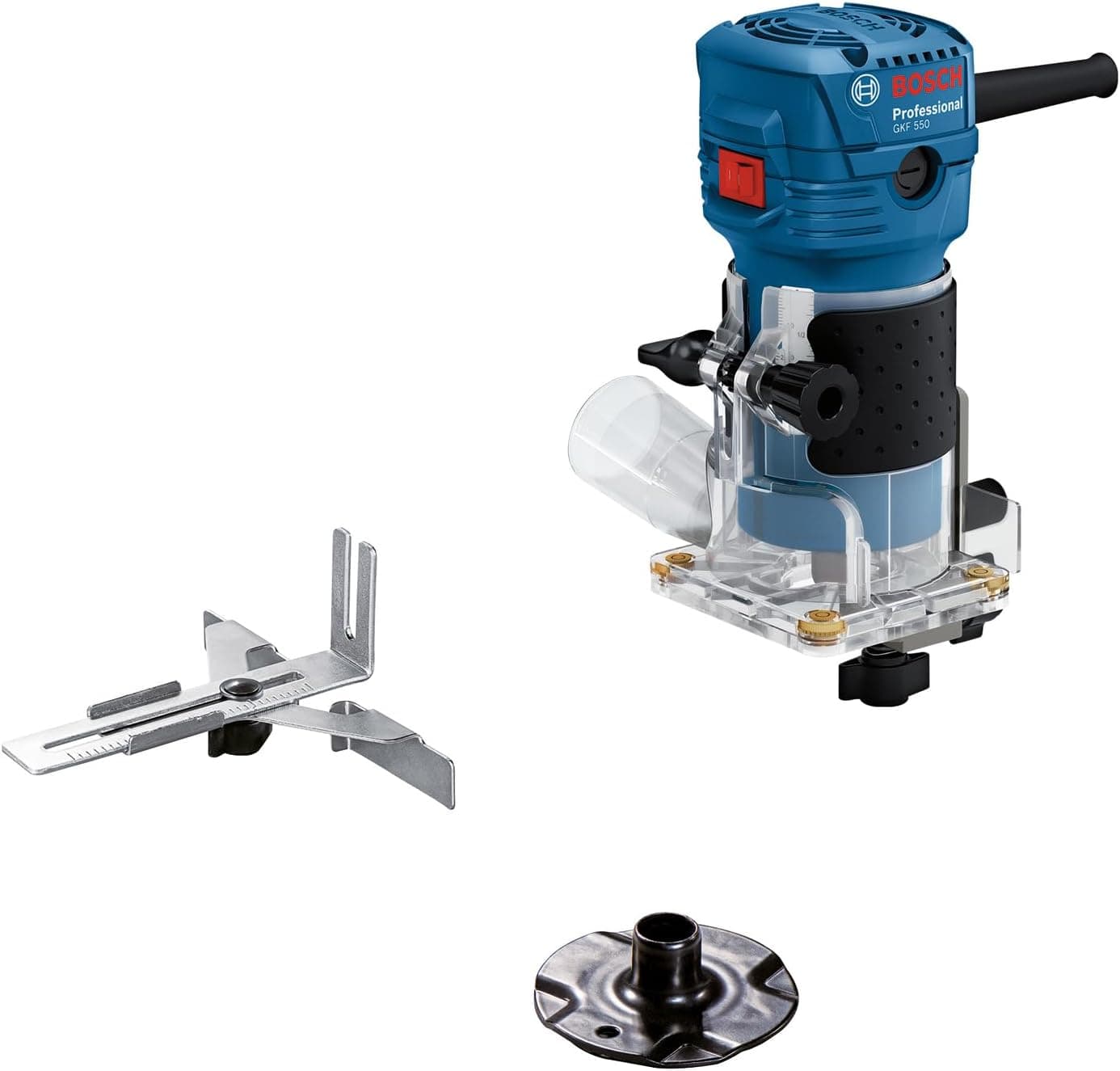
In professional cabinet making and kitchen fitting, there is a tool that gets used more often than the full-size plunge router: the laminate trimmer. Small, light, and designed...
Read review