
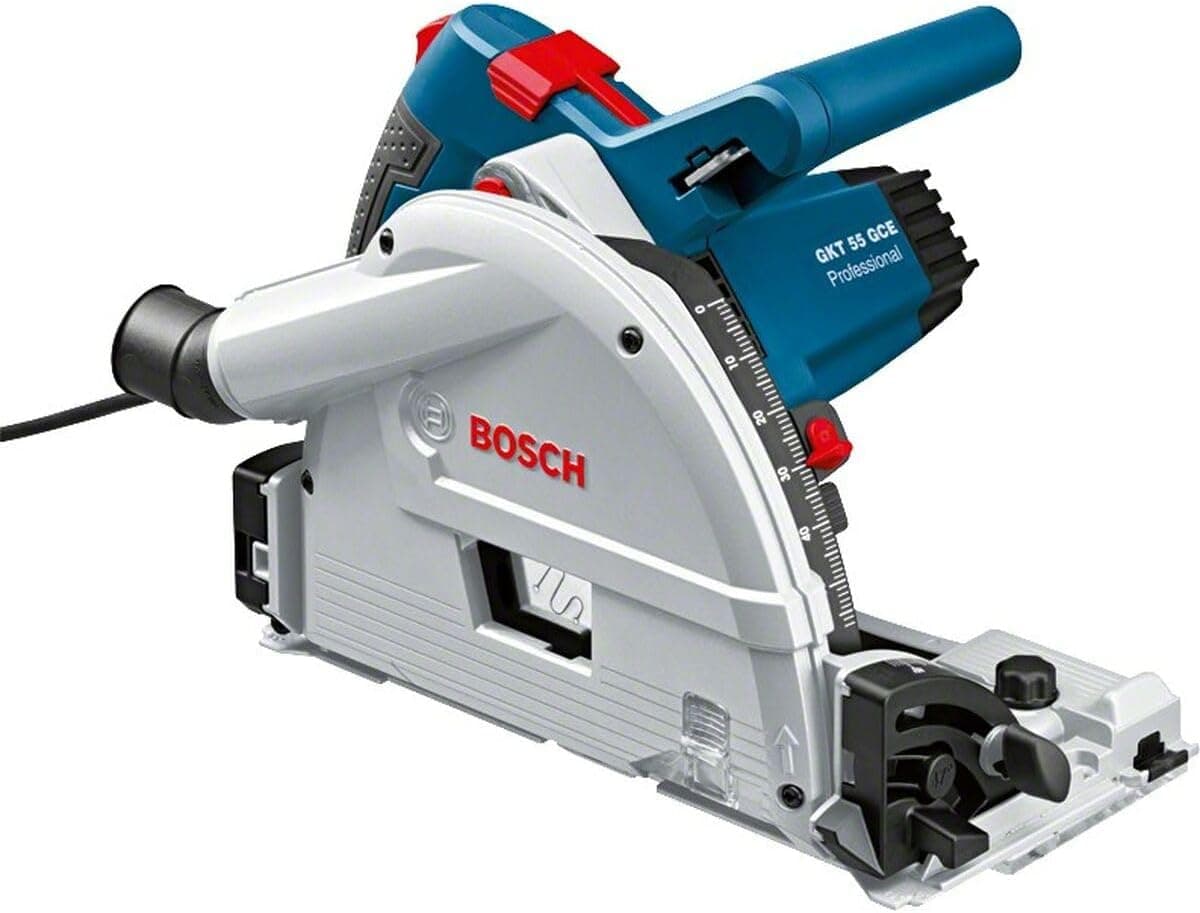
Bosch Professional0601675001
Cutting large sheet materials accurately is one of the most demanding tasks in the workshop or on site. A standard circular saw guided by hand or a clamped straight edge can...
Read reviewCategory guide
Cutting large sheet materials accurately is one of the most demanding tasks in the workshop or on site. A standard circular saw guided by hand or a clamped straight edge can...
Read review
A jigsaw is one of those tools that you do not reach for every day, but on the days you need it, nothing else will do. When a kitchen worktop needs a sink cut-out, when skirting...
Read review
Cutting curves in wood, making plunge cuts in worktops, or trimming laminate flooring to fit around door frames — these are jobs where a circular saw cannot help and a handsaw...
Read review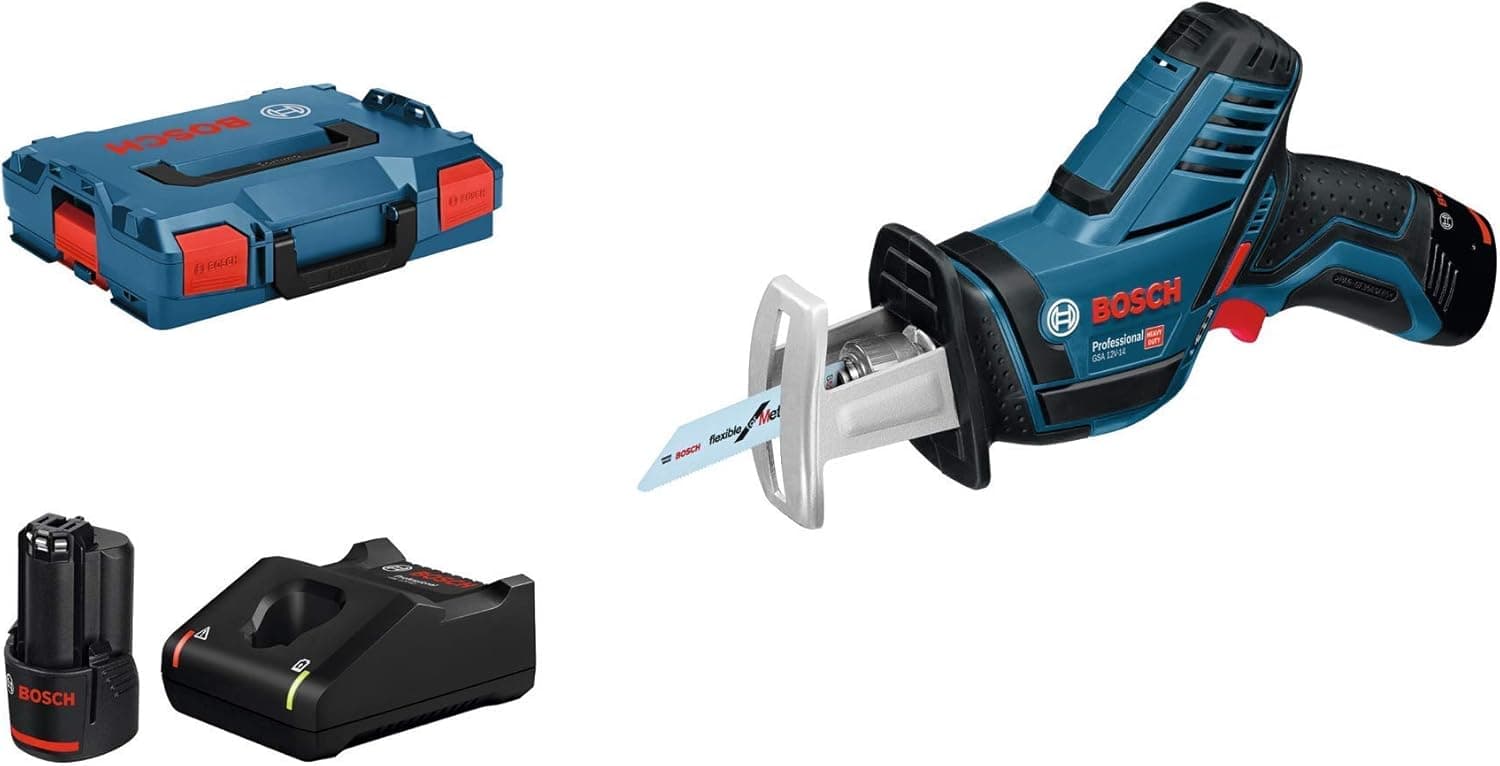
Sometimes the job is not about cutting clean mitres on a bench — it is about reaching into a wall cavity to cut out a section of plastic pipe, pruning a branch in a tight fork, or...
Read review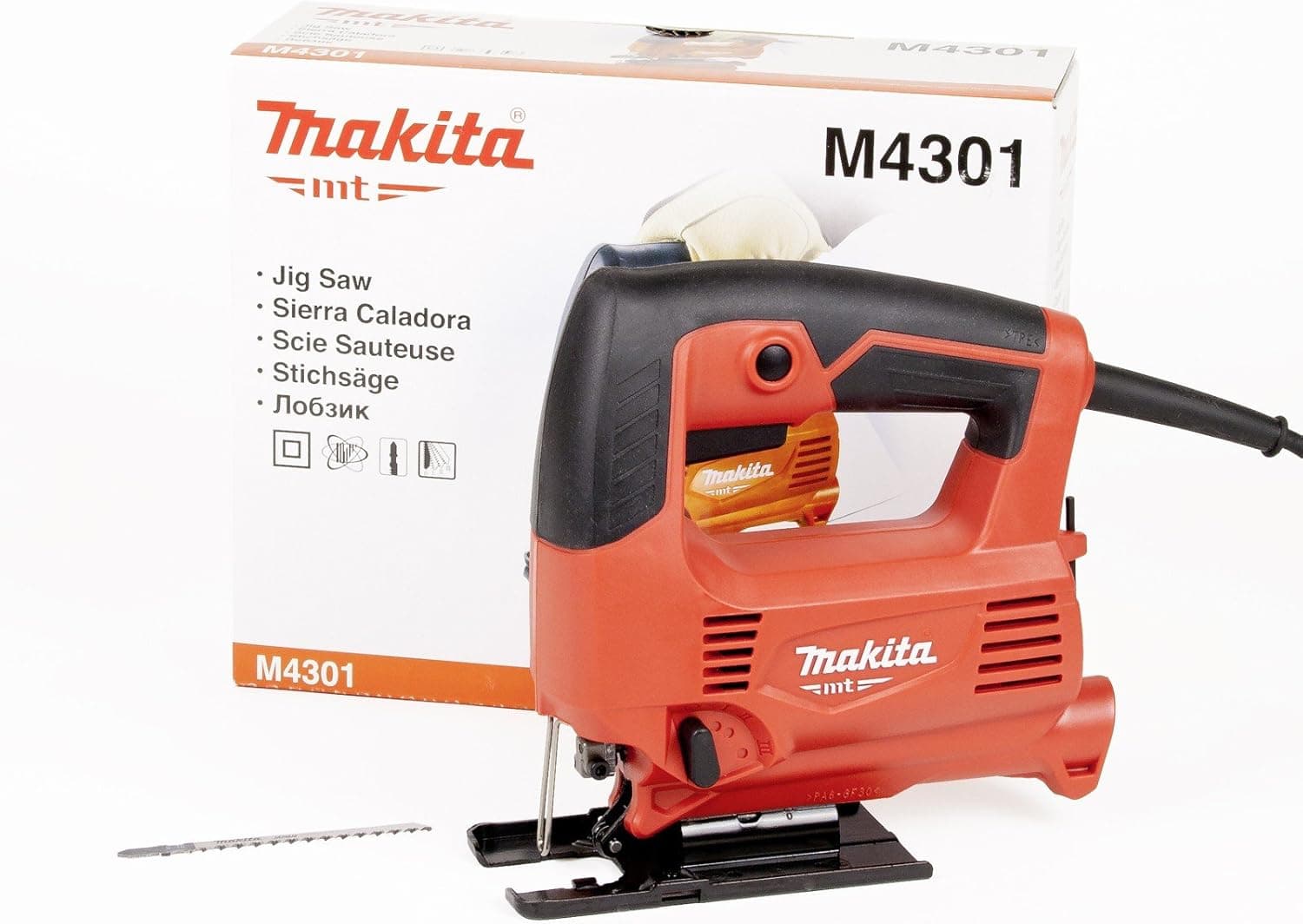
Cutting a straight line is what circular saws and handsaws do best. But the moment your cut needs to curve, turn a corner, or follow a wavy outline, you need a different kind of...
Read review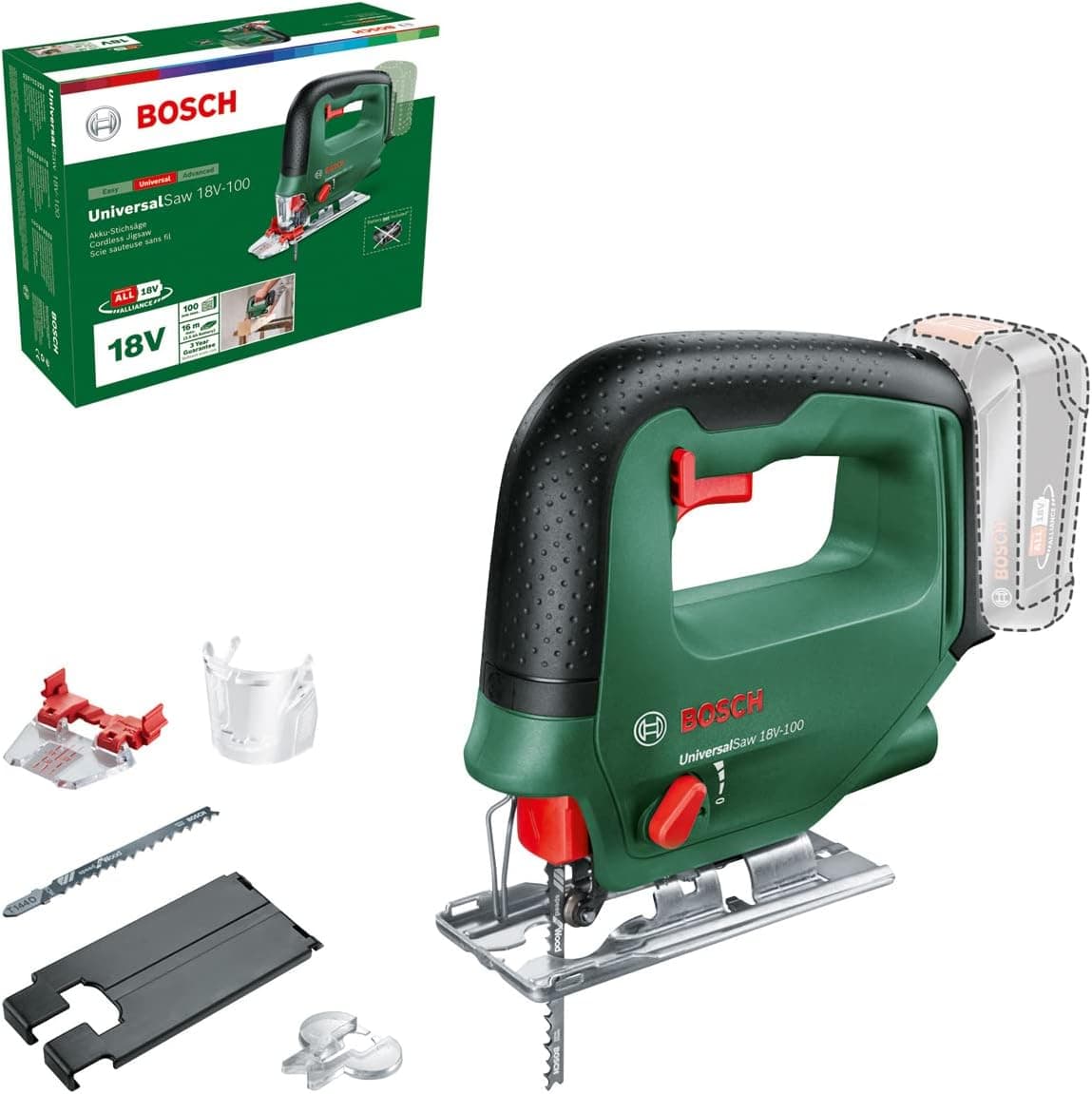
Most saws are specialists. A circular saw powers through long straight cuts with speed and precision. A mitre saw delivers perfectly angled crosscuts on timber and moulding. A...
Read review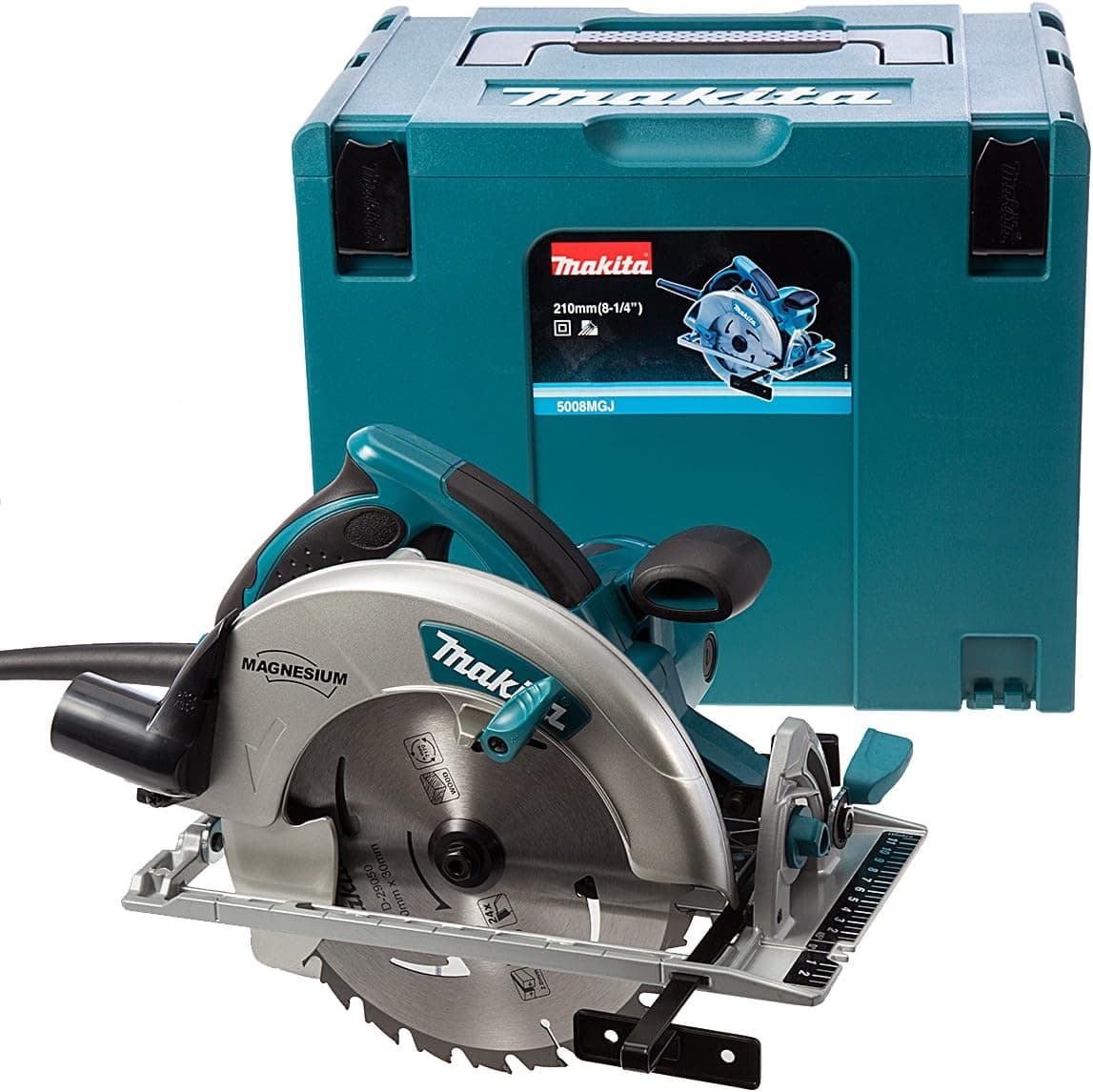
For cutting long straight lines through sheet material, cross-cutting timber to length, or ripping boards down to width, no tool in the workshop is more fundamental than the...
Read review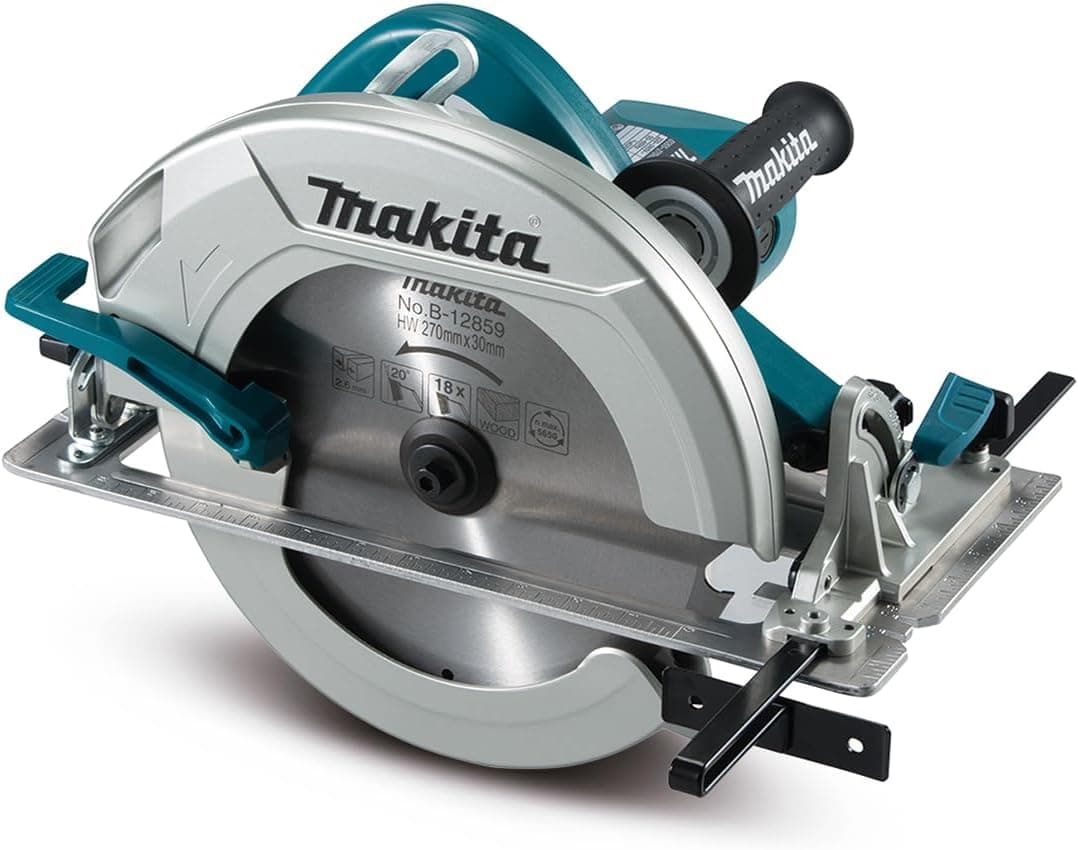
Cutting through a 100 mm thick oak beam, ripping a full sheet of 18 mm plywood lengthwise, or cross-cutting a stack of floor joists to length in one pass — these are not jobs for...
Read review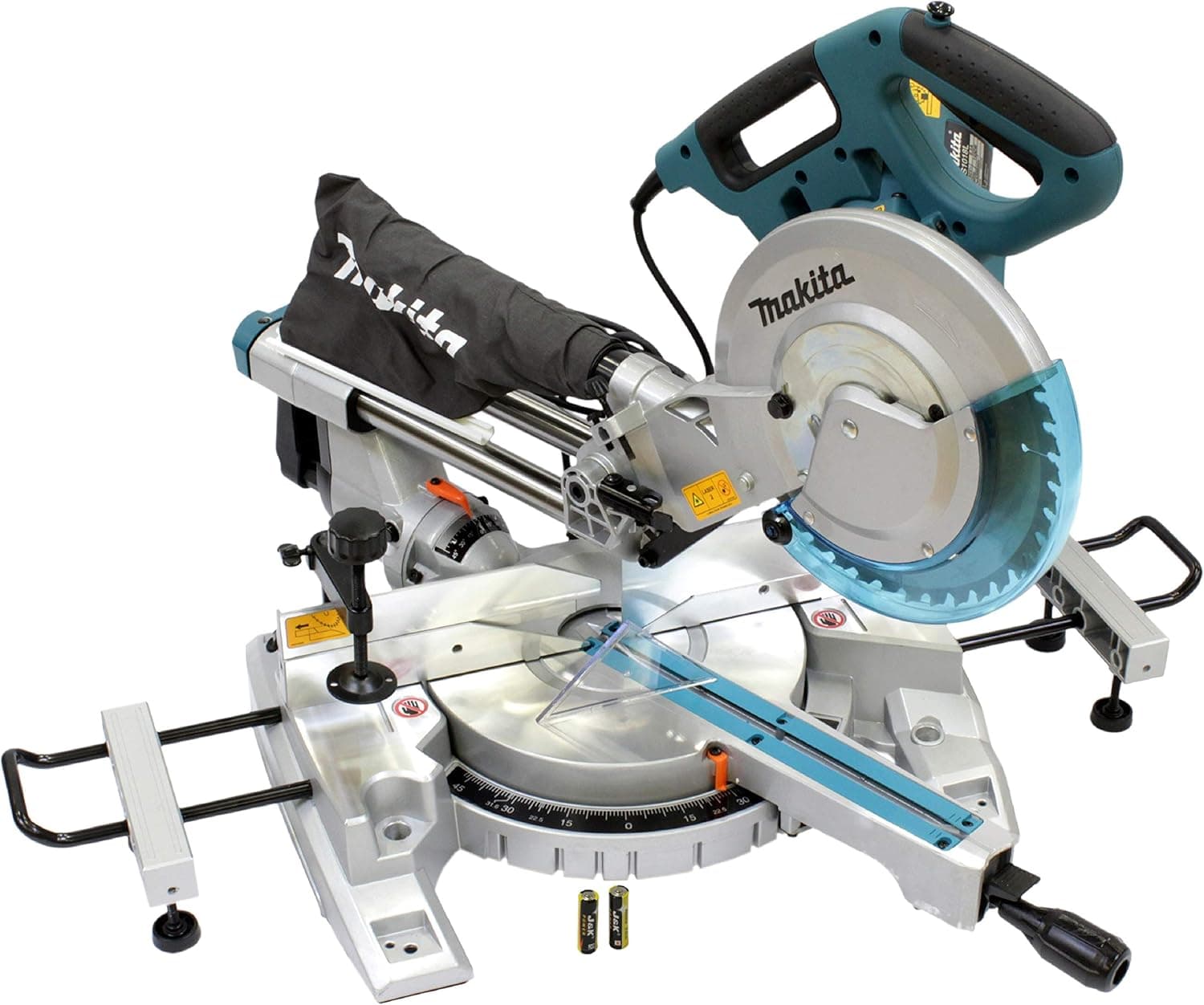
Precision crosscutting is the foundation of good carpentry. Whether you are laying flooring, fitting skirting boards, building a deck, or constructing roof timbers, the quality of...
Read review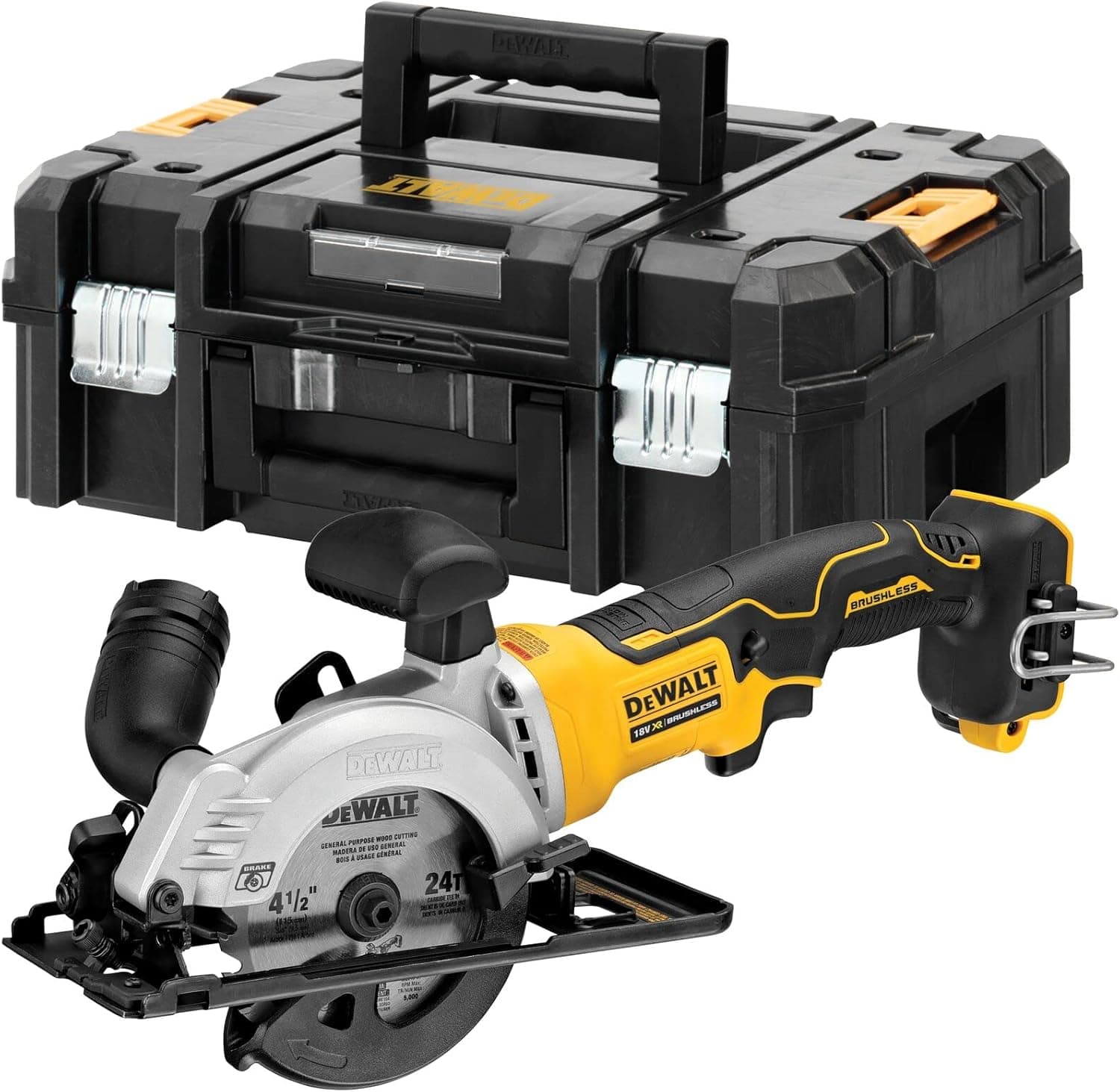
Not every cut needs a 2,000 W saw with a 270 mm blade. In fact, most of the cuts a carpenter, kitchen fitter, or renovator makes in a day are in relatively thin material —...
Read review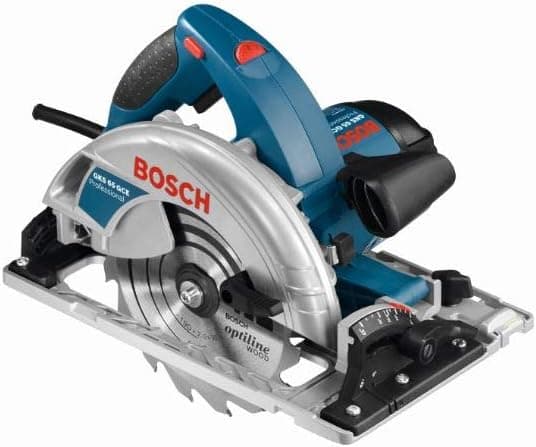
Cutting a full sheet of plywood or MDF into cabinet panels with nothing but a standard circular saw and a clamped straightedge is one of those jobs that sounds simple until you...
Read review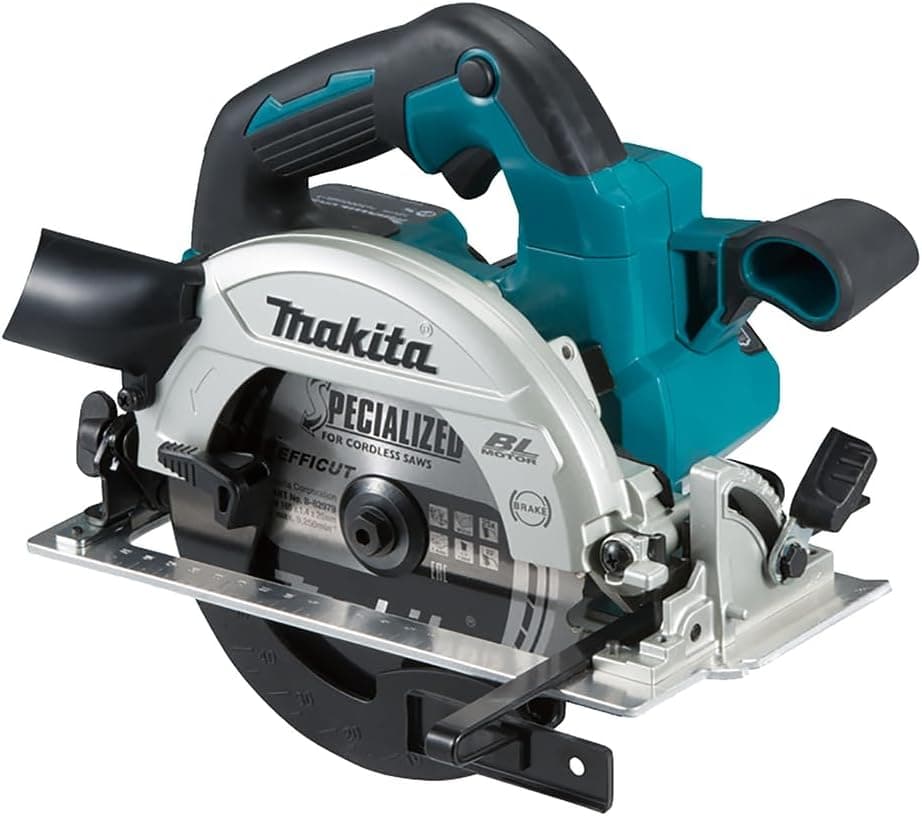
Breaking down sheet materials — plywood, MDF, OSB, and chipboard — into manageable pieces is one of the first steps in almost every woodworking, carpentry, and renovation project....
Read review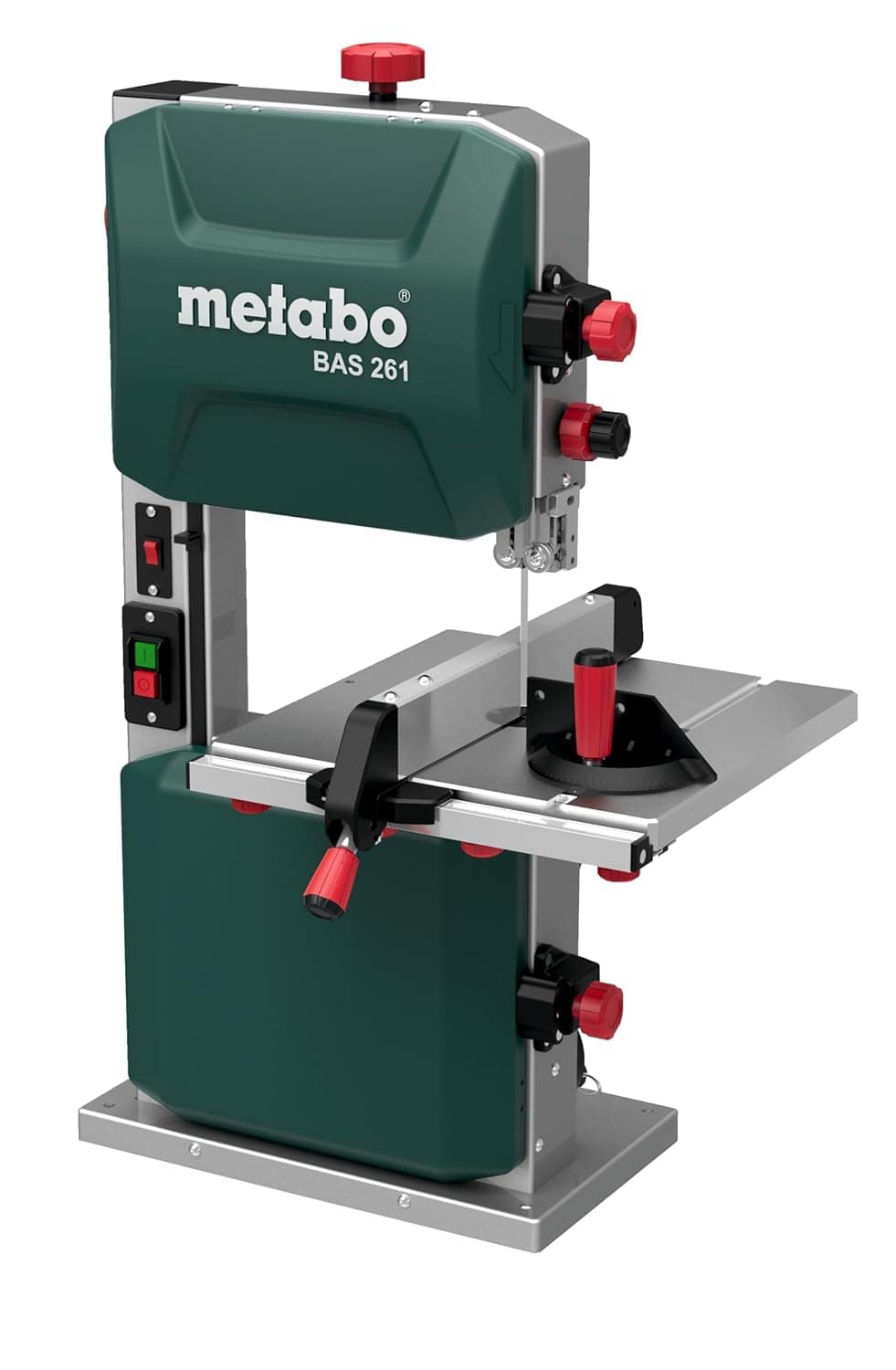
There is a point in every woodworker's journey where a jigsaw stops being enough. Cutting gentle curves in thin plywood — fine. But when the project demands resawing a thick...
Read review
On a construction site, a framing saw is not a luxury — it is the tool that cuts every stud, joist, rafter, and piece of sheathing that turns a pile of timber into a structure....
Read review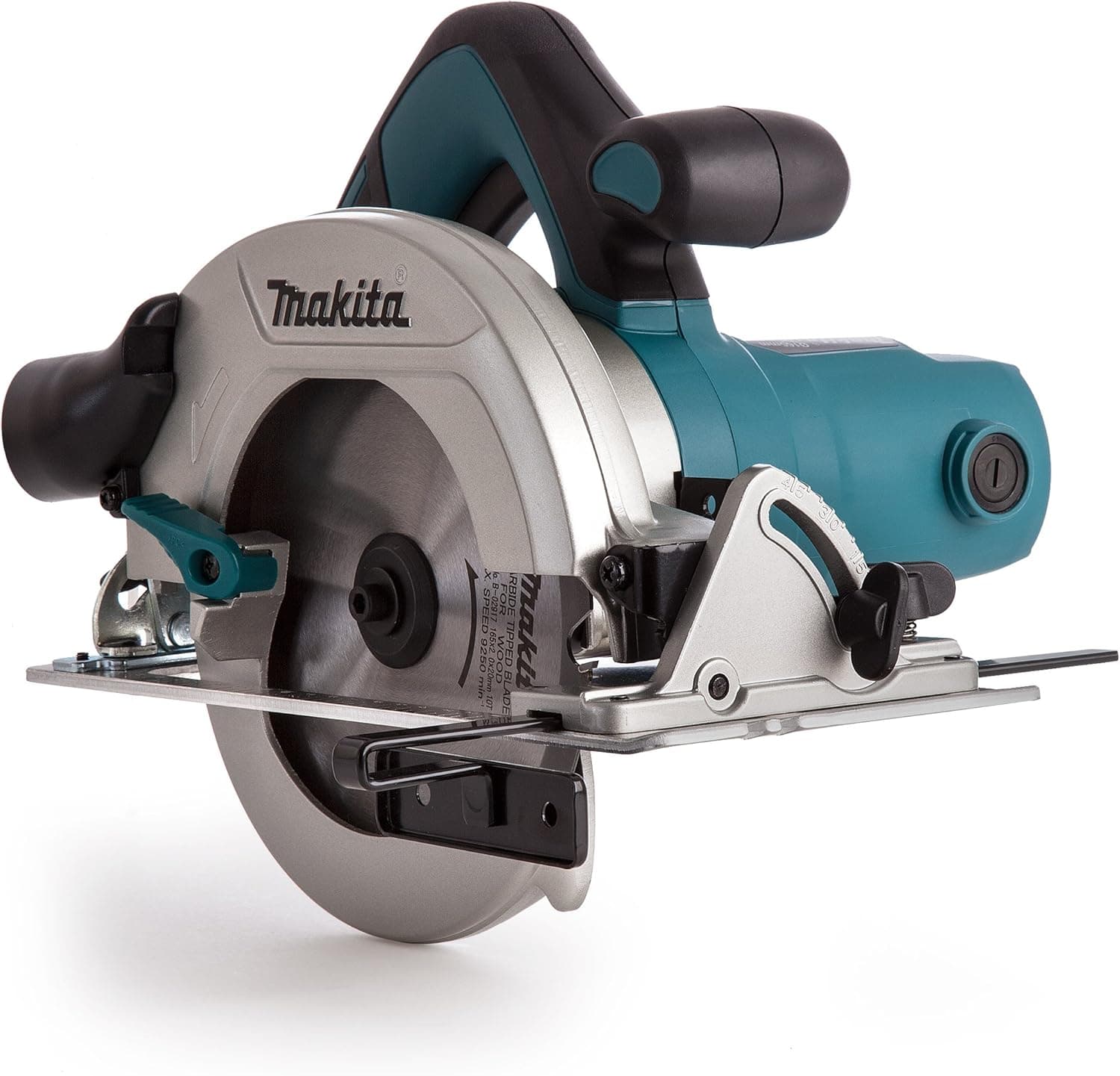
Not every cutting job needs a full-size professional circular saw. When you are trimming floorboards, cutting laminated shelving to length, or crosscutting timber for a garden...
Read review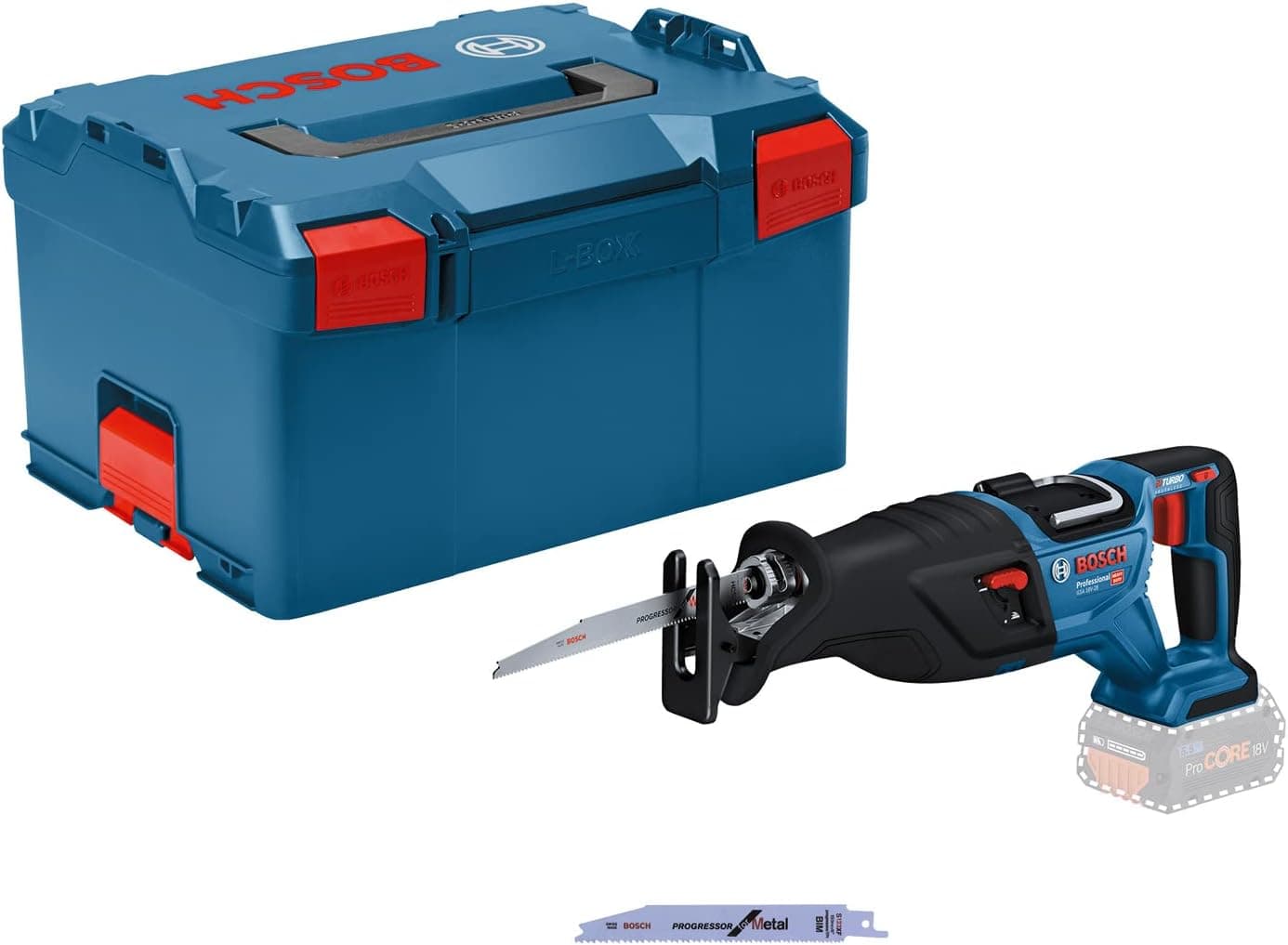
When the job calls for cutting through something in a place where no saw was meant to go, a reciprocating saw — often called a sabre saw — is the tool that answers. Unlike a...
Read review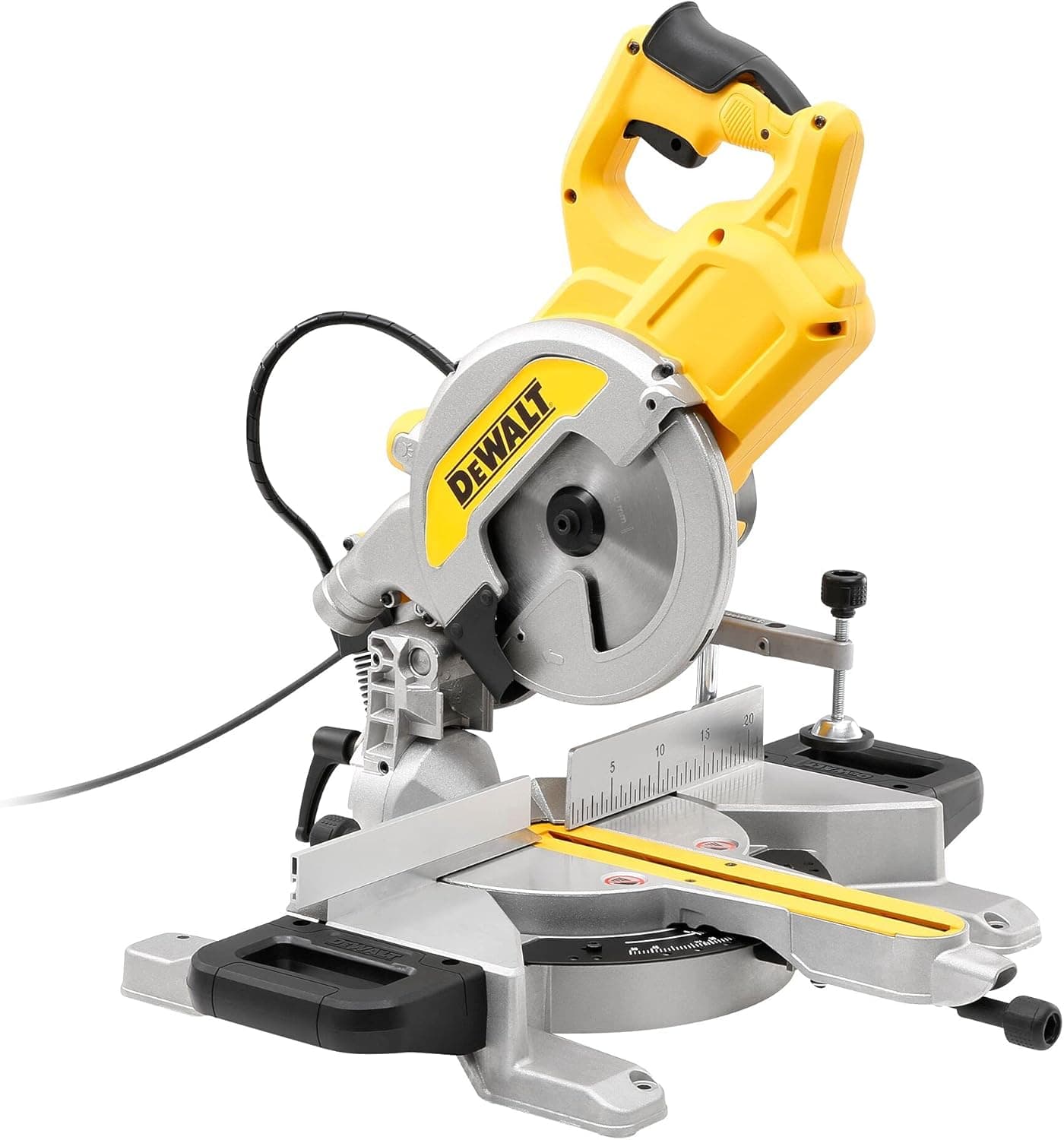
Measure twice, cut once — the old carpenter's rule is only as good as the saw making the cut. When you are fitting skirting boards, laying decking, building a stud wall, or...
Read review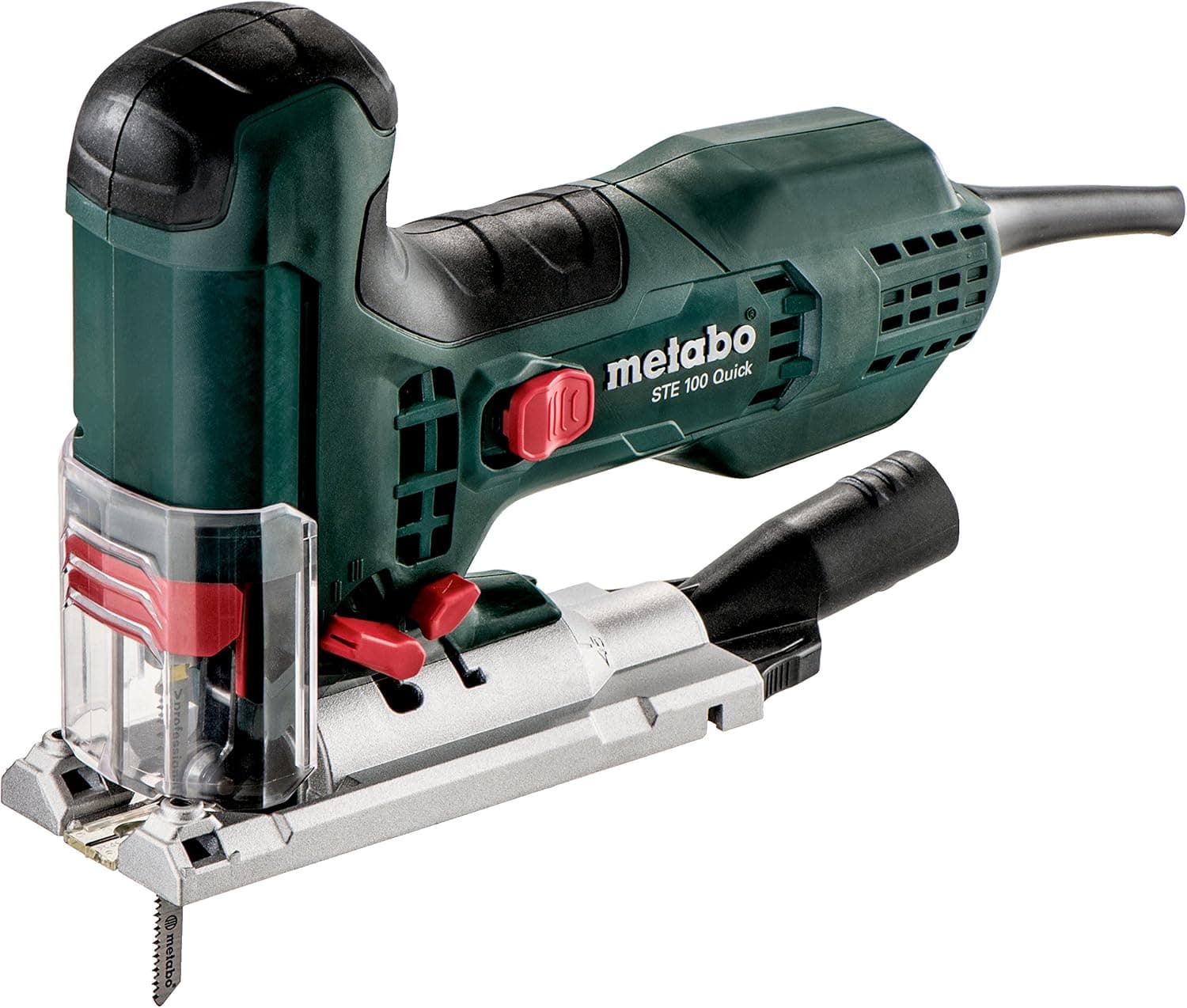
Cutting curves, scribing worktops to uneven walls, and making plunge cuts in the middle of a panel are jobs that a circular saw cannot do and a hand saw does too slowly. A jigsaw...
Read review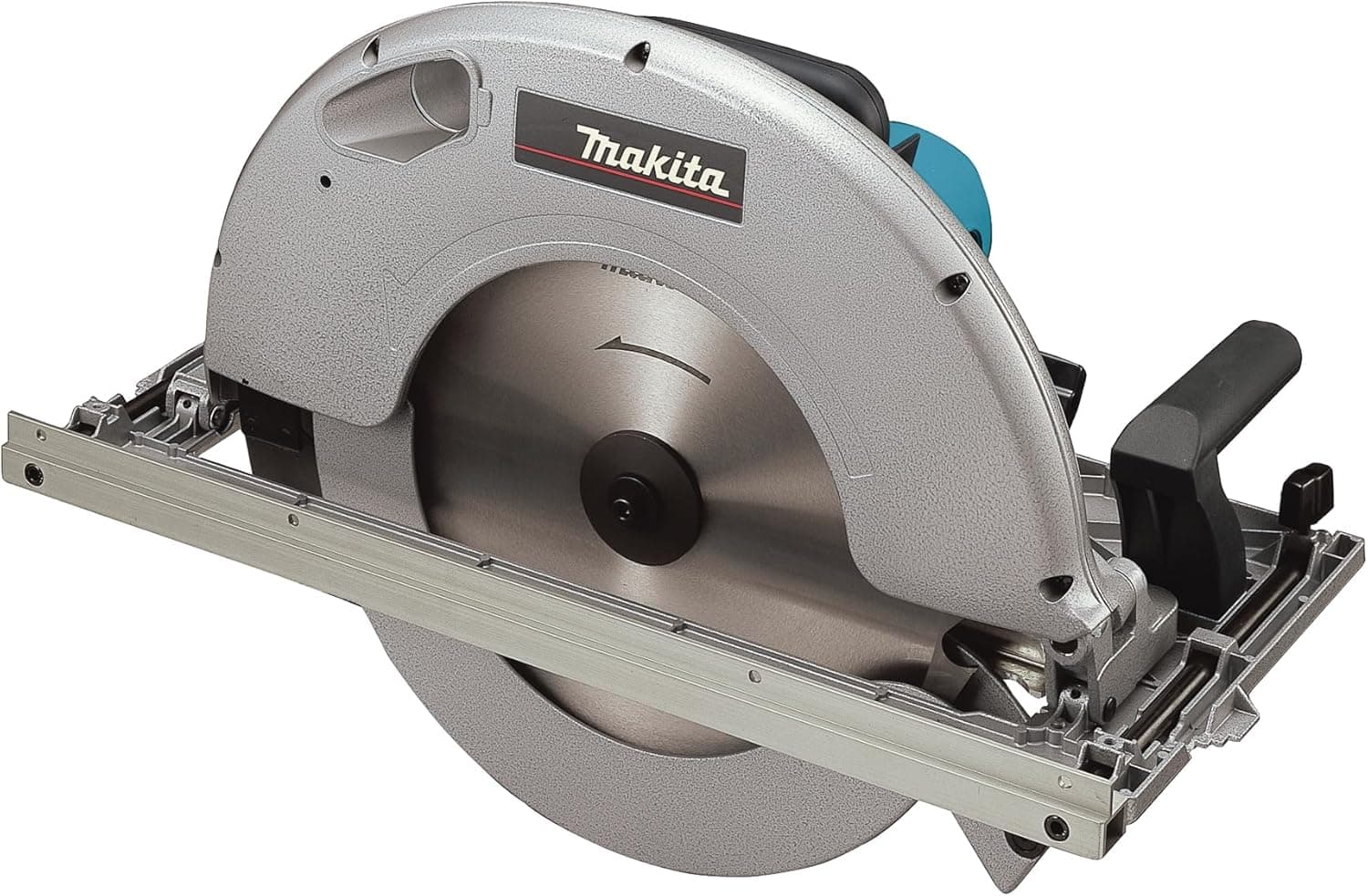
Most circular saws handle softwood framing and sheet materials without complaint. But when the timber gets heavy — solid oak beams, railway sleepers, laminated structural posts,...
Read review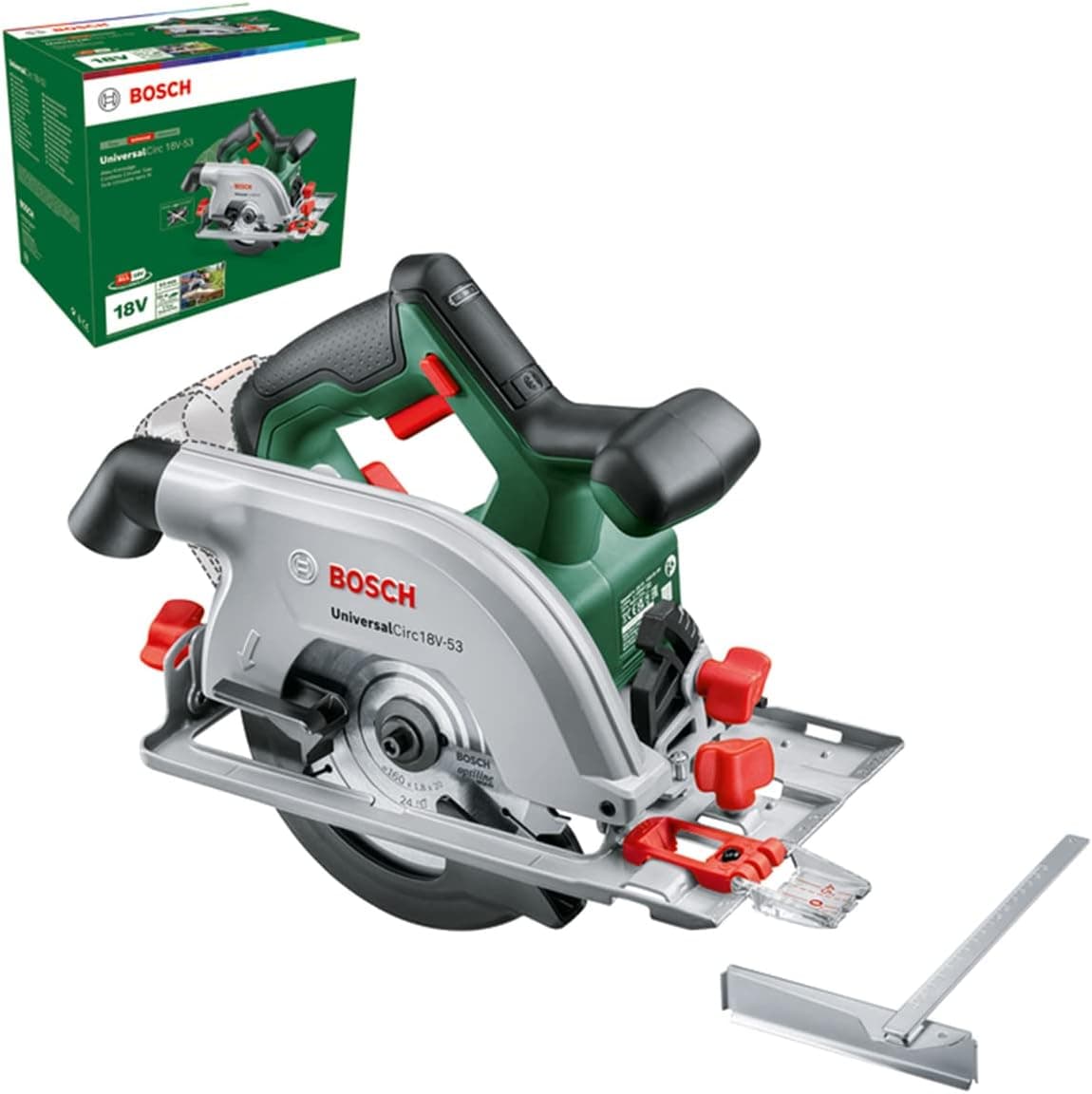
Cutting sheet materials, cross-cutting timber, and ripping boards to width are the fundamental tasks of any woodworking project — and a circular saw does all three faster and more...
Read review