
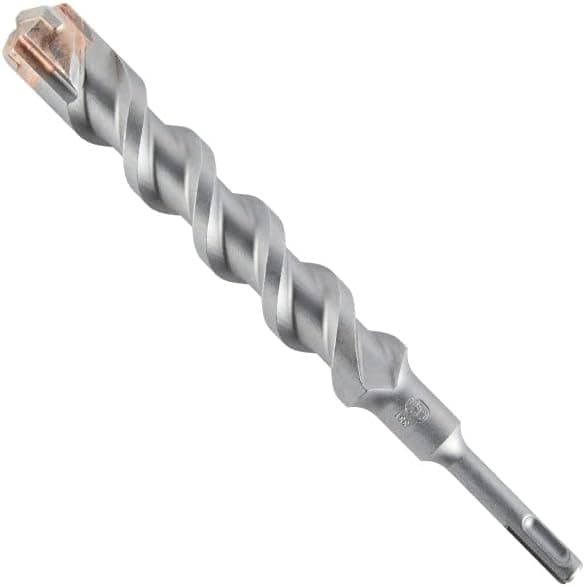
BoschHC4C2283
Das Bohren in Beton, Ziegel oder Stein ist nicht das gleiche wie das Bohren in Holz oder Trockenbau — es braucht das richtige Werkzeug, das richtige Bit, und ein gerechtes...
Testbericht lesenKategorie-Guide
Das Bohren in Beton, Ziegel oder Stein ist nicht das gleiche wie das Bohren in Holz oder Trockenbau — es braucht das richtige Werkzeug, das richtige Bit, und ein gerechtes...
Testbericht lesen
Für Auftragnehmer, die Befestigungen in Beton und Mauerwerk Tag in und Tag out installieren, sind 10 mm SDS-plus Bits ein Verbrauchsmaterial, das aus der Werkzeugtasche mit einer...
Testbericht lesen
Das Bohren eines 32-mm-Lochs durch Stahlbeton ist, wo Drehhammer-Bits ihren Halt verdienen oder ihre Schwächen offenbaren. Bei diesem Durchmesser wird das Bit durch einen großen...
Testbericht lesen
Bei der Verankerung von Baustahl, der Installation von schweren Maschinen oder der Verriegelung von Racking-Systemen, wird ein Standard-SDS-Plus-Bit nur so weit kommen. Sobald Sie...
Testbericht lesen
Aluminium mit dem falschen Sägeblatt zu schneiden ist eine Übung in Frustration am besten und gefährlich am schlimmsten. Ein Standardholzschneideblatt verstopft fast sofort, da...
Testbericht lesen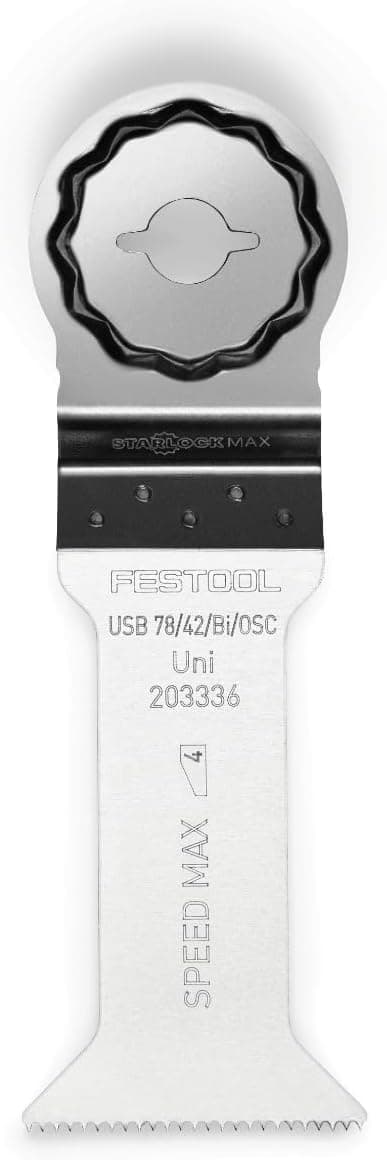
Es gibt einen Moment, den jeder Profi weiß: Sie sind auf halbem Weg durch einen Tauchgang in einen massiven Eichentürrahmen geschnitten, die Klinge ist bis in seine volle Tiefe...
Testbericht lesen
Einige Löcher müssen tief gehen. Wenn Sie sich in eine Betonfundamente verankern, die einen halben Meter dick ist, durch eine Haltewand bohren, um Drainage zu installieren oder...
Testbericht lesen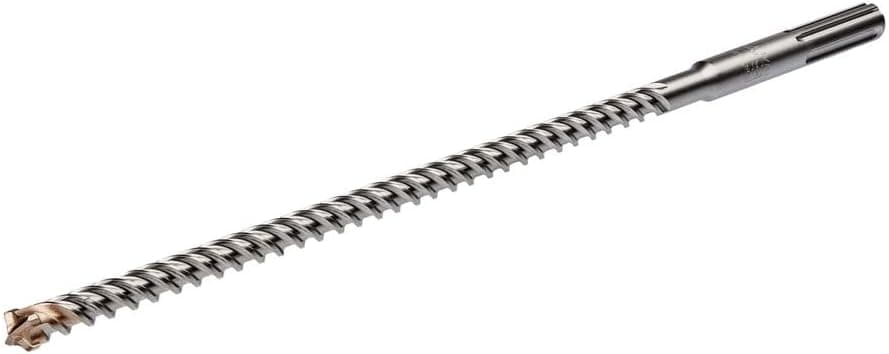
Die meisten in Mauerwerk gebohrten Löcher sind flach — 30 bis 80 Millimeter für einen Wandstecker, einen Ankerbolzen oder einen Rohrclip. Aber gelegentlich verlangt ein Job ein...
Testbericht lesen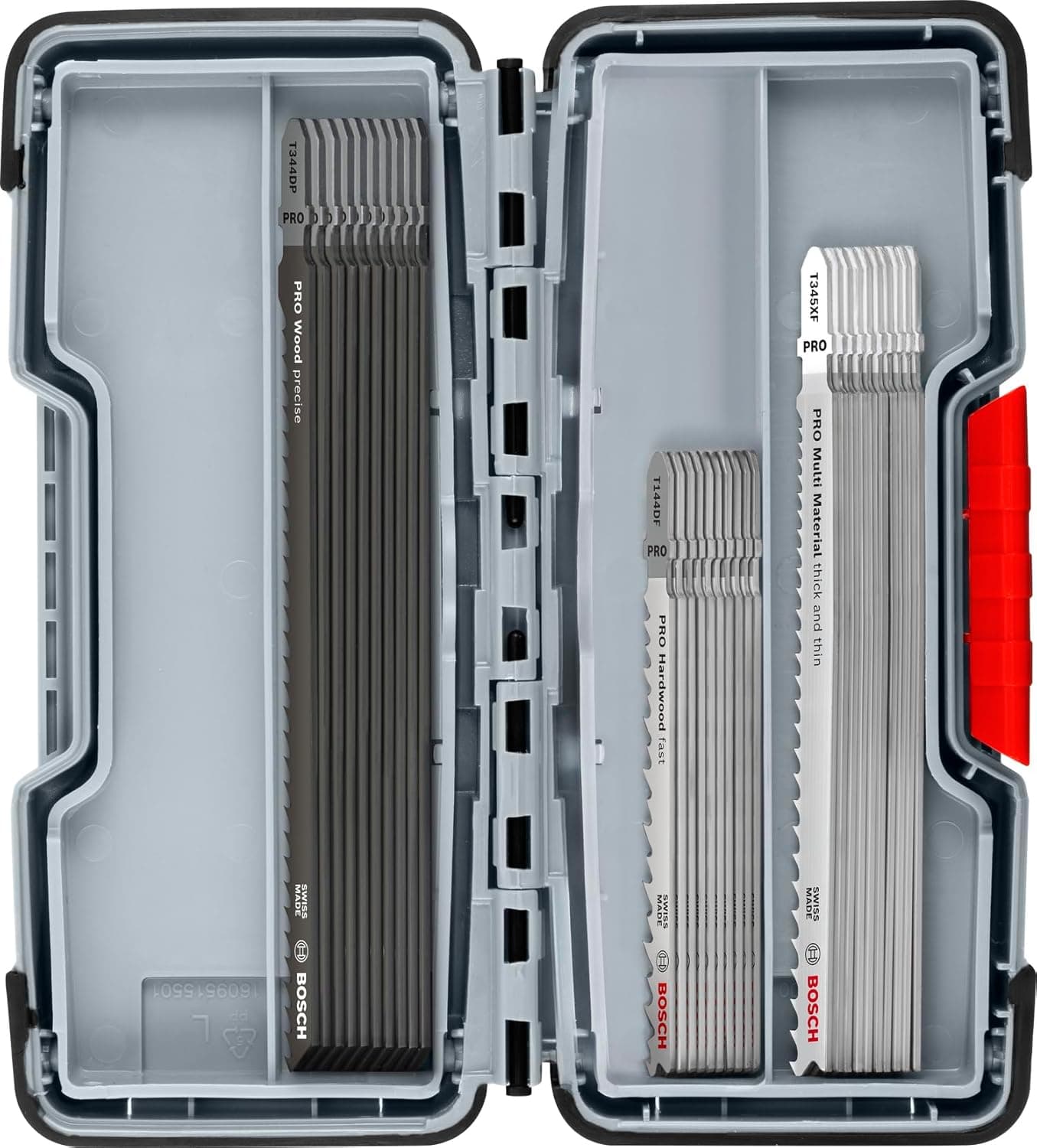
Eine Stichsäge ist nur so gut wie die Klinge, die Sie in sie passen. Die gleiche sah, dass kämpft und wandert durch ein Stück von Hartholz mit einer langweiligen, getragenen...
Testbericht lesen
Ein Winkelschleifer ist eines der vielseitigsten und leistungsfähigsten Werkzeuge in jeder Werkstatt, aber es ist auch eine der gefährlichsten, wenn nicht mit der richtigen...
Testbericht lesen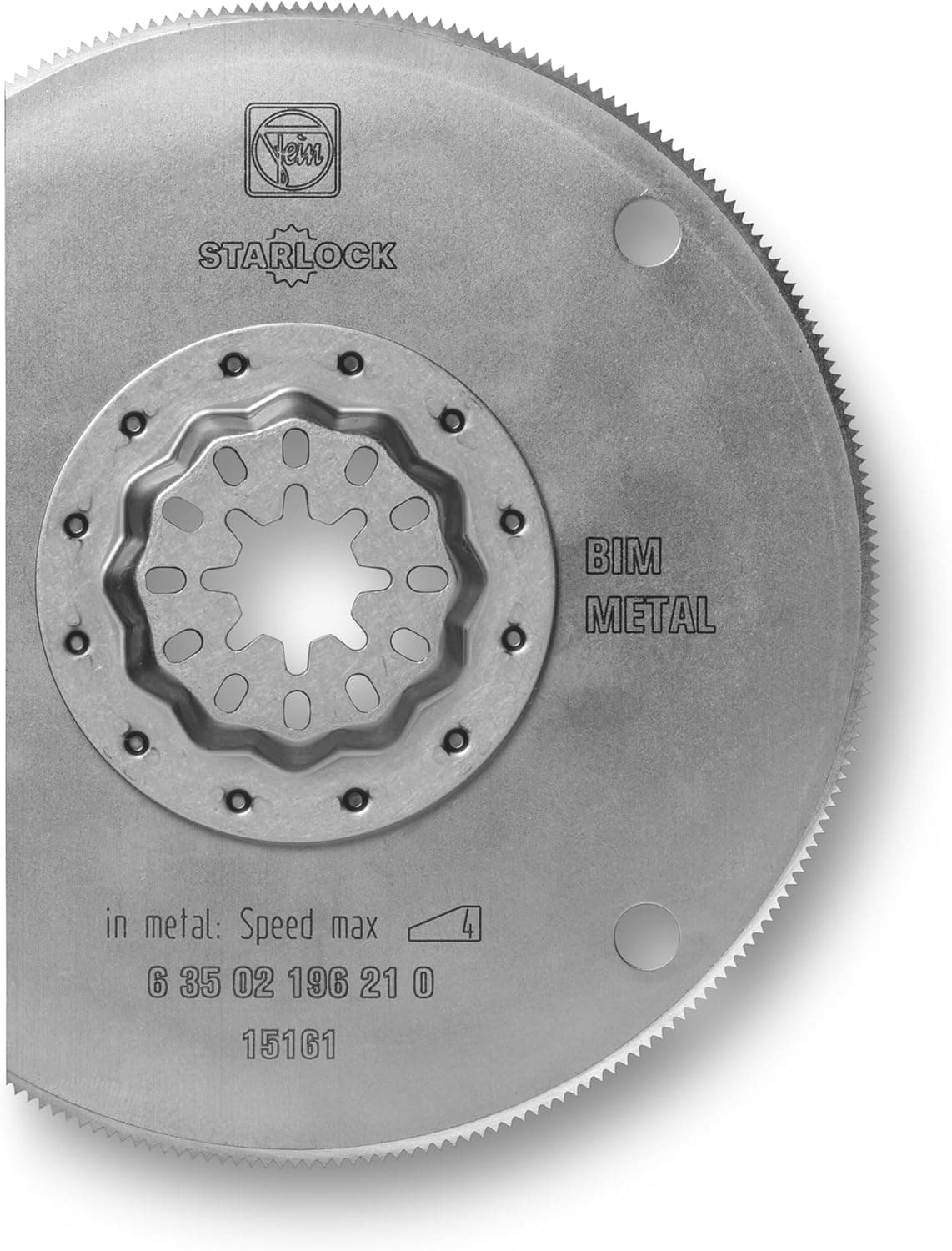
Egal, ob Sie ein Zimmer renovieren, Türrahmen für neue Bodenbeläge schneiden oder einen Abschnitt von beschädigtem Rohr in einer engen Ecke ausschneiden, Standardstromsägen können...
Testbericht lesen
Wenn ein Job zum Bohren eines 22 mm Loch mehr als einen halben Meter tief durch Stahlbeton fordert, sind Sie gut an dem Gebiet vorbei, wo ein Standard SDS-plus Drehhammer und Biss...
Testbericht lesen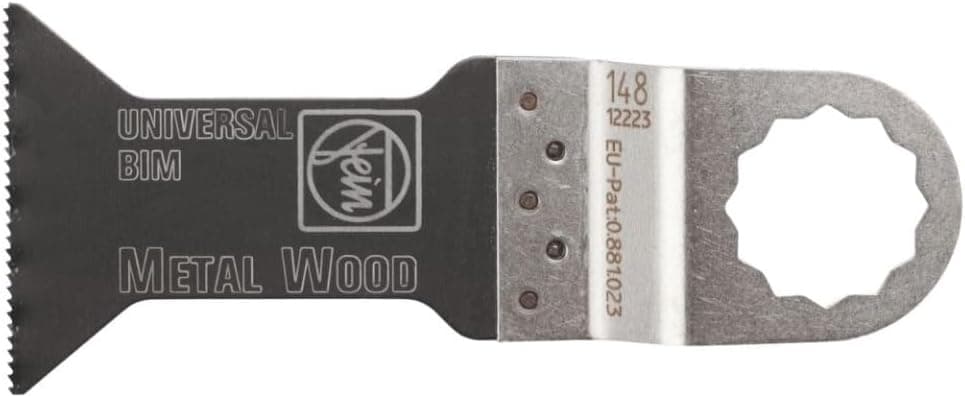
Das Schneiden in Wände, Bretter, Türrahmen oder Metallrohre in engen Räumen ist eine dieser Jobs, die einfach scheint, bis Sie es tatsächlich versuchen. Standardsägen können nicht...
Testbericht lesen
Zum Bohren von mittleren Durchmesser Löchern in Beton — Ankerbolzen für Strukturbefestigungen, Durchgangsbohrungen für Gewindestange und Durchbrüche für kleinere Rohre und...
Testbericht lesen
Wenn ein Standard-SDS-Plus-Drehhammer-Bit seine Durchmessergrenze erreicht - etwa 25 mm bis 28 mm im Beton - und die Aufgabe erfordert ein größeres Loch für Ankerbolzen,...
Testbericht lesen
Wenn ein Bauingenieur M12 oder M16 Ankerbolzen für eine kritische Verbindung - eine Stahlsäulenbasisplatte, ein Brückenlager, eine Kranschiene - angibt, muss das Loch tief in...
Testbericht lesen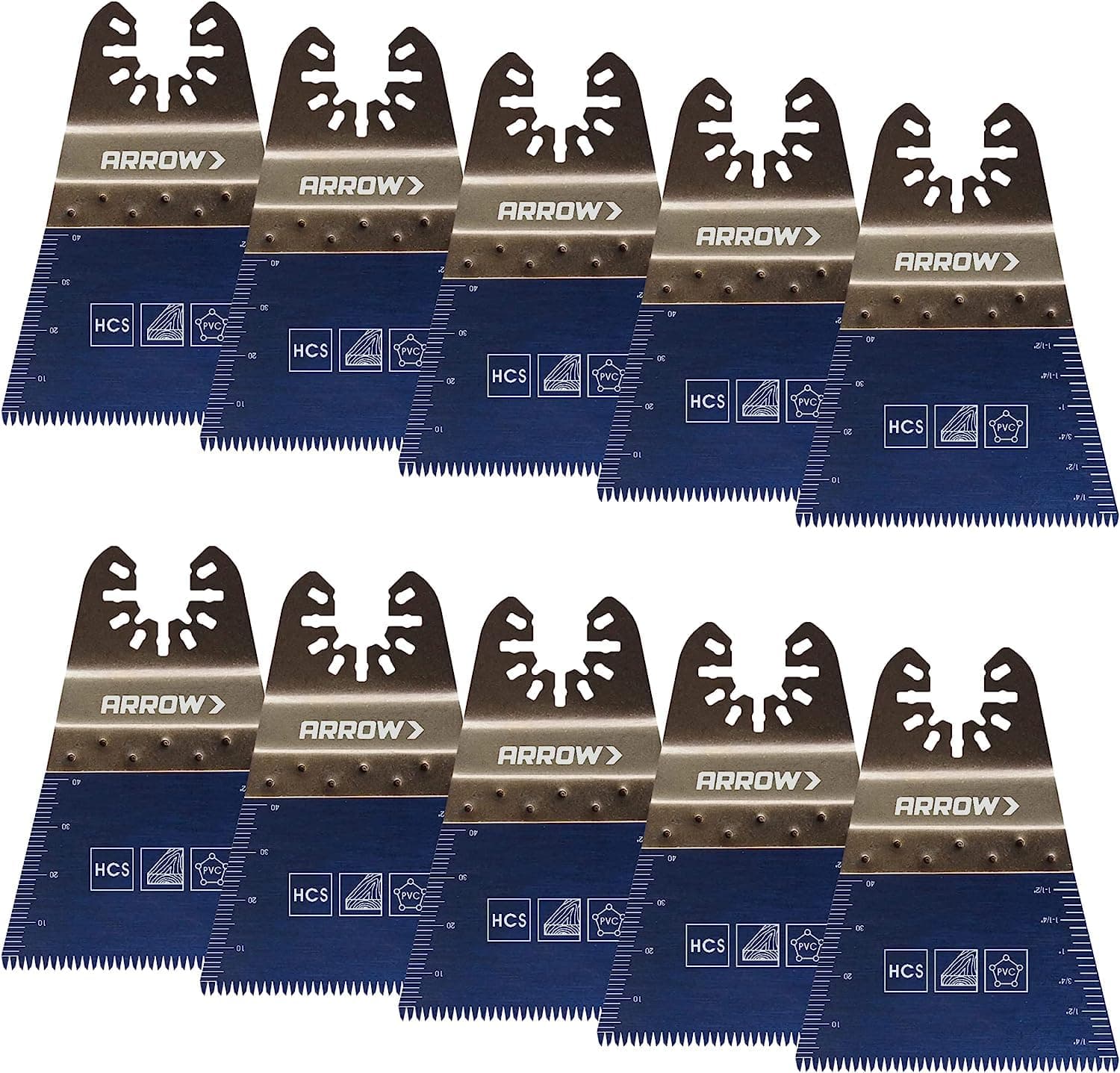
Ein Hausverbesserungsprojekt zu stapeln bedeutet oft, in enge Ecken zu schneiden, bündige Schnitte entlang Rocking-Boards zu machen, oder Beschneidung Türrahmen mit...
Testbericht lesen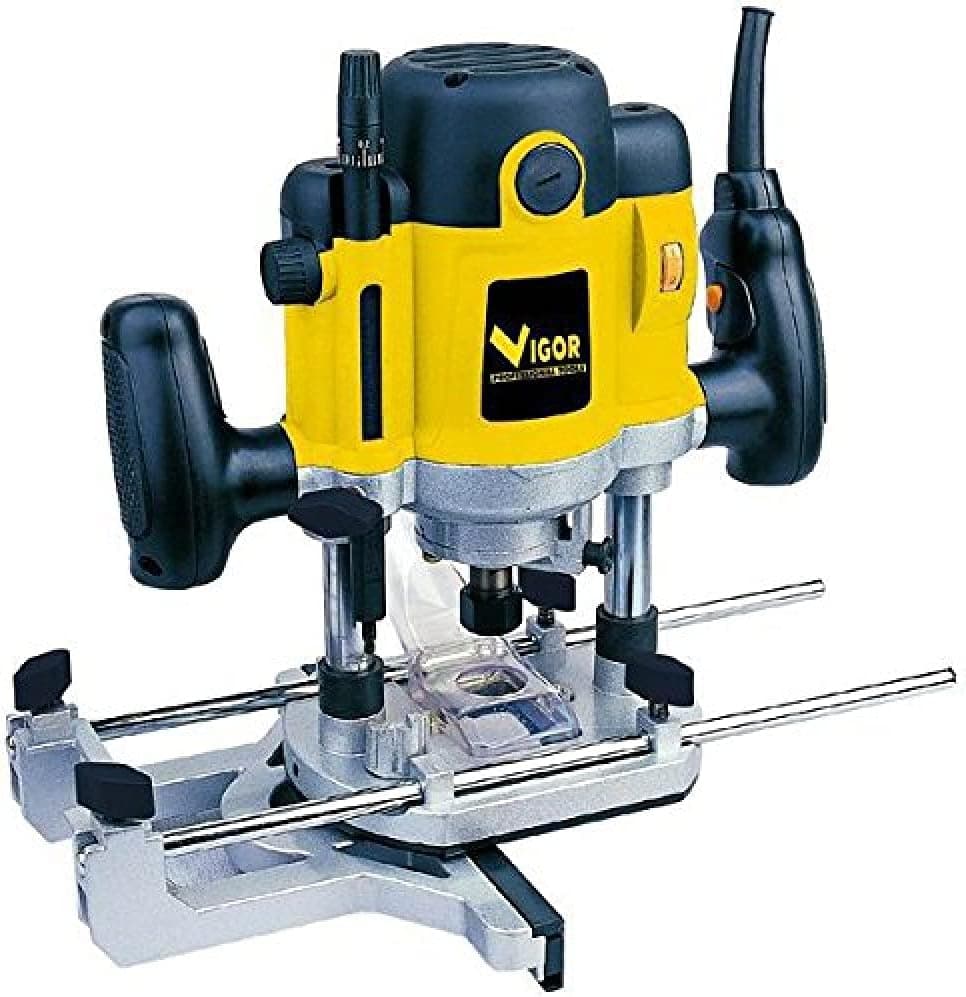
Ein Full-Size-Router ist eines der vielseitigsten Werkzeuge in jedem Holzarbeiter Arsenal. Im Gegensatz zu kleineren Palmroutern, die für Lichteinfassung und Beschneidung gebaut...
Testbericht lesen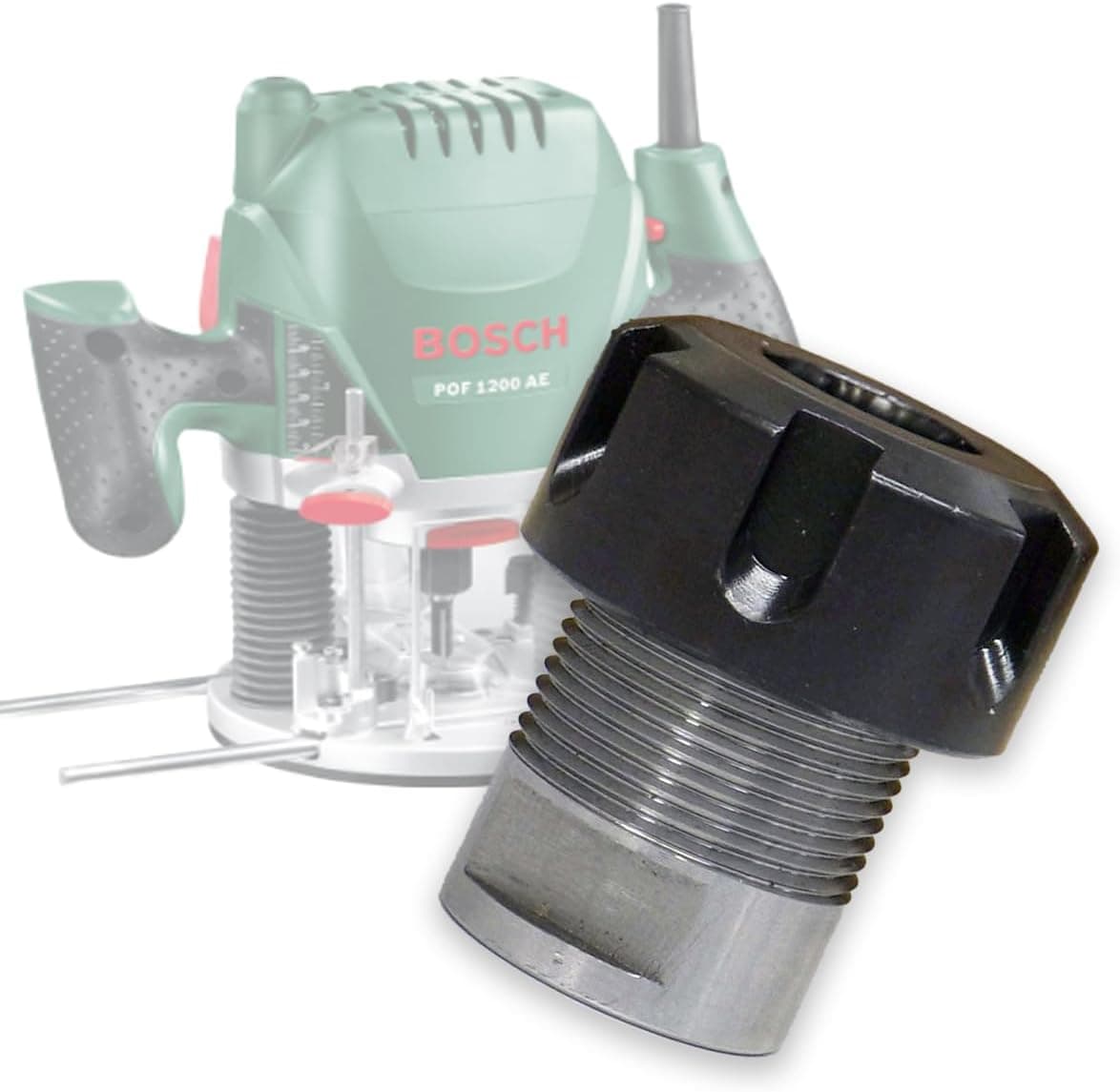
Ein Router ist ein vielseitiges Werkzeug, aber seine Vielseitigkeit ist letztlich durch das Collet begrenzt, mit dem es verschifft. Viele mittlere Router kommen mit einer festen...
Testbericht lesen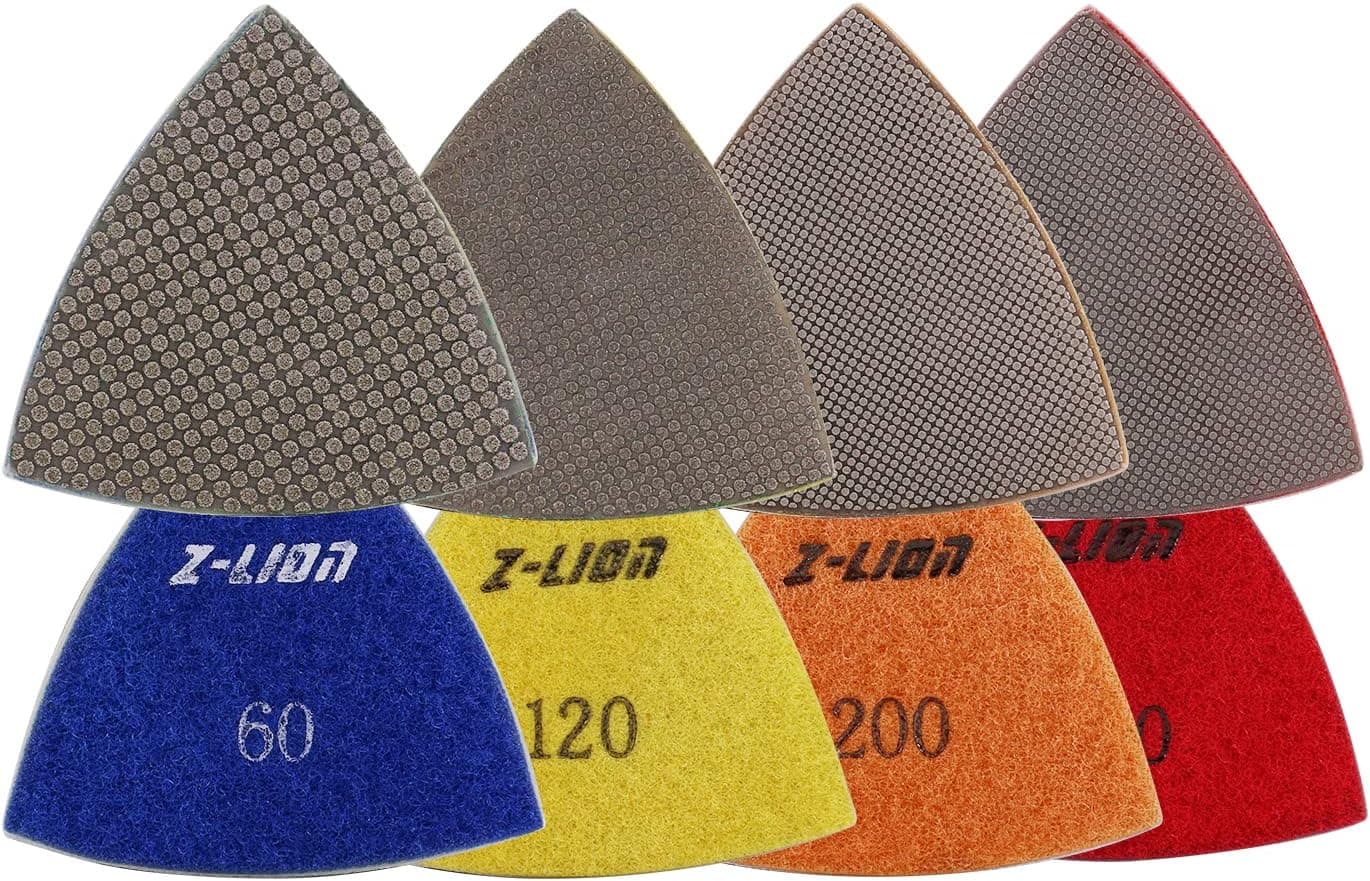
Bei Renovierungsprojekten lernen DIY-Enthusiasten und Händler schnell, dass nicht alle Oberflächen gleich angelegt werden. Standard Sandpapier funktioniert schön auf Holz und...
Testbericht lesen