

BoschM45015
Quando un bit SDS-plus standard raggiunge il suo limite di circa 16 o 20 mm di diametro, e il lavoro richiede un foro di 22 mm attraverso cemento armato — per un bullone di...
Leggi recensioneGuida categoria
Quando un bit SDS-plus standard raggiunge il suo limite di circa 16 o 20 mm di diametro, e il lavoro richiede un foro di 22 mm attraverso cemento armato — per un bullone di...
Leggi recensione
Quando è necessario perforare un foro 51 mm di diametro attraverso una parete di cemento solido, una punta di trapano standard non è un'opzione — le forze distruggerebbero il bit...
Leggi recensione
C'è un punto in cui SDS-Plus raggiunge il suo limite e il lavoro richiede il passaggio fino a SDS-Max. Quando si sta perforando 25 millimetri e fori più grandi per le ancore...
Leggi recensione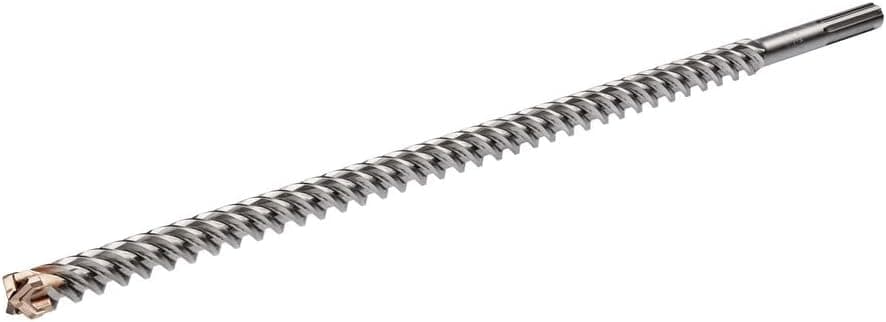
Quando i bit standard-lunghezza inferiore fuori prima che raggiungano il lato lontano di una parete di fondazione spessa, colonna strutturale, o costruzione di muratura...
Leggi recensione
Quando un bit SDS-max a due taglienti standard inizia a dull in cemento duro, il progresso rallenta, il bit corre caldo, e l'operatore compensa con più pressione — che accelera...
Leggi recensione
Quando un trapano standard SDS-Plus raggiunge il suo limite di diametro a circa 32 millimetri, e è necessario mettere un foro di 50, 65, o 80 millimetri attraverso una parete di...
Leggi recensione
La perforazione di un foro da 25 mm attraverso il cemento armato è uno dei compiti più comuni nel fissaggio strutturale — è il diametro standard per i bulloni di ancoraggio M20,...
Leggi recensione
Fori di perforazione di grande diametro attraverso cemento armato, muratura strutturale e aggregato duro non è un lavoro per punte di trapano standard. Quando il foro ha bisogno...
Leggi recensione
Quando il diametro del foro supera i 30 mm — oltre la portata di qualsiasi sistema SDS-plus — si è saldamente in territorio SDS-max. Un foro da 35 mm attraverso il cemento armato...
Leggi recensione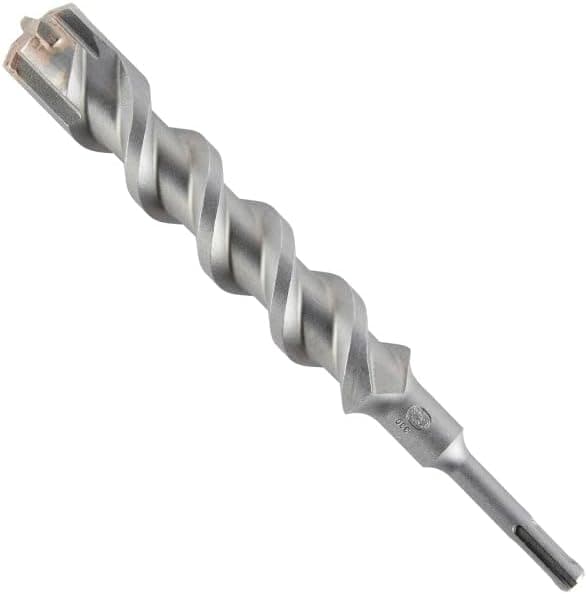
Quando avete bisogno di ancorare qualcosa di sostanziale per cemento — una colonna di acciaio strutturale, un plinto di macchinari pesanti, una barriera di sicurezza — il foro sta...
Leggi recensione
Quando un trapano SDS-plus standard supera i 16 mm circa e il lavoro richiede un foro pulito e dritto attraverso cemento armato per bulloni di ancoraggio, tasselli di barra, o...
Leggi recensione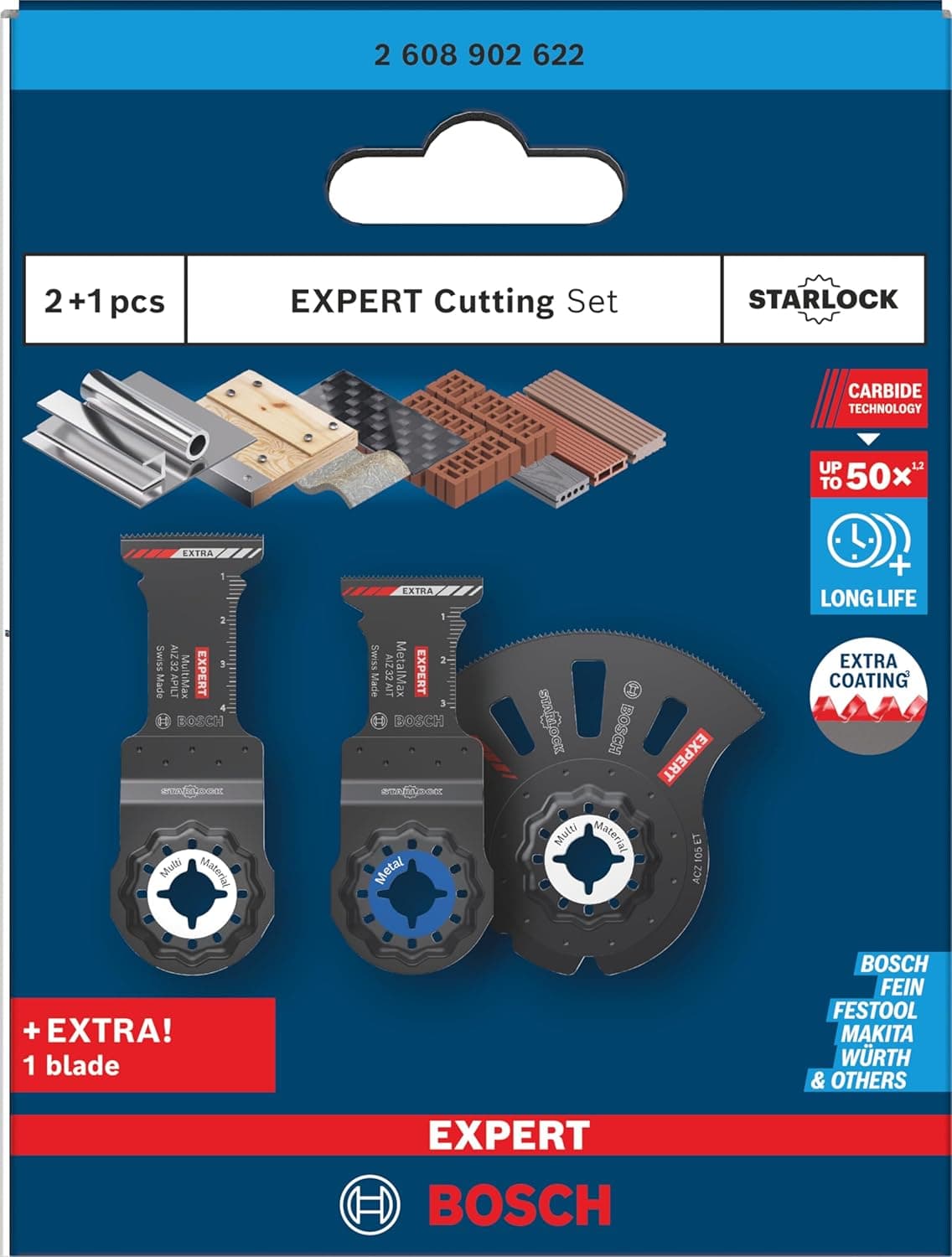
Un multi-tool oscillante è buono come la lama attaccata ad esso. Lo strumento stesso fornisce il motore e il movimento, ma la lama è ciò che effettivamente fa il lavoro —...
Leggi recensione
Un multi-tool oscillante è buono solo come la lama che si mette in esso. Lo strumento stesso fornisce il movimento — la rapida, oscillazione microscopica che rende queste macchine...
Leggi recensione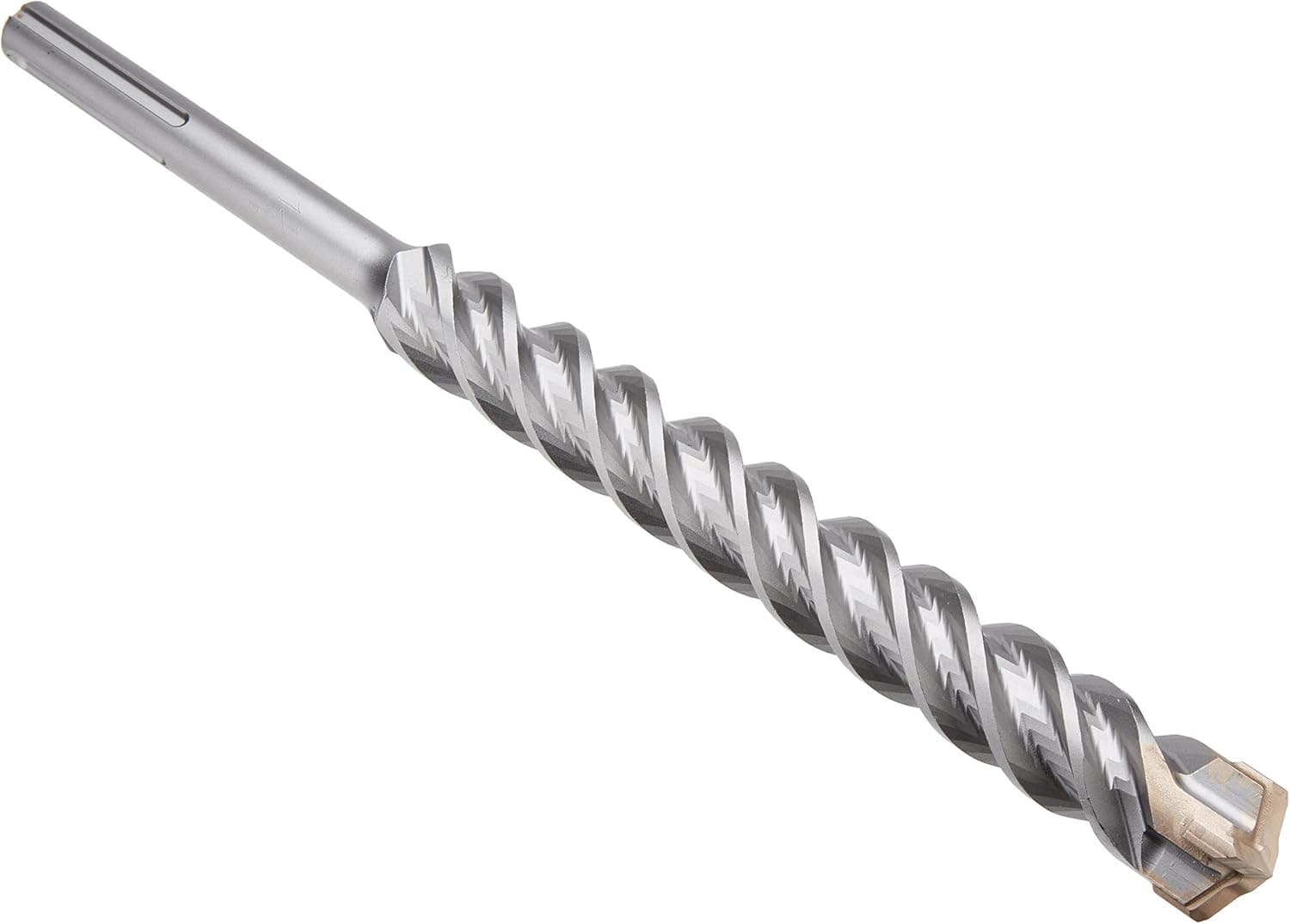
Quando il lavoro richiede di perforazione in cemento armato, pietra solida, o muratura densa, un bit di trapano standard semplicemente non farà. Hai bisogno di qualcosa costruito...
Leggi recensione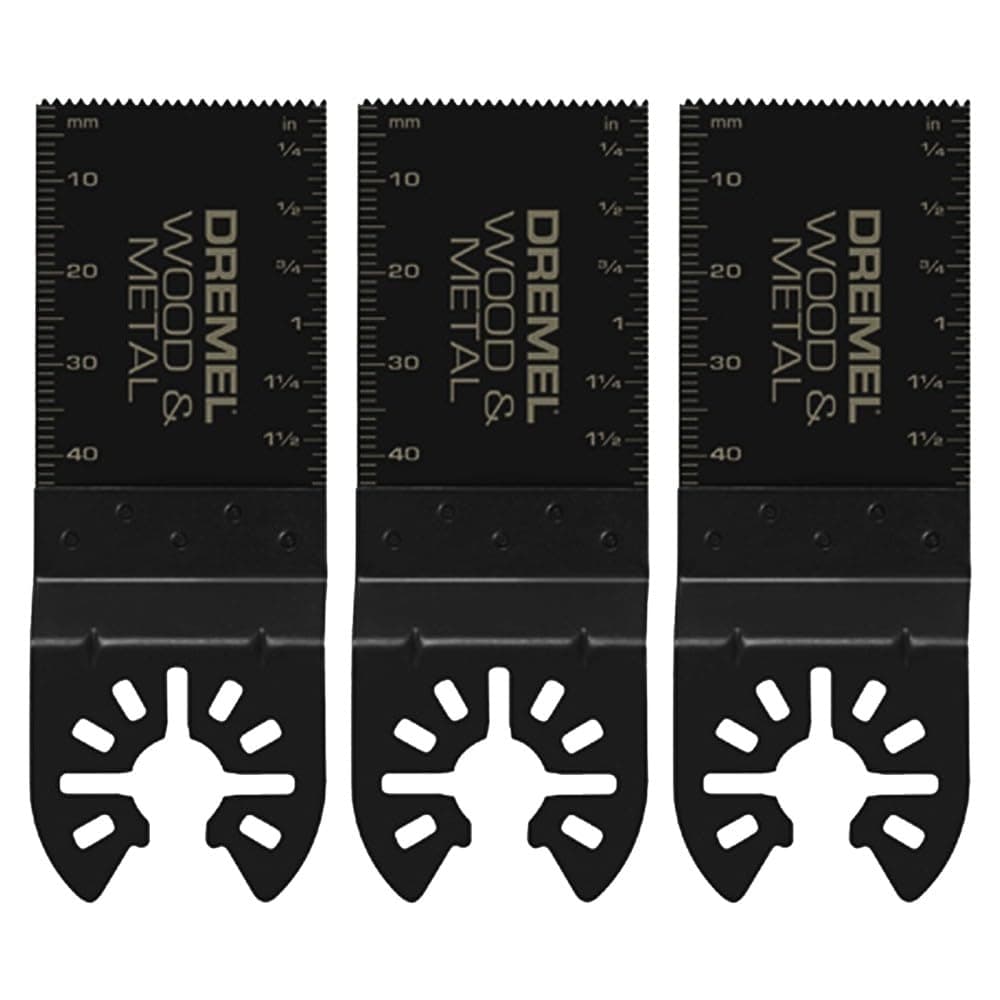
Quando siete nel mezzo di una ristrutturazione, installazione del pavimento, o progetto di lavorazione del legno dettagliato, una delle più grandi frustrazioni sta facendo tagli...
Leggi recensione
Quando la dimensione del foro supera i 40 mm in cemento strutturale, il bit diventa un pezzo serio di ingegneria. A questo diametro, il volume di materiale polverizzato per...
Leggi recensione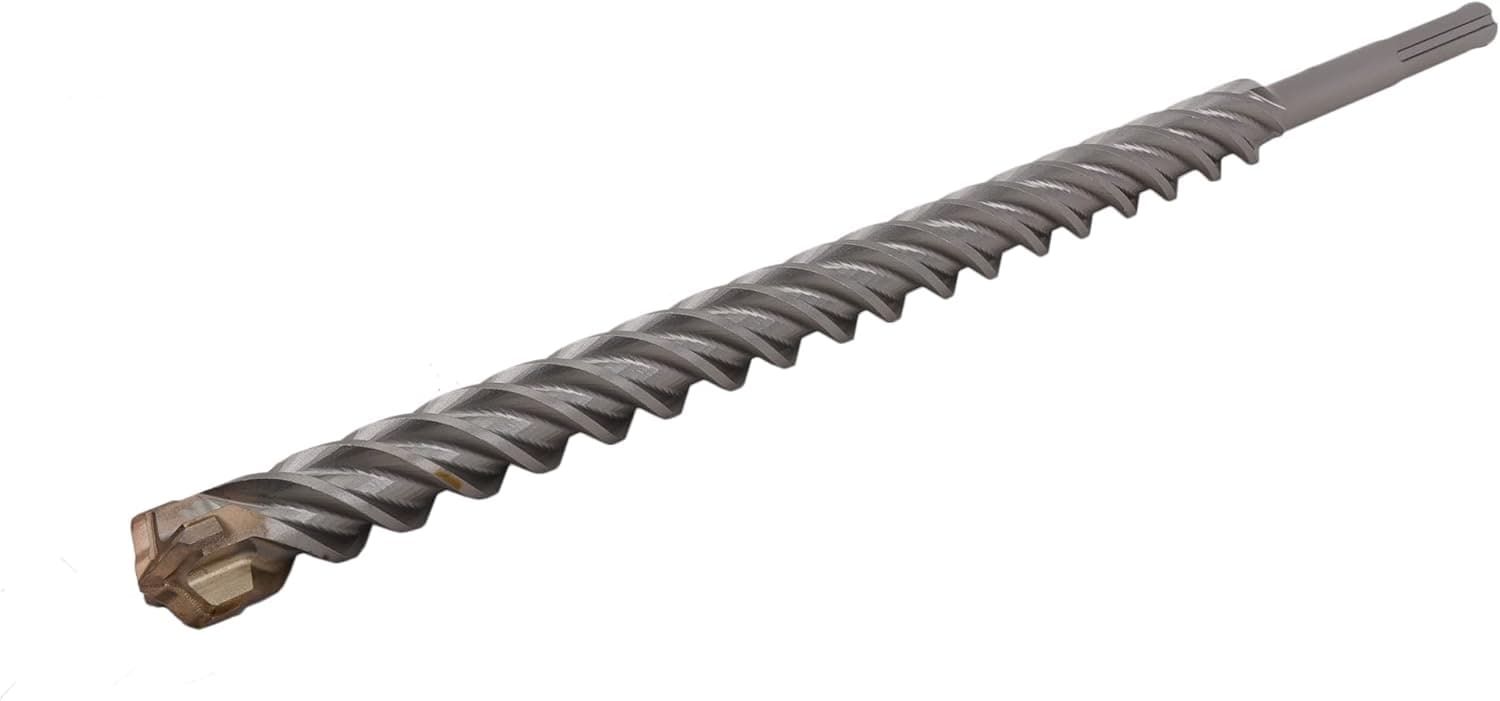
Alcuni fori di ancoraggio devono andare in profondità — attraverso lastre di fondazione spesse, sotto strati multipli di massetto e isolamento, o attraverso travi strutturali dove...
Leggi recensione
Fori di perforazione di grande diametro attraverso cemento armato, mattone, o blocco è uno dei compiti più esigenti un martello rotante facce. Le punte di trapano di torsione...
Leggi recensione
Non tutti i fori in cemento armato richiedono una testa in carburo a quattro taglienti con geometria di taglio a barra avanzata. Per molte applicazioni di fissaggio professionali...
Leggi recensione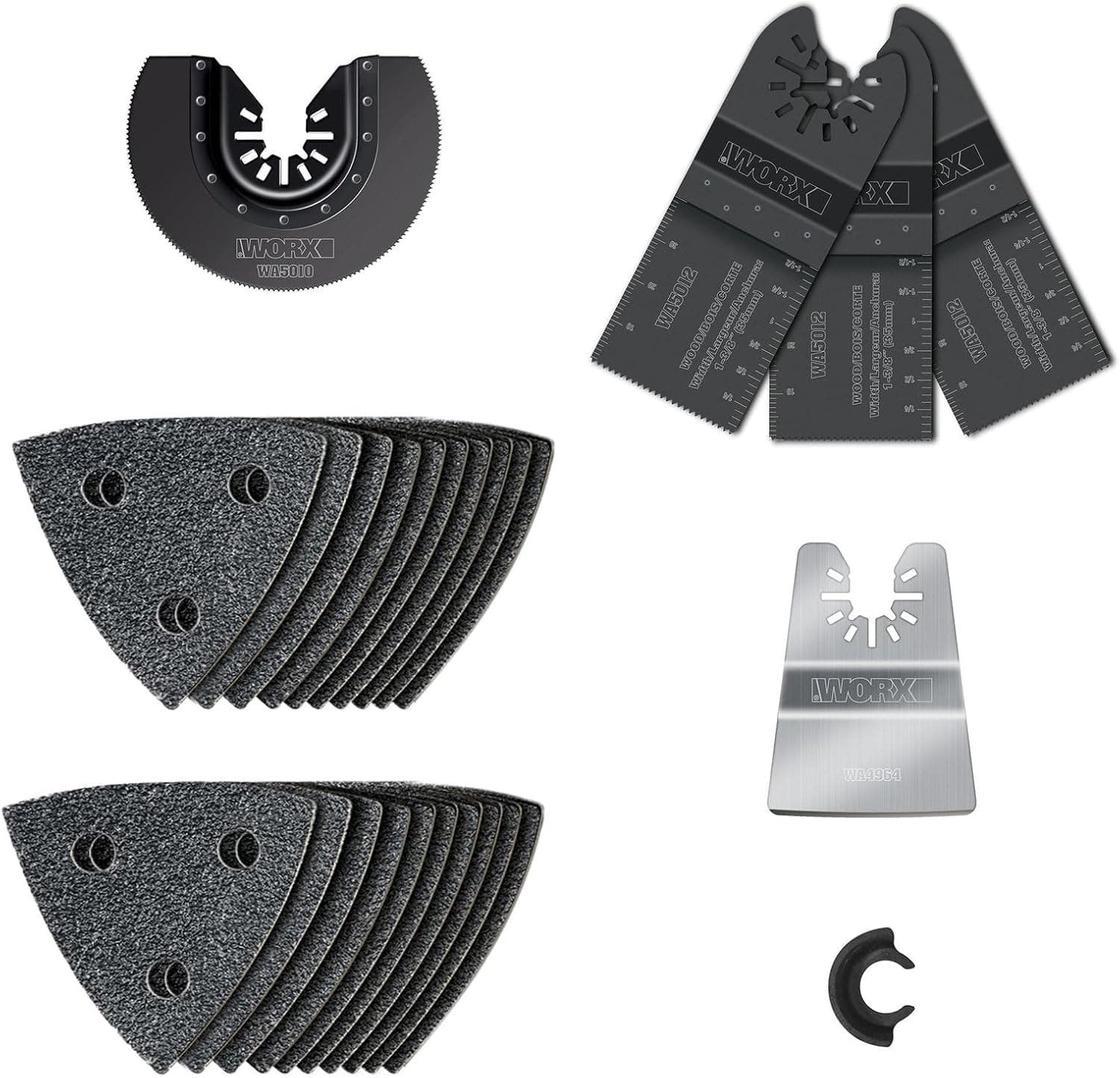
Se state ristrutturando una stanza, montando nuovi battiscopa, o affrontando una serie di riparazioni intorno alla casa, c'è uno strumento che continua a dimostrare il suo valore...
Leggi recensione